



Air Forces News
Electronic Systems


BREAKING NEWS
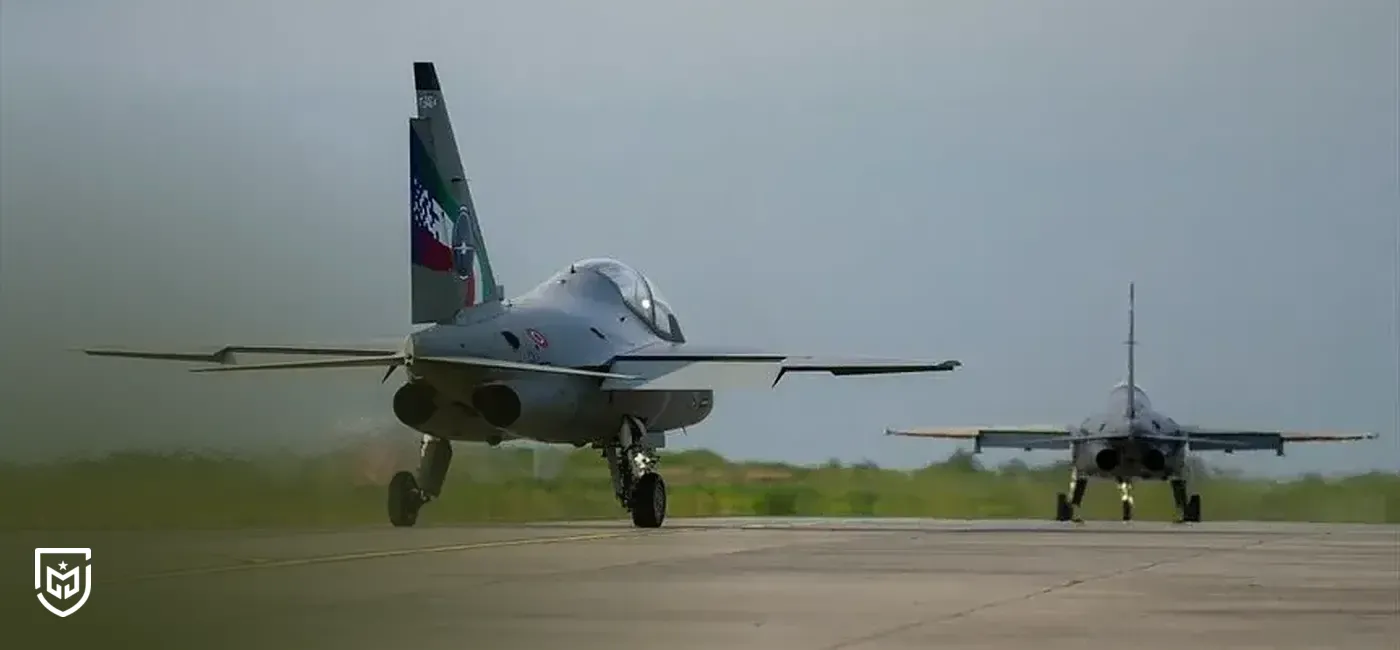
According to a joint statement by Baykar and Leonardo, a flight campaign conducted at Baykar's flight and test center in Çorlu demonstrated advanced algorithms, tactics, and procedures for manned-unmanned aircraft interoperability. The campaign involved Leonardo's M-346 jet trainer and T-346A light attack aircraft alongside Baykar's Kızılelma platform. During testing, Kızılelma completed autonomous taxi and takeoff, then joined formation with the M-346. Following pilot commands, the unmanned aircraft successfully executed various formation changes, position adjustments, separation, and rejoin maneuvers. An Italian Air Force T-346A aircraft served as the chase plane throughout the campaign.
Leonardo, a multinational defense and aerospace company headquartered in Italy, has been a pioneer in manned-unmanned system integration since the 1990s. The company leads globally in radar, communications, cybersecurity, and real-time monitoring systems. The M-346 and T-346A aircraft are NATO-standard platforms designed for training and light attack missions, currently operated by numerous air forces worldwide. Leonardo's data-sharing and cybersecurity systems provided secure communication between the two distinct platforms during the test campaign.
The joint flight test highlighted Kızılelma's autonomous capabilities and artificial intelligence-driven decision-making. The unmanned aircraft processed pilot commands in real time, maintaining precise positional control within the formation. Such tests demonstrate how manned-unmanned teamwork will function in next-generation air combat systems. Data exchange was secured through Leonardo's real-time monitoring and cybersecurity protection systems. This integration underscores the critical importance of secure communications in operational environments.
The K-SWARM program aims to develop capabilities enabling manned and unmanned platforms to conduct joint missions. Globally, NATO and allied nations are pursuing similar programs in manned-unmanned system integration. For example, the U.S. Air Force's MQ-9 Reaper program and various European manned-unmanned teaming (MUM-T) initiatives demonstrate progress in this field. Baykar's Kızılelma platform offers Turkish defense industry the opportunity to develop this critical capability domestically. Data collected during the campaign will inform the roadmap for future tests incorporating higher situational awareness and more complex mission scenarios.
Advances in artificial intelligence, autonomy, and cooperative mission algorithms will reduce pilot workload while enhancing mission effectiveness. Manned-unmanned teamwork will play a critical role in future air combat systems. The partnership between Baykar and Leonardo exemplifies successful international technology transfer and collaborative development for Turkish defense industry. The project represents a significant step in advancing indigenous capabilities and research-and-development capacity. Future testing phases are planned to include more complex mission scenarios and multi-platform operations.


The cookies used on our website are used to provide you with a better user experience and to improve our website. You can manage your cookie preferences from the options below.
 Tolga Demirel
Post Comment
Comments
No comments yet.
Related News
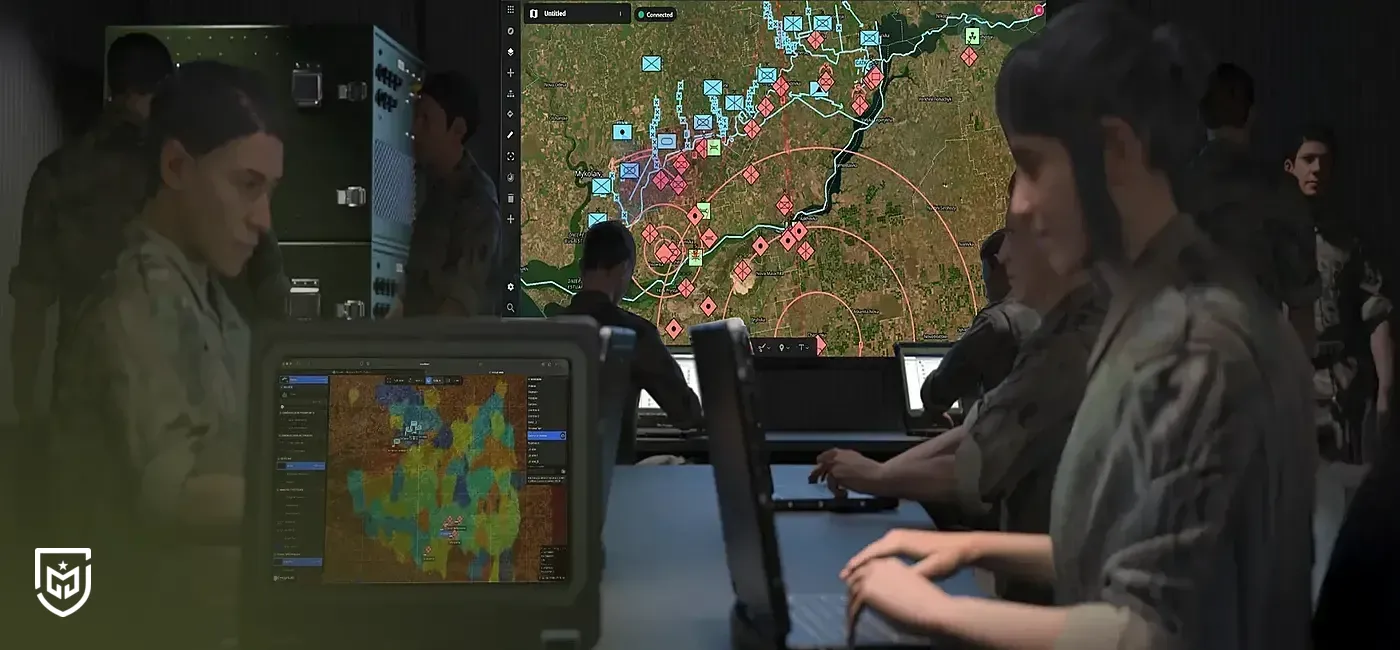
Thales Introduces HexaForce AI-Powered Command and Control System to Gulf Region
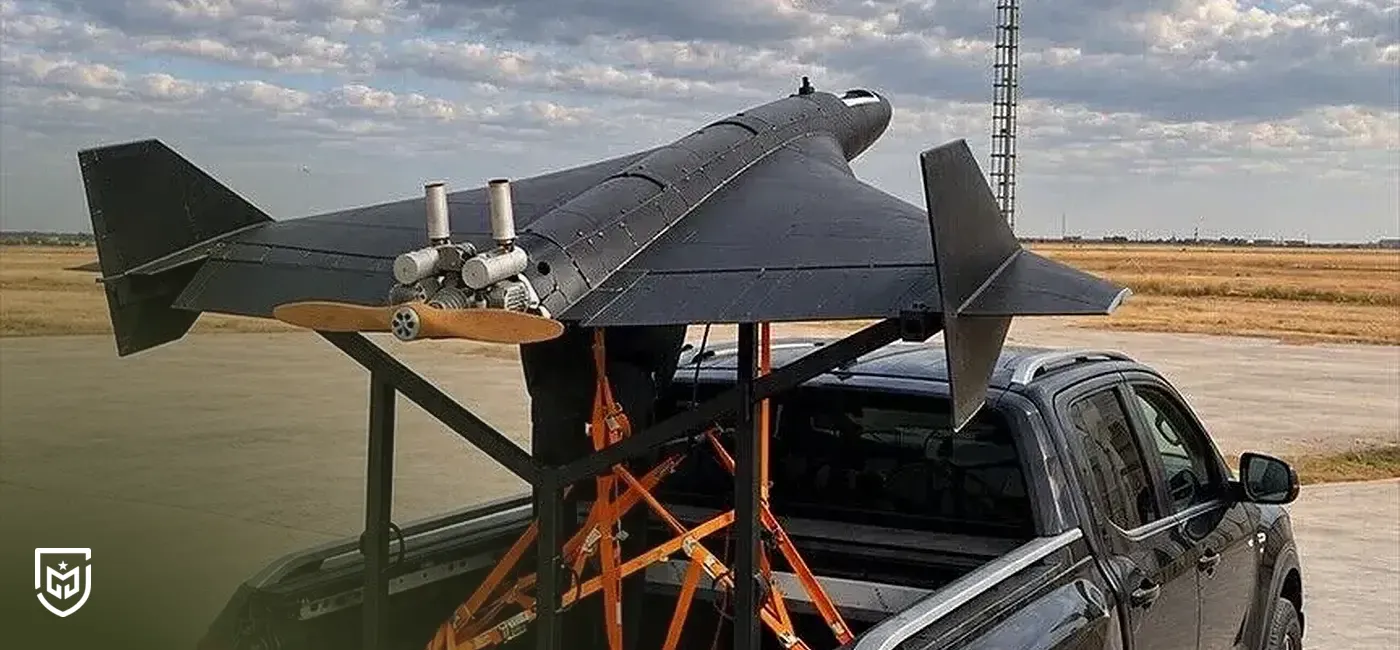
ÇEPNI Tactical UAV Family Enters Operational Service
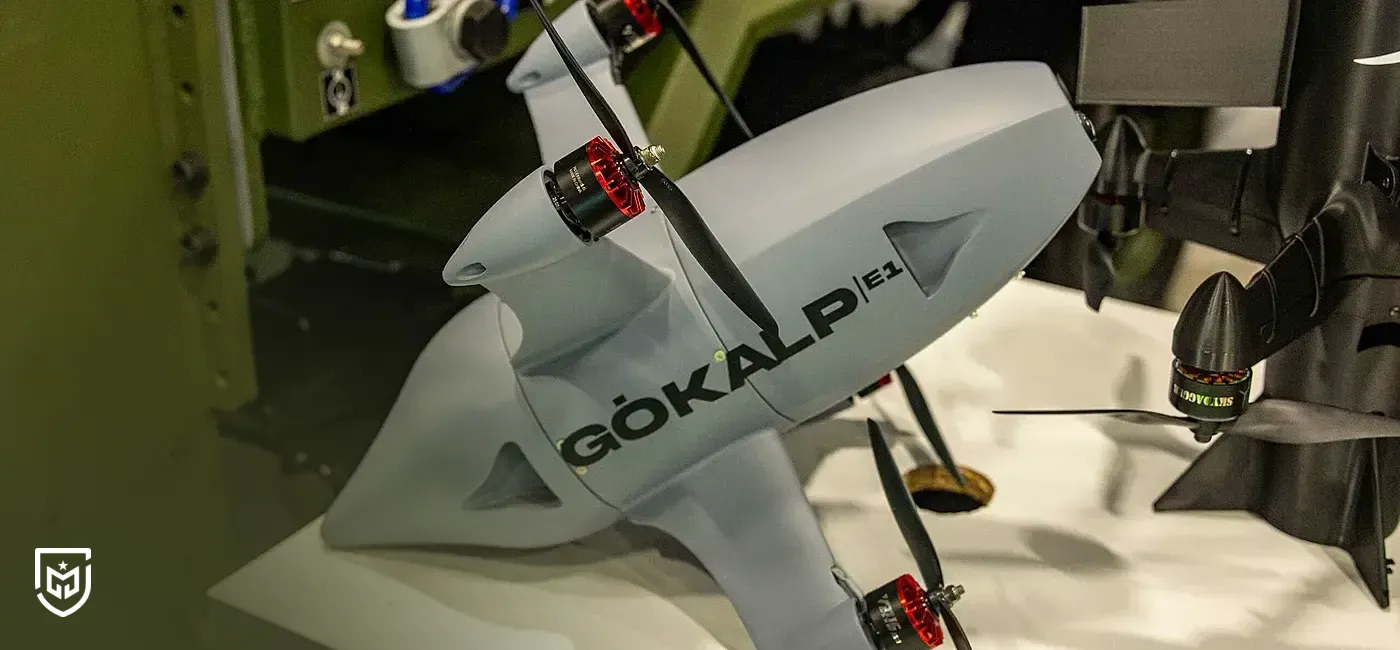
ASELSAN's Drone-Hunting System Completes Successful Demonstration
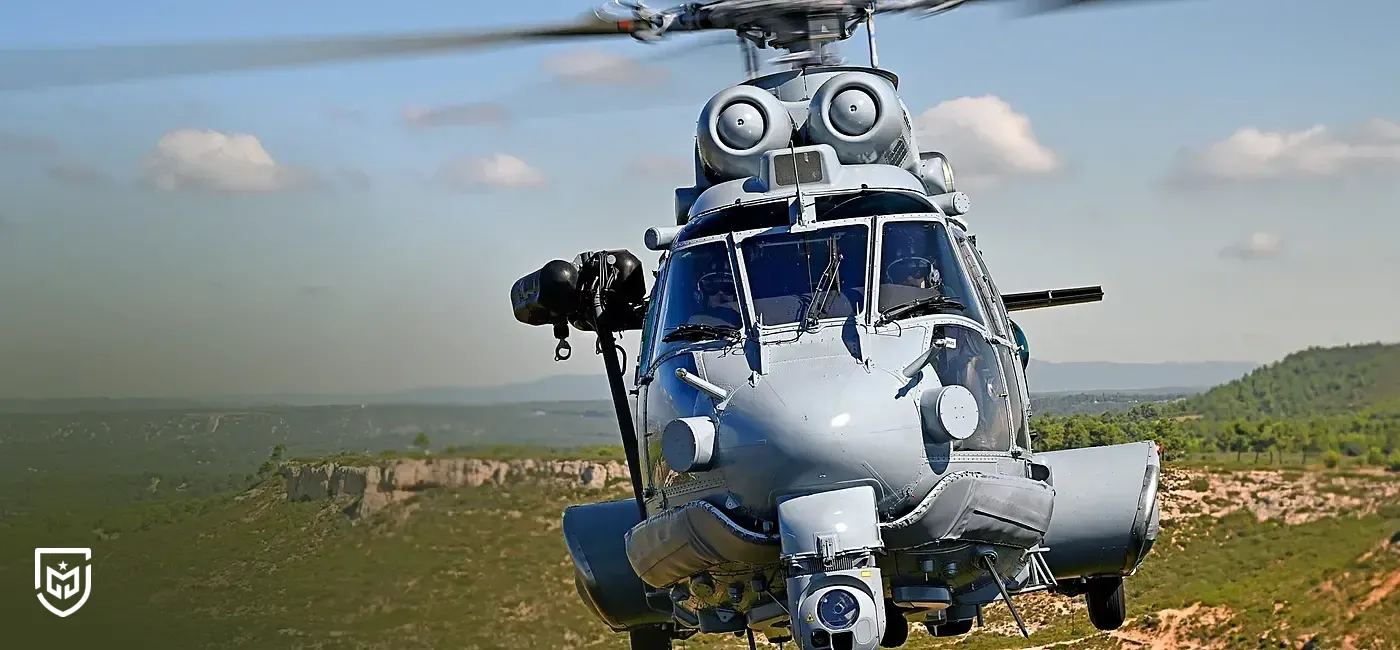
Romania Signs Contract for Airbus H225M Helicopter Procurement
ASELSAN's GÖKALP drone defense system completes successful demonstration
SSB Chief Görgün Warns Against Open Source Intelligence Risks
SSB Chief: Localization in Defense Projects Starts from Design Phase
AKINCI UAV Successfully Tested with MORFOZ Guidance Kit