


Missiles and Rockets
Electronic Systems


BREAKING NEWS
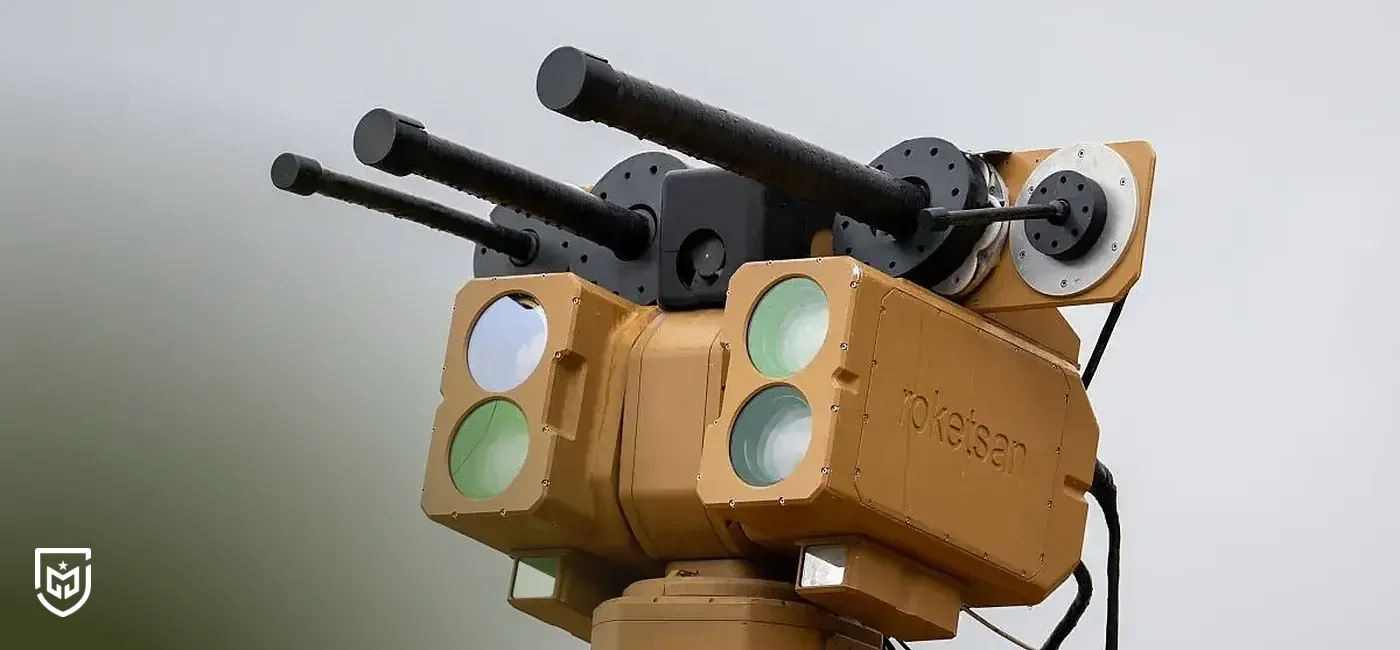
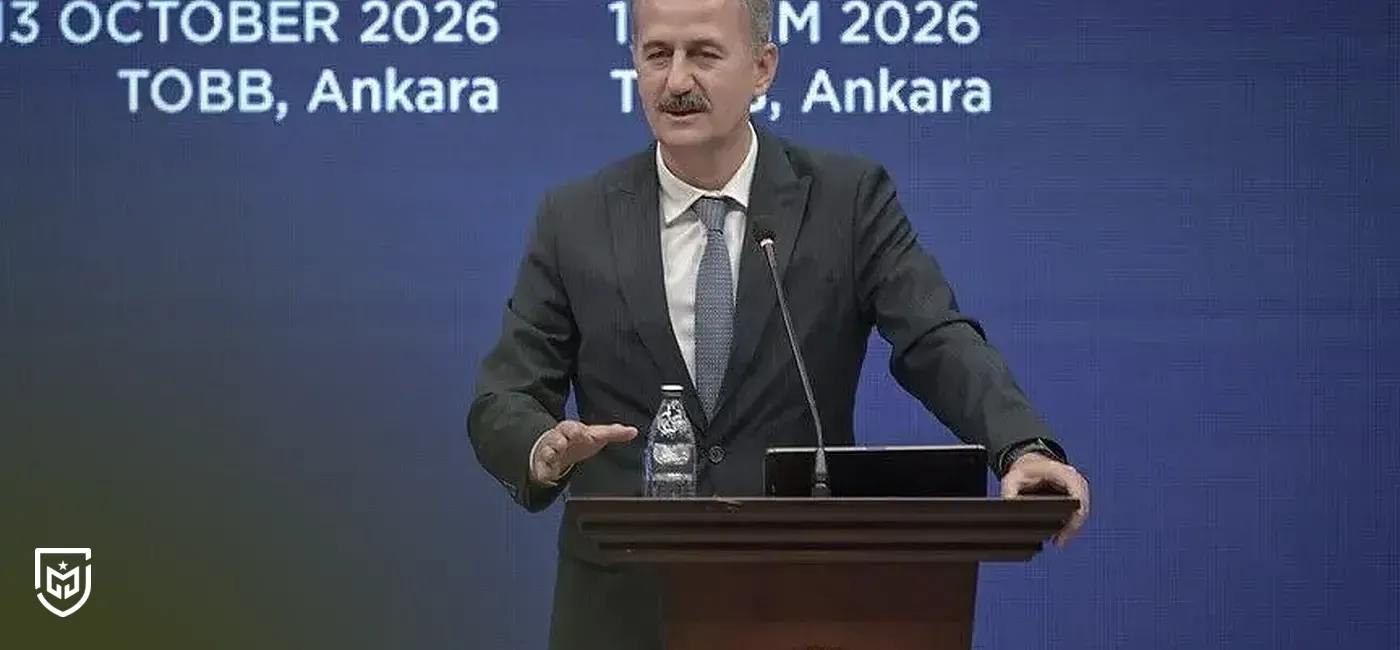
Roketsan is positioning its Alka laser weapon system as a critical component of Türkiye's multilayered air defense architecture. Koray Dayanç, director of weapons and integration at Roketsan, stated that Alka will form the laser layer of the "Steel Dome" system and provide a final line of defense against unmanned aerial vehicles that evade other air defense assets. NATO member Türkiye has significantly increased defense industry production in recent years and reduced dependence on external suppliers. The country first announced plans to build the Steel Dome in July 2024. This architecture is designed to integrate missile systems, radar, electronic warfare assets and directed-energy weapons into a unified network. The system aims to provide integrated protection against low, medium and high-altitude threats through land-based and sea-based air defense platforms and sensors developed domestically.
Dayanç explained that directed-energy weapon system development efforts began in 2018-2019, with the Alka system commencing production and deliveries after winning a competition organized by the Presidency of Defense Industries (SSB). The system was developed to protect critical facilities within the country and safeguard operational units against swarm kamikaze drone threats. Initially designed with a 2.5-kilowatt capacity, the system was subsequently upgraded to 10 kilowatts and beyond. Dayanç emphasized that unmanned aerial vehicle threats have become faster and more sophisticated over time, evolving from conventional radio-controlled systems to wired variants resistant to electronic jamming.
The Alka system has evolved alongside emerging threats and is now capable of performing both soft-kill and hard-kill operations. Soft-kill measures disrupt or disable targets electronically, while hard-kill systems physically destroy them. The 10-kilowatt version is operationally deployed, with development continuing as new unmanned aerial vehicle threats emerge. Roketsan has implemented updates to reduce radar detection and identification times and is working on transitioning to newer radar technology to detect more targets. The company has integrated artificial intelligence into the Alka system and its command-and-control architecture to reduce response times during large-scale drone attacks, enabling operators to identify and prioritize targets more rapidly.
The Alka laser system is designed to protect critical infrastructure, military bases and mobile units against unmanned aerial vehicle threats that may penetrate other layers of the air defense system. Militaries worldwide are increasingly turning to directed-energy weapons as they seek more cost-effective solutions to counter growing drone usage. Dayanç noted that similar systems and capabilities are being developed globally. Roketsan is advancing efforts to address future requirements of the Turkish Armed Forces based on feedback received regarding Alka and operational experience. Efforts to increase the laser weapon's energy capacity are ongoing.


The cookies used on our website are used to provide you with a better user experience and to improve our website. You can manage your cookie preferences from the options below.
 Murat Yılmaz
Post Comment
Comments
No comments yet.
Related News
Skyfall II Exercise: U.S. Army Demonstrates UAV Defense Capabilities in Germany
IDA Turkey 2026 Defense and Aviation Industrial Cooperation Days Launched
SSB Chief: Transparent Licensing Will Strengthen Defense Cooperation
STM's Swarm UAV System Demonstrates Operational Success at Ateş Serbest-2026
ÇAKIR Cruise Missile Supply Contract Signed
Drone Shield Showcased at Marksman Competition
Fire Free-2026 Exercise Successfully Completed
Görgün: Turkish-German defense partnership to be revitalized with new vision