BREAKING NEWS
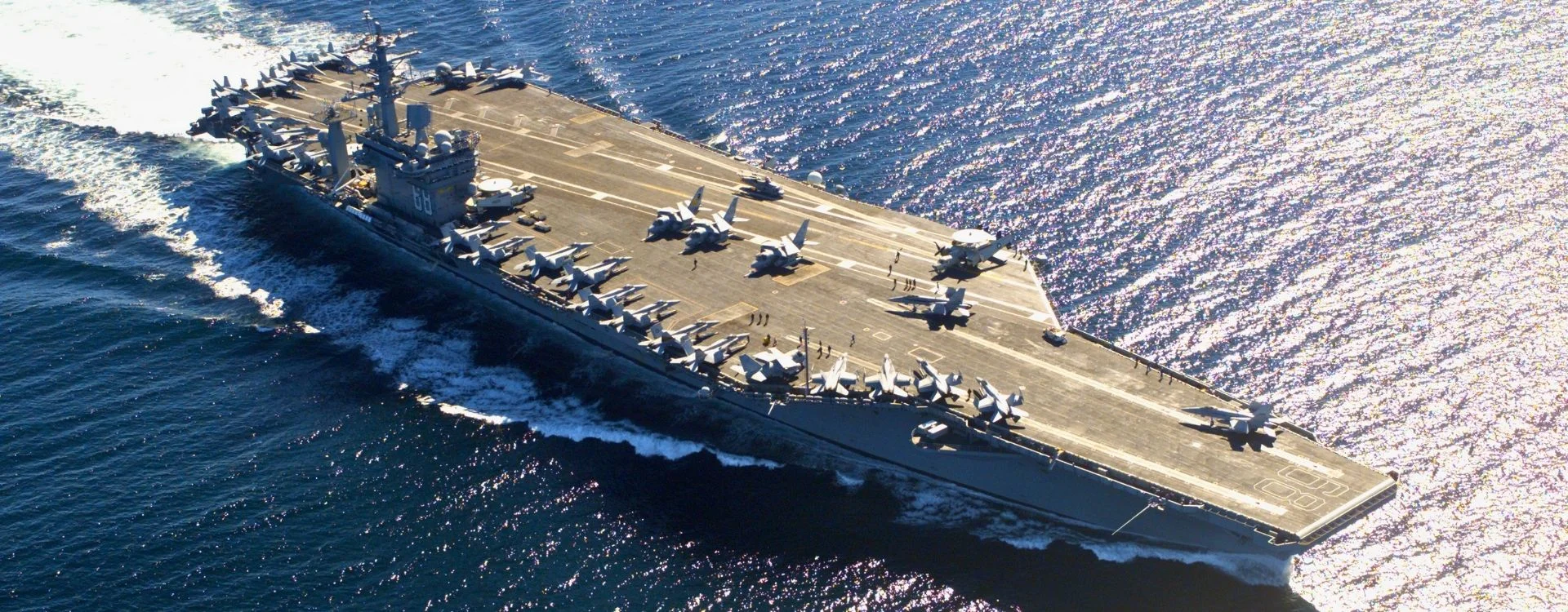
Strategic depth refers to a state’s ability to build long-term power not only through military strength, but also by leveraging its geographical position, historical legacy, cultural ties, and political spheres of influence. Within this framework, developments beyond national borders are viewed as natural extensions of a country’s security and interest areas. In modern international relations, strategic depth represents a statecraft approach that focuses not merely on reacting to crises, but on anticipating, shaping, and managing them proactively.
From a more technical perspective, strategic depth is closely linked to geopolitical positioning, multidimensional foreign policy, military deterrence, and diplomatic maneuverability. Control of land, sea, and air domains—along with energy corridors, trade networks, and regional alliances—constitutes the core elements of this depth. In the context of Türkiye, the concept gained wider visibility in academic and political discourse particularly through the book Strategic Depth, which emphasized transforming historical and cultural ties with surrounding regions into foreign policy advantages. Today, strategic depth has evolved beyond a purely military concept, encompassing economic influence, soft power, perception management, and regional leadership, making it a comprehensive strategy for sustainable geopolitical influence.


The cookies used on our website are used to provide you with a better user experience and to improve our website. You can manage your cookie preferences from the options below.







 Rabia Kılıç