BREAKING NEWS

Frequency management in electronic warfare plays a critical role in controlling and protecting information within the modern battlespace. Today, the battlefield is no longer limited to land, air, or sea domains; the electromagnetic spectrum itself has become an active area of conflict. Electronic warfare aims to secure friendly communications while restricting the enemy’s ability to detect, communicate, and coordinate. At this point, frequency management emerges as a fundamental discipline that prevents interference between radars, communication systems, and data links, ensuring uninterrupted operational capability. A well-planned frequency structure allows units in the field to maintain continuous communication while also forming a protective shield against hostile electronic attacks.
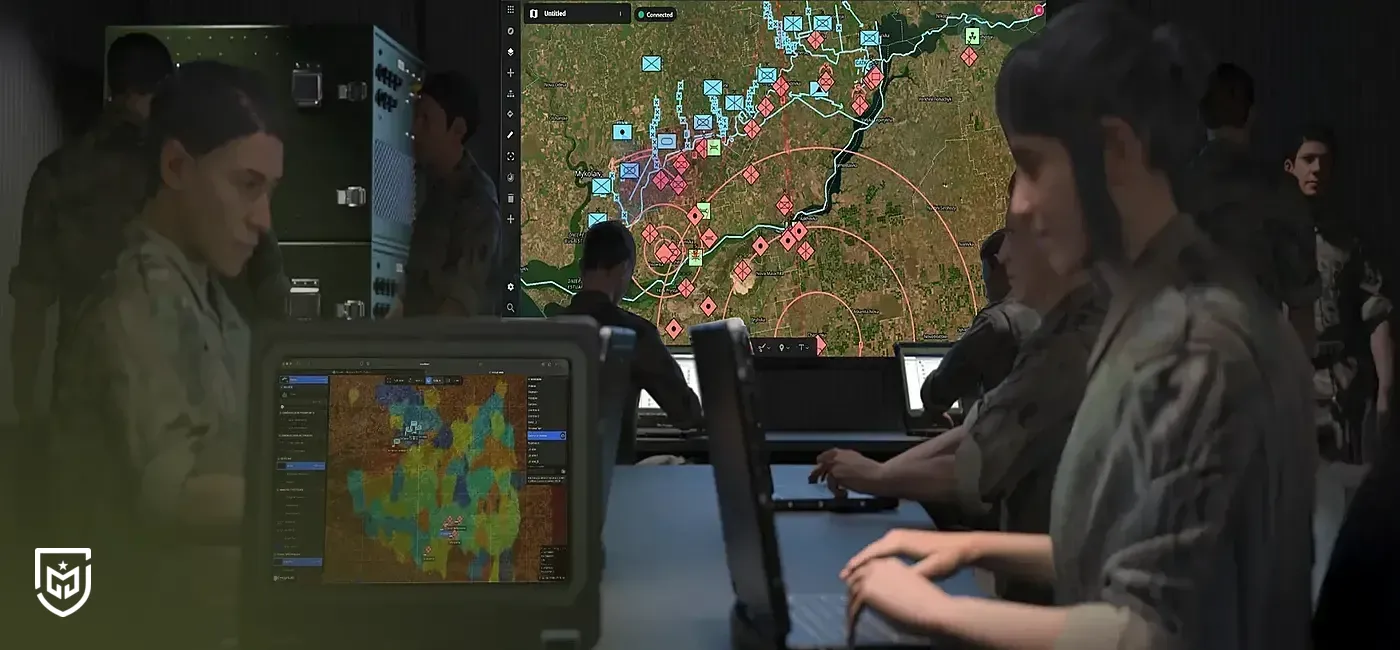
From a technical perspective, frequency management in electronic warfare encompasses processes such as frequency allocation, spectrum monitoring, threat analysis, and dynamic frequency switching. Modern systems are capable of conducting real-time spectrum analysis, detecting enemy jamming activities, and automatically transitioning to alternative frequencies. This capability provides a decisive operational advantage, especially in environments exposed to intense electronic attacks. Historically, electronic warfare practices have evolved from fixed-frequency systems toward frequency-hopping and adaptive architectures. This evolution represents not only a technological advancement but also a cornerstone of modern military doctrines. As a result, frequency management in electronic warfare is widely regarded as one of the most strategic and decisive elements that shape the outcome of contemporary conflicts.


The cookies used on our website are used to provide you with a better user experience and to improve our website. You can manage your cookie preferences from the options below.




 Süheyla Yıldız