BREAKING NEWS
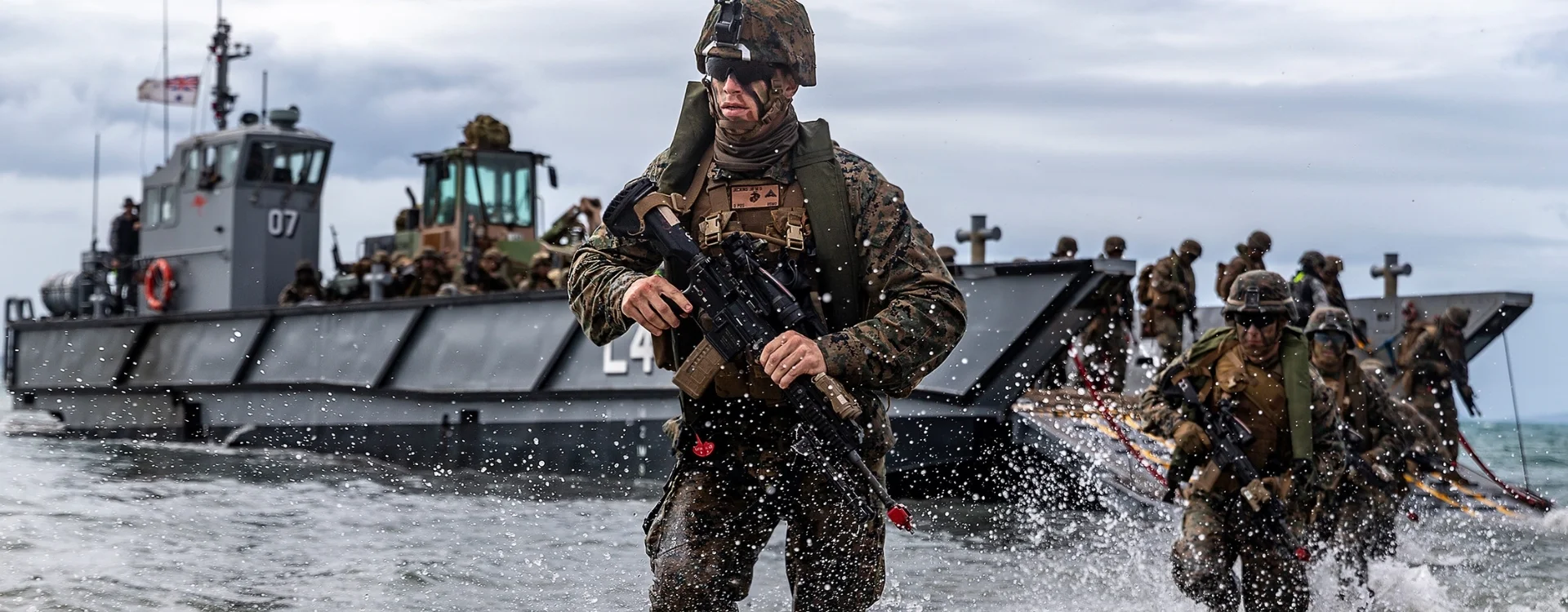
Amphibious landing operations are among the most critical types of military maneuvers conducted by naval forces to reach and secure land targets. Throughout history, these operations have shifted the balance of wars and reshaped geopolitical outcomes. Designed to transport troops, armored vehicles, and equipment from sea to shore, amphibious assaults are primarily executed to breach coastal defenses and establish strategic superiority. In modern military doctrine, amphibious landing operations hold a central role, requiring synchronized coordination between land, naval, and air forces. Strategic planning, intelligence superiority, and logistical precision are vital elements that determine operational success.
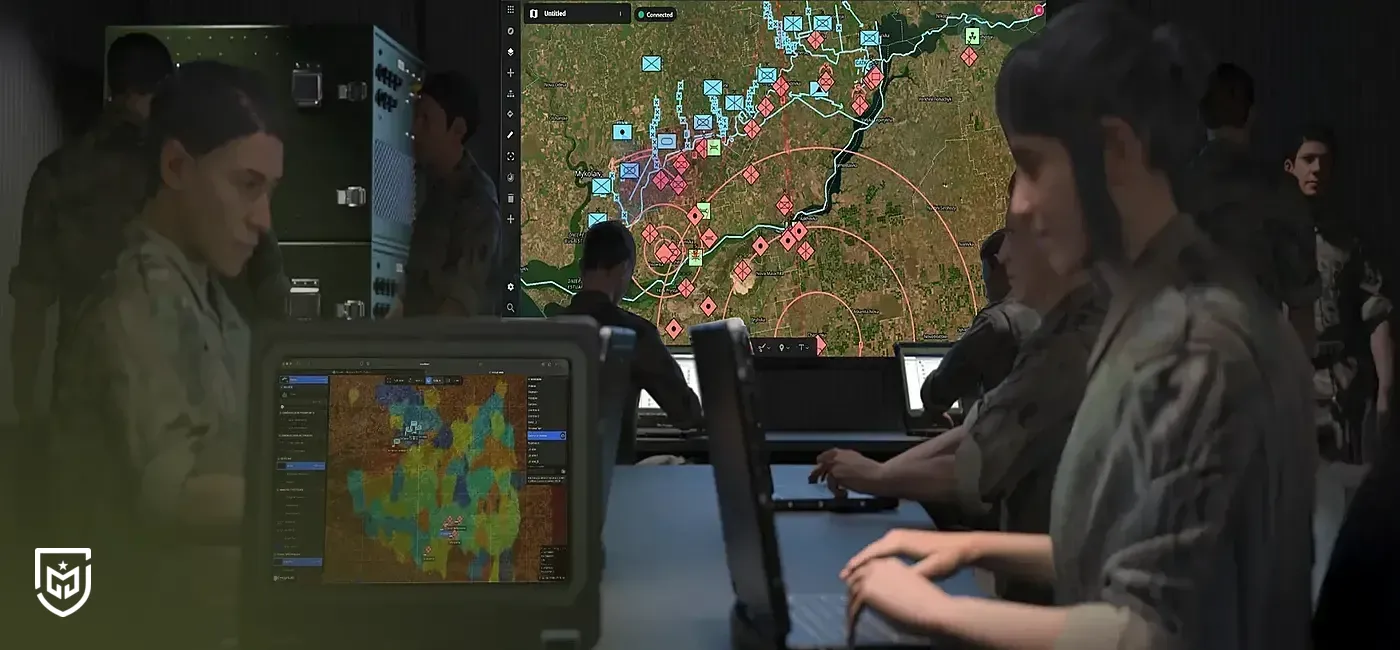
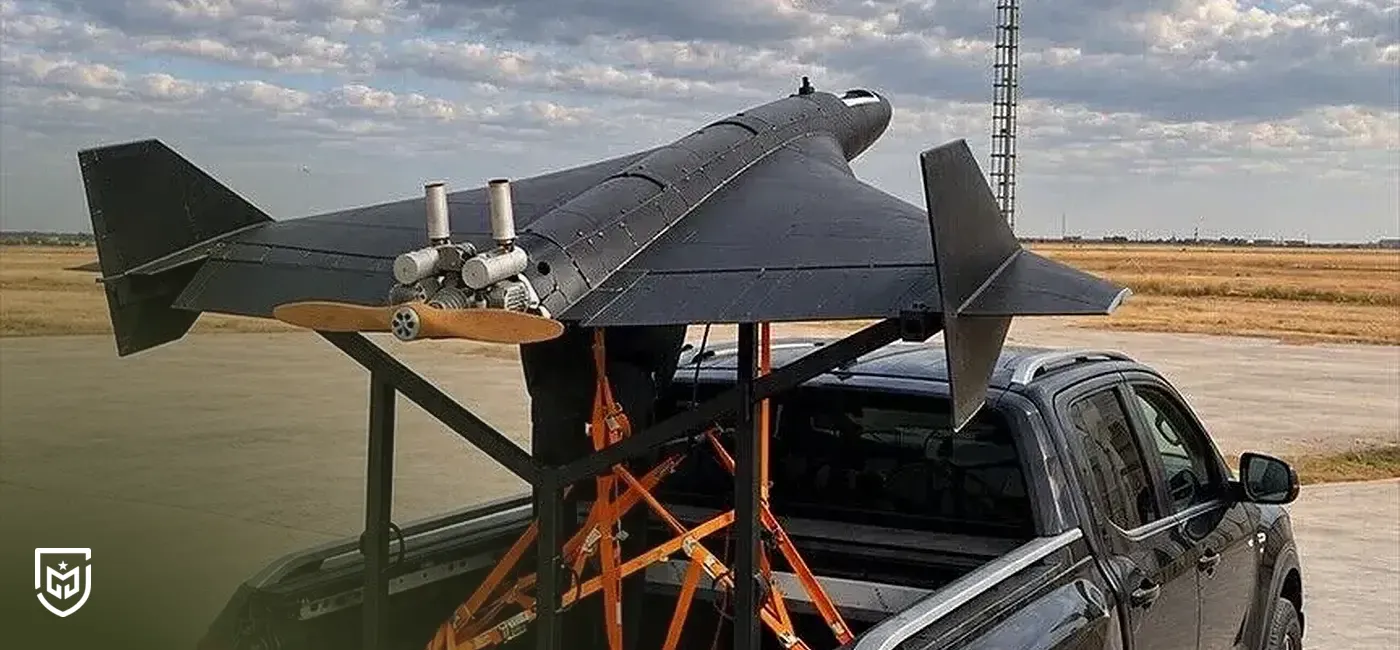
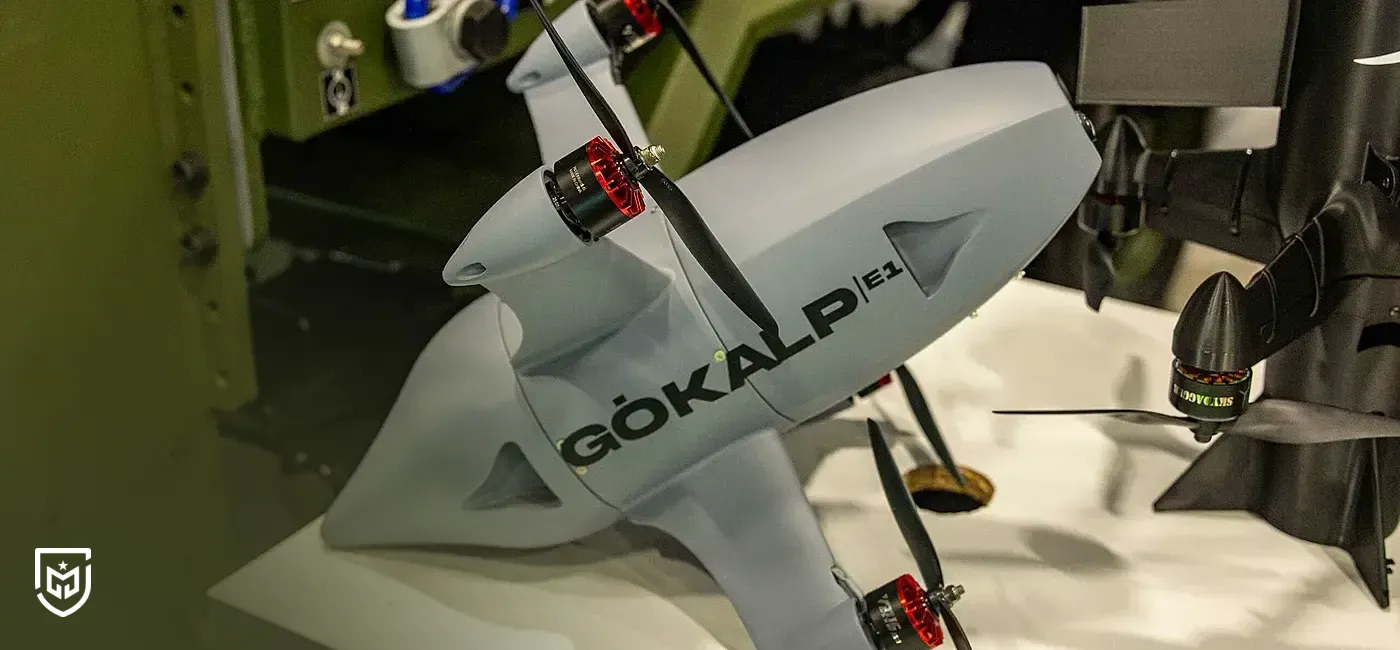
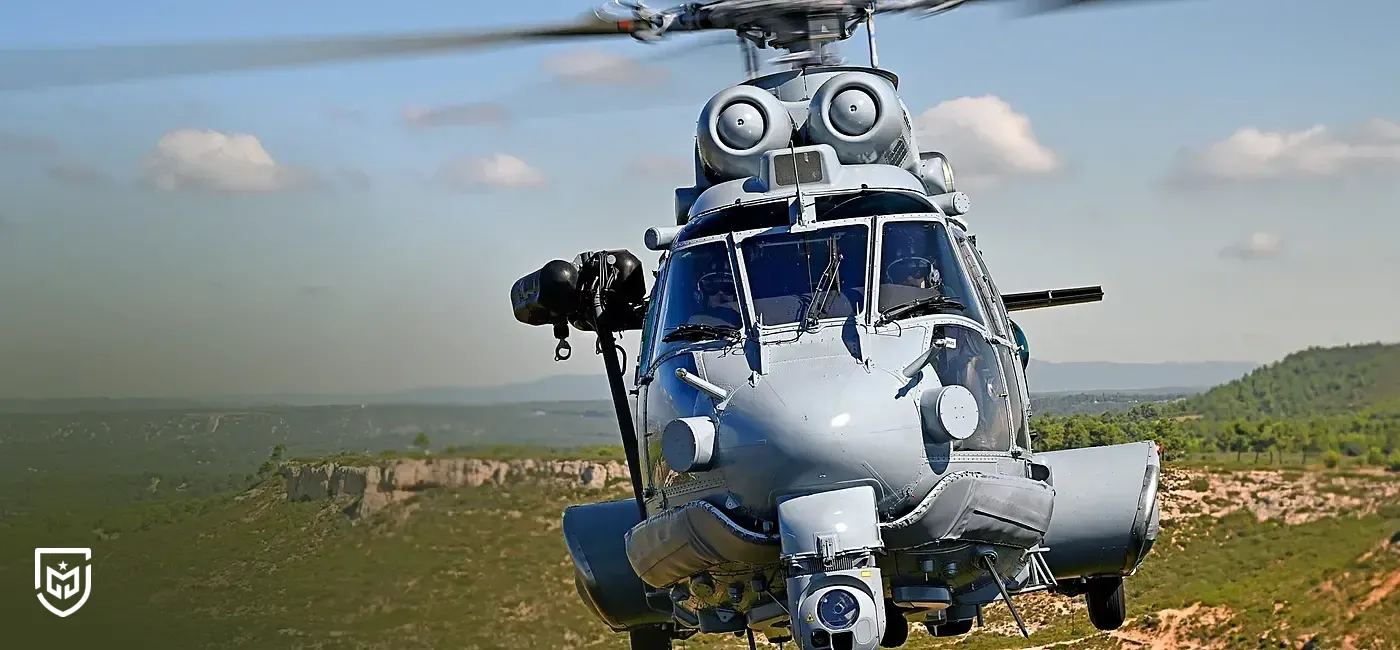
From a technical perspective, amphibious landing operations involve multi-layered components such as landing ships, amphibious assault vehicles, air support, naval artillery fire, and electronic warfare systems. One of the most historically significant examples is the Normandy landings on June 6, 1944, which altered the course of World War II. In today’s military landscape, advanced amphibious assault ships, air-cushioned landing craft, and unmanned systems have significantly enhanced operational capabilities. Amphibious landing operations are not merely displays of military force but complex achievements of logistics, coordination, and technological integration. With the integration of modern radar systems, satellite-based command-control infrastructures, and high-mobility armored amphibious vehicles, these operations can now be executed with greater speed, precision, and effectiveness. Particularly in coastal security, island defense, and overseas intervention strategies, amphibious warfare capability remains a decisive indicator of a nation’s military strength.


The cookies used on our website are used to provide you with a better user experience and to improve our website. You can manage your cookie preferences from the options below.




 Süheyla Yıldız