


Electro-Optics and Sensors


BREAKING NEWS
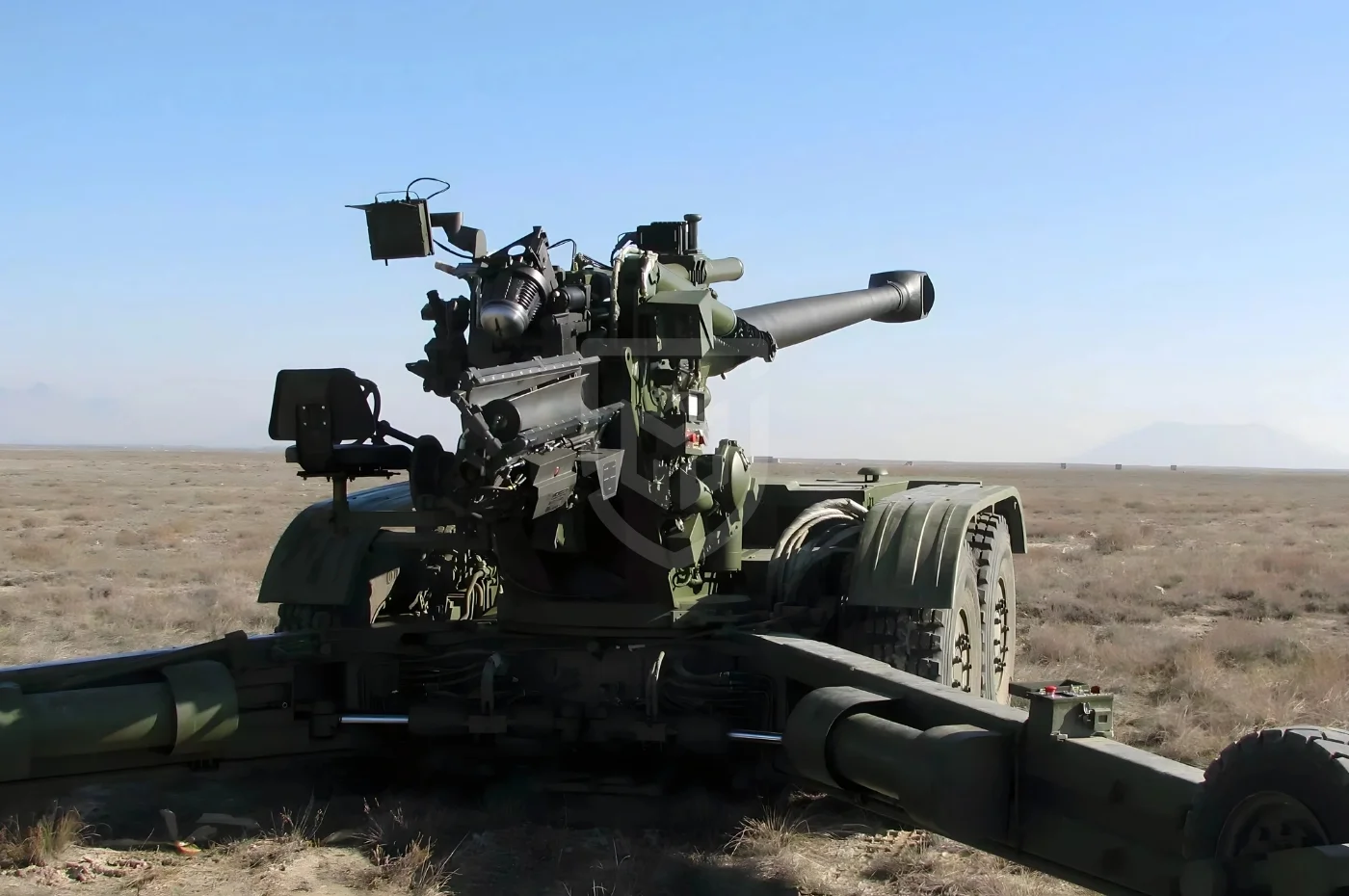
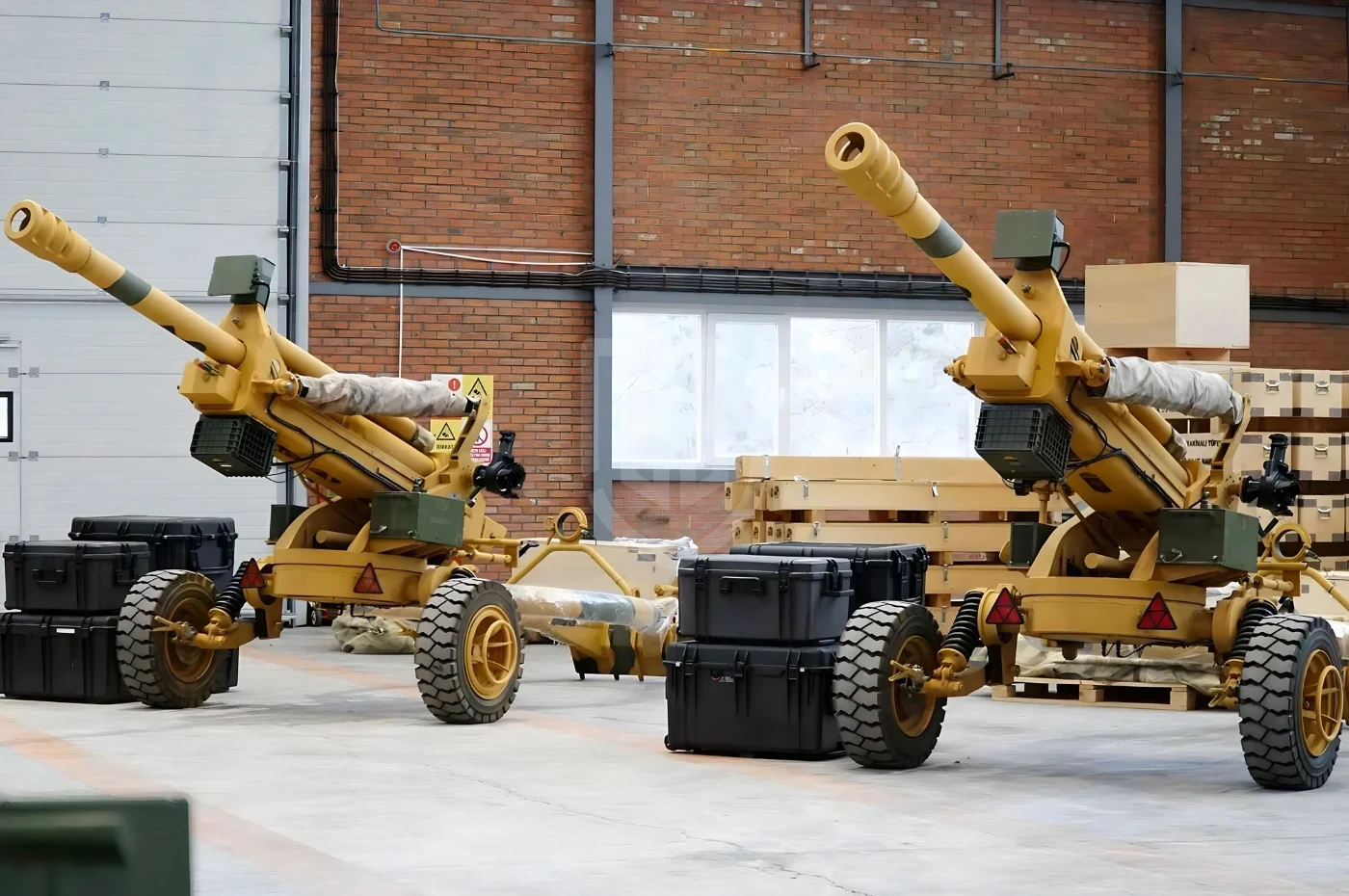
The PANTER 155 mm / 52 caliber towed howitzer was designed to meet the long-range fire support requirements of modern artillery doctrine. By adopting a 52-caliber barrel, the system achieves higher muzzle velocity and improved ballistic performance compared to legacy 39-caliber systems. This results in extended engagement range, reduced time of flight, and improved accuracy at long distances.
Operational Role and Mission Profile
PANTER’s primary mission is to deliver long-range indirect fire in support of maneuver units. It is capable of:
At brigade and corps levels, the system enhances operational depth by engaging targets beyond 30 km, enabling artillery superiority in contested environments.
Doctrine and Employment Concept
Although PANTER is a towed system, it incorporates a 160 hp Auxiliary Power Unit (APU), allowing limited self-propelled movement without a prime mover. This hybrid mobility concept reduces deployment and displacement time, which is critical in counter-battery scenarios.
The system features a 180-degree traverse capability, enabling wide-sector fire without repositioning the carriage. This improves tactical flexibility, particularly in restricted terrain such as mountainous or semi-urban environments.
Platform Architecture
The PANTER system consists of:
The integrated fire control computer calculates ballistic solutions based on meteorological inputs and ammunition parameters, increasing first-round hit probability.
Survivability and Protection
As a towed system, PANTER does not feature armored protection. Survivability is achieved through:
In modern battlefields where counter-battery radars are prevalent, rapid displacement after firing is essential. The APU significantly reduces vulnerability time.
Accuracy and Engagement Process
The 52-caliber barrel provides higher muzzle velocity, producing flatter trajectories and shorter flight times. This reduces dispersion and environmental influence, particularly at extended ranges.
Publicly available sources indicate:
Standard HE ammunition range is lower, depending on configuration.
Network Integration and Ecosystem
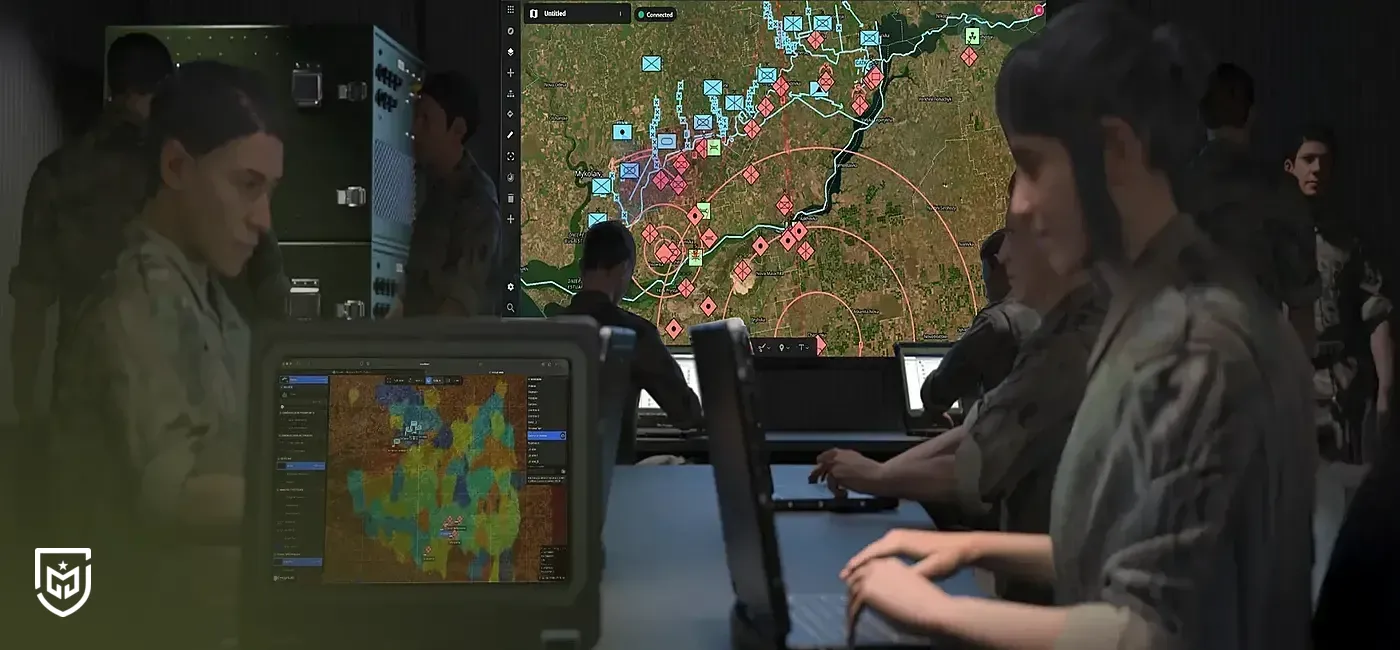
PANTER can be integrated into digital artillery command and control networks. Target data may be received from:
This enables coordinated fire missions within a network-centric warfare framework.
Advantages and Limitations
Advantages
Limitations
Operational Use and Deliveries
Initial deliveries to the Turkish Armed Forces began in 2004. Exact inventory numbers are not publicly disclosed. Export discussions have been reported in open sources, though confirmed international operators are limited.
Detailed Technical Specifications
Dimensions and Weight
Power System
Performance
Fire Control and Targeting
No onboard radar; targeting relies on external assets.
Ammunition Compatibility
Public information regarding smart or guided munition integration is limited.
Deployment and Crew
Frequently Asked Questions
What is the primary purpose of the PANTER howitzer?
What is its maximum range?
Is PANTER mobile or stationary?
What types of targets can it engage?
How many rounds can it fire per minute?
How does it compare to self-propelled systems?
Sources




The cookies used on our website are used to provide you with a better user experience and to improve our website. You can manage your cookie preferences from the options below.