

Air Forces News
Satellite and Space News


BREAKING NEWS
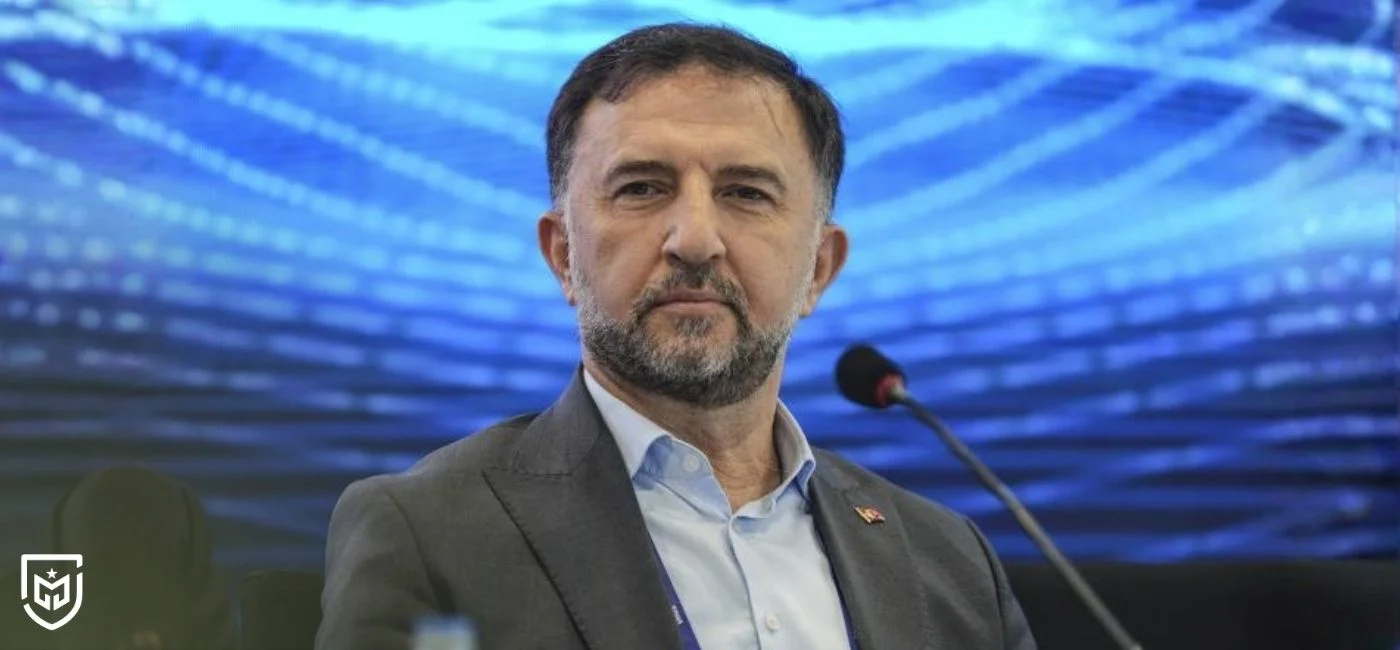
TUSAŞ, one of the most important organizations in the Turkish aviation and defense industry, continues to draw global attention with its national fighter jet projects, manned and unmanned aerial platforms, helicopters and space-related activities. TUSAŞ CEO Mehmet Demiroğlu said that Türkiye is ahead of Europe in fighter jet projects during the “Aviation and Defense Technology of Rising Türkiye” conference held at the Turkish Embassy in Berlin.
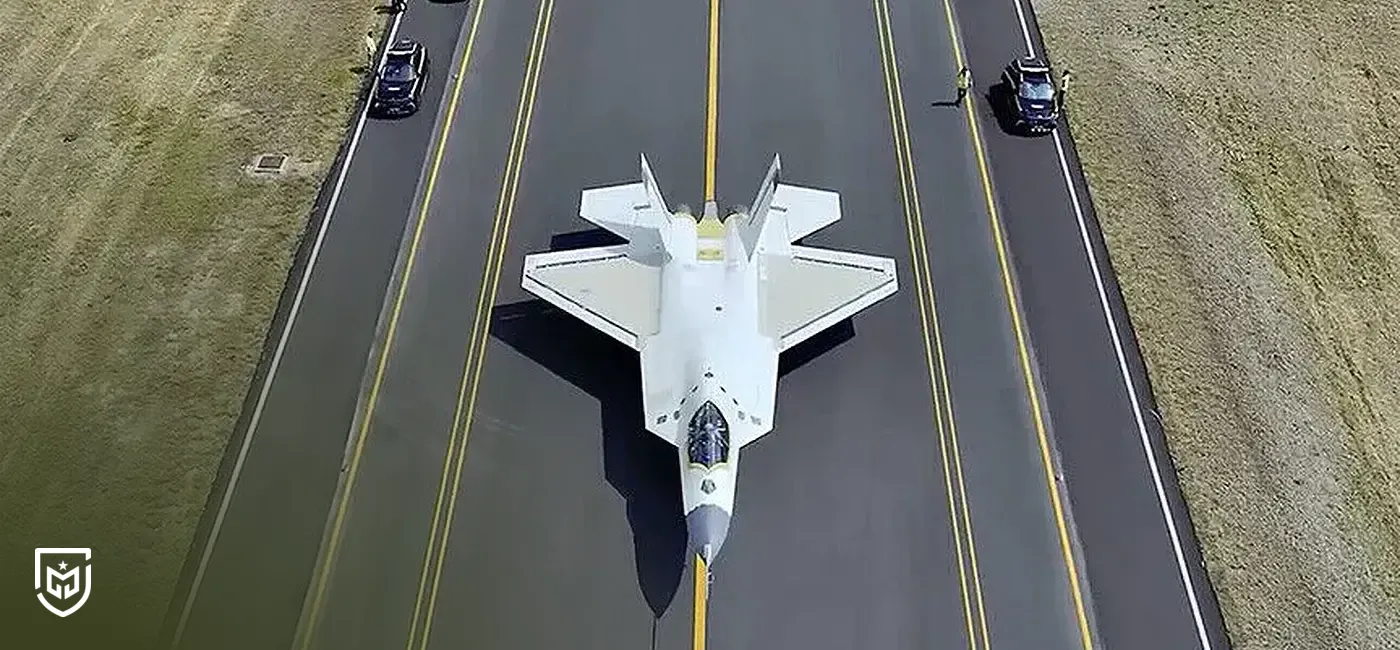
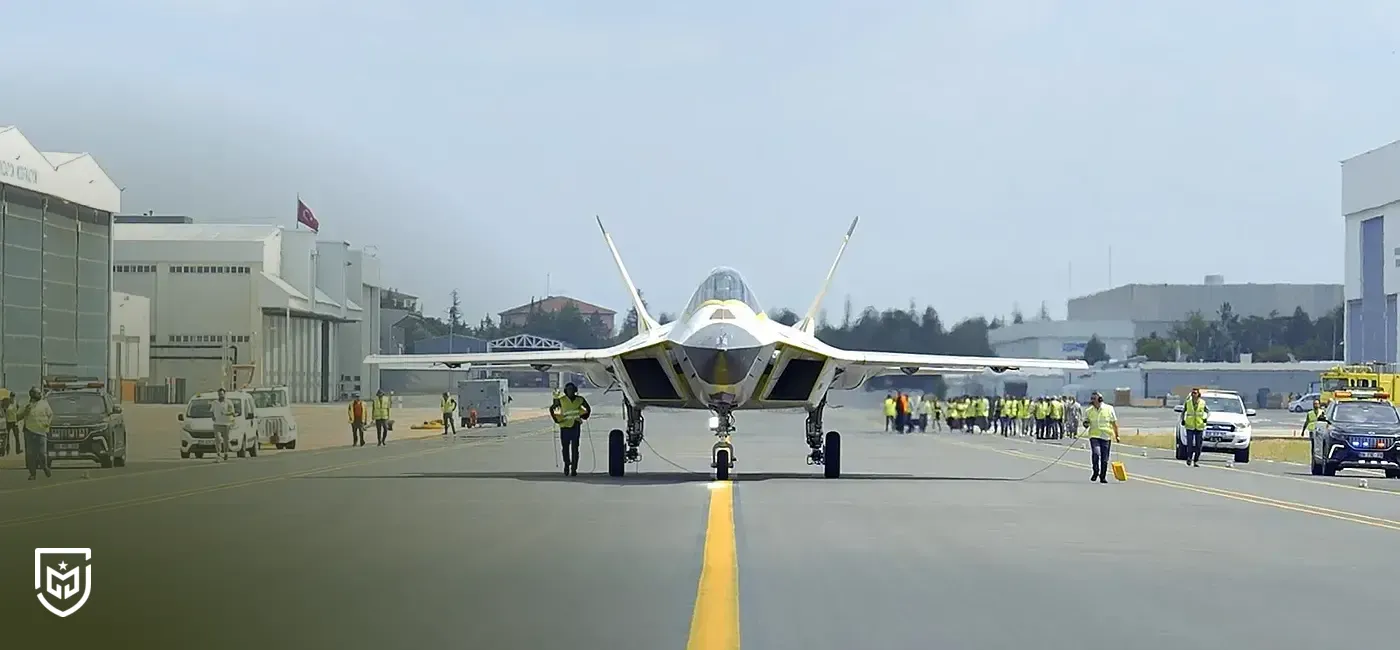
In his speech, Demiroğlu noted that Europe is still discussing projects such as Tempest and FCAS, while Türkiye has already reached a much more advanced stage. He emphasized that Türkiye’s National Combat Aircraft KAAN successfully performed its first flight on February 21, 2024, marking one of the most important milestones in the country’s aviation history. According to Demiroğlu, this was not only a flight achievement but also a strategic breakthrough that changed Türkiye’s technological trajectory.
KAAN was one of the main highlights of Demiroğlu’s remarks. He stated that Türkiye has become one of the few countries in the world capable of achieving such a technological level. The successful first flight of KAAN demonstrated Türkiye’s engineering competence in developing a fifth-generation fighter aircraft and showed the maturity reached by the country’s defense and aviation ecosystem.
Demiroğlu also referred to TUSAŞ’s historical development. He said the company’s journey began in 1973 in a small hut and that it became a fully domestic and national company in 2005 after foreign shares were completely acquired. Over the last two decades, TUSAŞ has developed 13 original platforms, including manned and unmanned aircraft, helicopters and space systems.
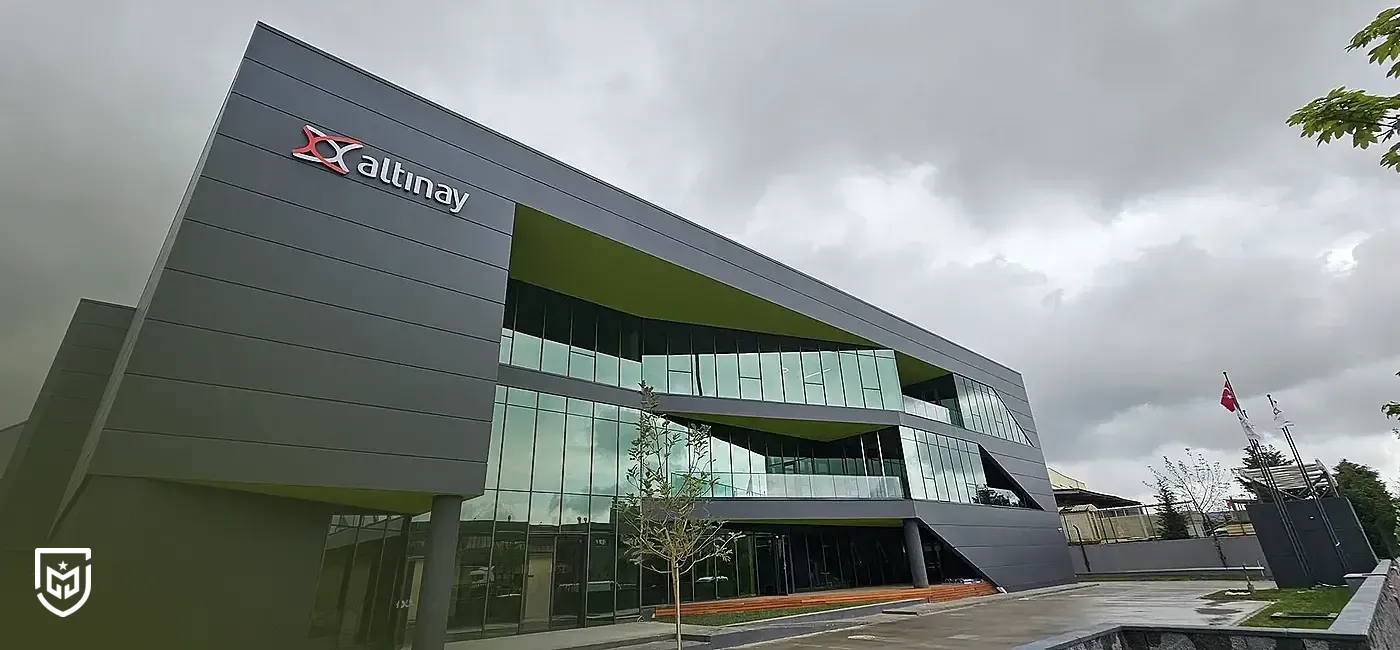
Today, TUSAŞ operates on a 4 million square meter campus in Ankara Kahramankazan with a young and dynamic workforce of 16,300 employees. Demiroğlu noted that the company’s average employee age is 34, underlining its growth strategy based on young engineering talent. This strong human resource base has become one of the key factors behind Türkiye’s rapid progress in aviation and defense technologies.
TUSAŞ’s role in the global civil aviation market was also among the important topics of the conference. Demiroğlu stated that TUSAŞ is one of the major organizations in the world producing structural parts for Airbus and Boeing. He also said that TUSAŞ is the sole producer in the world for some critical components and that almost every Airbus aircraft in operation includes a contribution from TUSAŞ. This shows that the company is not only a strategic player in military aviation, but also an important actor in the global civil aviation supply chain.
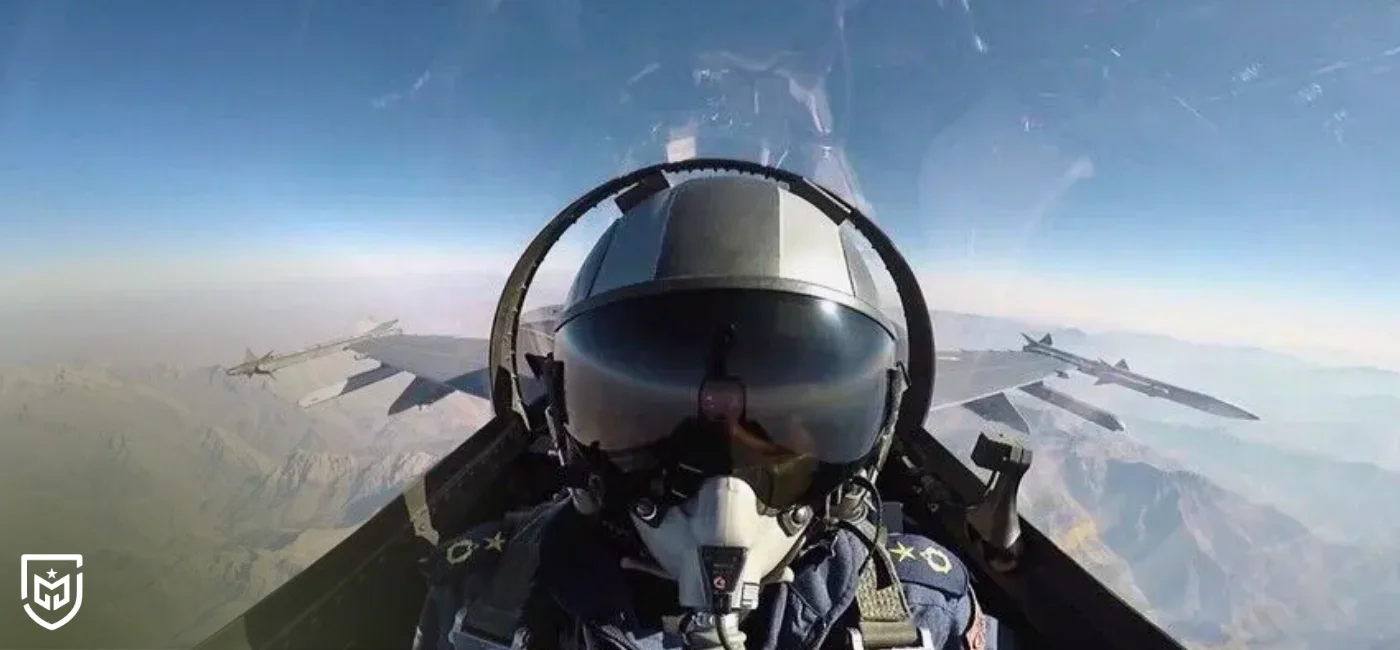
In addition to Türkiye’s progress in fighter jet projects, Demiroğlu also drew attention to the F-16 modernization process. He stated that the schedule set for modernizing the Turkish Air Force’s F-16-based strike backbone with indigenous and national systems is being implemented carefully. These efforts are crucial for making the existing fighter fleet more effective with national avionics, mission systems and locally developed munitions.
The simultaneous progress of KAAN development and F-16 modernization shows that Türkiye is pursuing a dual strategy in air power. On one hand, the country is preserving and upgrading its existing capabilities; on the other, it is preparing for the transition to next-generation combat aircraft. This approach strengthens Türkiye’s operational flexibility and long-term deterrence in the air domain.
Space vision was another major subject in Demiroğlu’s speech. He stated that the space center being established in Somalia represents a strategic step for Türkiye. According to Demiroğlu, as the global space race intensifies in the future, a bottleneck may emerge in launch capacity. For this reason, the investment is expected to contribute to Türkiye’s launch independence.
Demiroğlu also made comments on qualified human resources. He said the brain drain that was observed in the early 2020s has begun to reverse, and that more employees are now returning to Türkiye and TUSAŞ than those leaving abroad. Addressing young engineers, he advised them to be patient, determined and courageous, while stressing that talent alone is not enough for success and that strong infrastructure is also essential.
He added that TUSAŞ has the second-largest subsonic wind tunnel in Europe. This capability strengthens Türkiye’s testing and engineering infrastructure, which is essential for competing globally in advanced aviation technologies. With KAAN, F-16 modernization, civil aviation production and space initiatives progressing together, TUSAŞ continues to play a central role in Türkiye’s rise as a major aerospace and defense power.


The cookies used on our website are used to provide you with a better user experience and to improve our website. You can manage your cookie preferences from the options below.
 Süheyla Yıldız
Post Comment
Comments
No comments yet.
Related News
KAAN Fighter Jet's New Prototype Begins Taxi Tests
KAAN Fighter Jet Completes Pre-Flight Taxi Test Successfully
BAE Systems and Lockheed Martin Unveil Blizzard Multi-Mission Unmanned Aircraft
Anduril's Ohio Facility Produces First YFQ-44A Fury Unmanned Combat Aircraft
South Korea's envoy highlights KAAN fighter jets as cornerstone of defense partnership with Türkiye
Swedish-Developed Lunar Neutrals Telescope Delivered to TÜBİTAK SPACE for Moon Mission-1
TAI Chief: Turkey Shaping NATO's Future Security Architecture
Anduril Thunder: Autonomous Attack Helicopter with Level 5 Autonomy Capabilities