


Electronic Systems
Global Developments


BREAKING NEWS
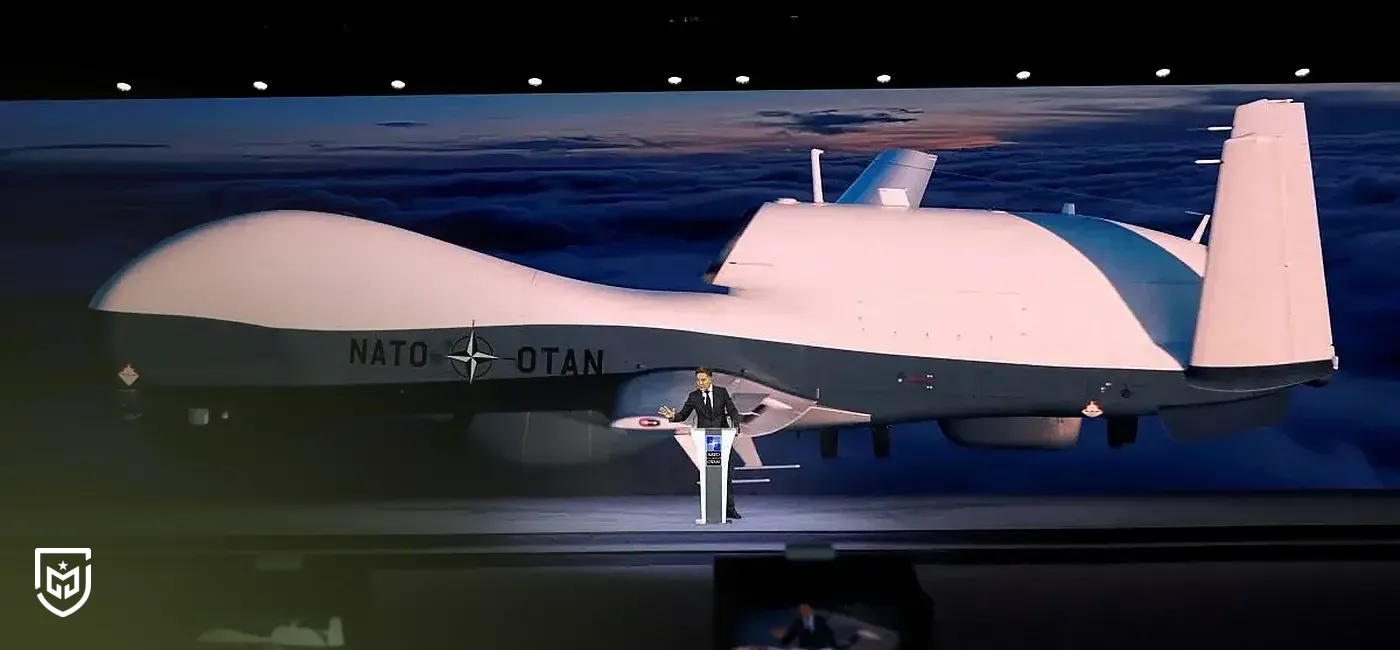
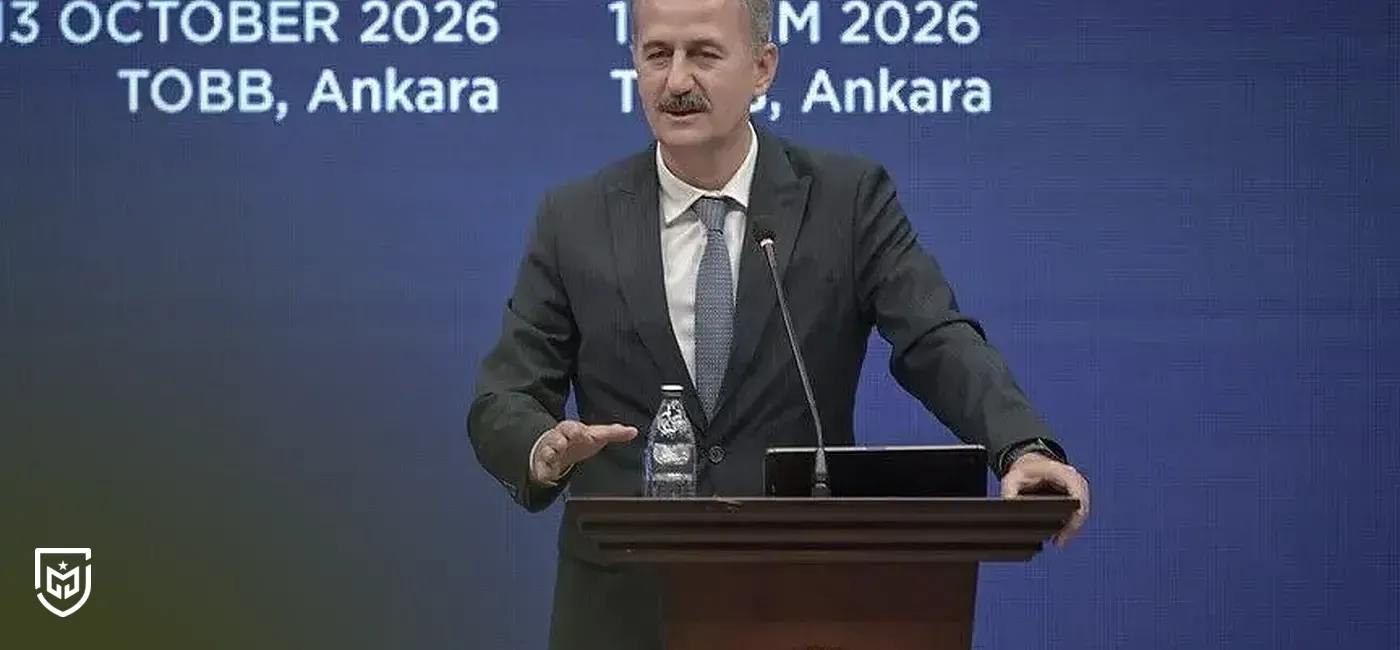
Leading Turkish defense firms ASELSAN, ROKETSAN and Baykar delivered statements at the NATO Defence Industry Forum in Ankara that underscored the alliance's strategic requirements for production capacity and industrial cooperation. The forum provided a platform for NATO to announce a $40 billion counter-unmanned aerial vehicle (UAV) commitment and several other defense initiatives. Beyond its role as host, Türkiye's extensive defense ecosystem positioned the country at the center of these discussions.
NATO faces fundamental challenges in translating previous commitments into tangible outcomes and strengthening Europe's independent security capabilities. The Ankara summit delivered significant announcements, particularly on joint industrial procurement. However, analysts note that production capacity and sustained manufacturing lines represent a major obstacle for allied nations. European countries must balance rapid delivery obligations with protecting public sector financing while meeting defense spending targets.
At the summit, Sweden's Saab was selected to provide GlobalEye surveillance and early-warning aircraft. Separately, the partnership between Lockheed Martin and Rheinmetall to produce the Army Tactical Missile System (ATACMS) in Europe demonstrated strengthened U.S.-European cooperation. Anduril will supply Barracuda-500 missiles to Poland and establish a new production line in the country.
The Turkish defense sector plays a significant role in these developments. Executives from ASELSAN and ROKETSAN emphasized that Türkiye possesses the required capacity, a strong industrial base and supply chains, and stands ready to provide these capabilities to allied nations. Baykar CEO Haluk Bayraktar called for deeper industrial partnerships among NATO members to accelerate UAV development and production, noting cooperation with Italy's defense giant Leonardo. Türkiye currently ranks as the world's 11th-largest defense exporter and aims to enter the top 10 by 2028.
NATO's counter-UAV initiative represents a critical strategy in the Black Sea-Eastern Mediterranean-Levantine corridor, where asymmetric aerial competition has become pronounced. Experts note that this framework requires real-time data fusion and processing networks, with national sensor systems alone proving insufficient. The $40 billion commitment effectively mandates acceleration of Command, Control, Communications, Computers, Intelligence, Surveillance, and Reconnaissance (C4ISR) interoperability across the alliance.


The cookies used on our website are used to provide you with a better user experience and to improve our website. You can manage your cookie preferences from the options below.
 Tolga Demirel
Post Comment
Comments
No comments yet.
Related News
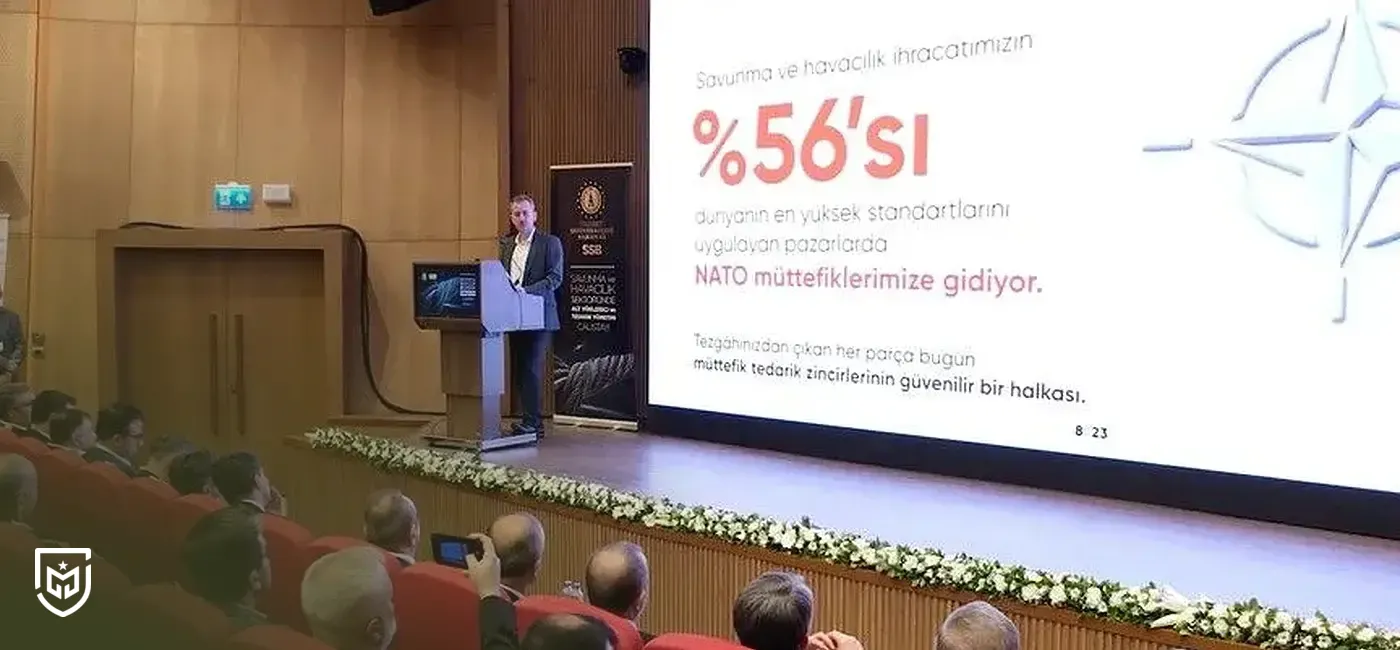
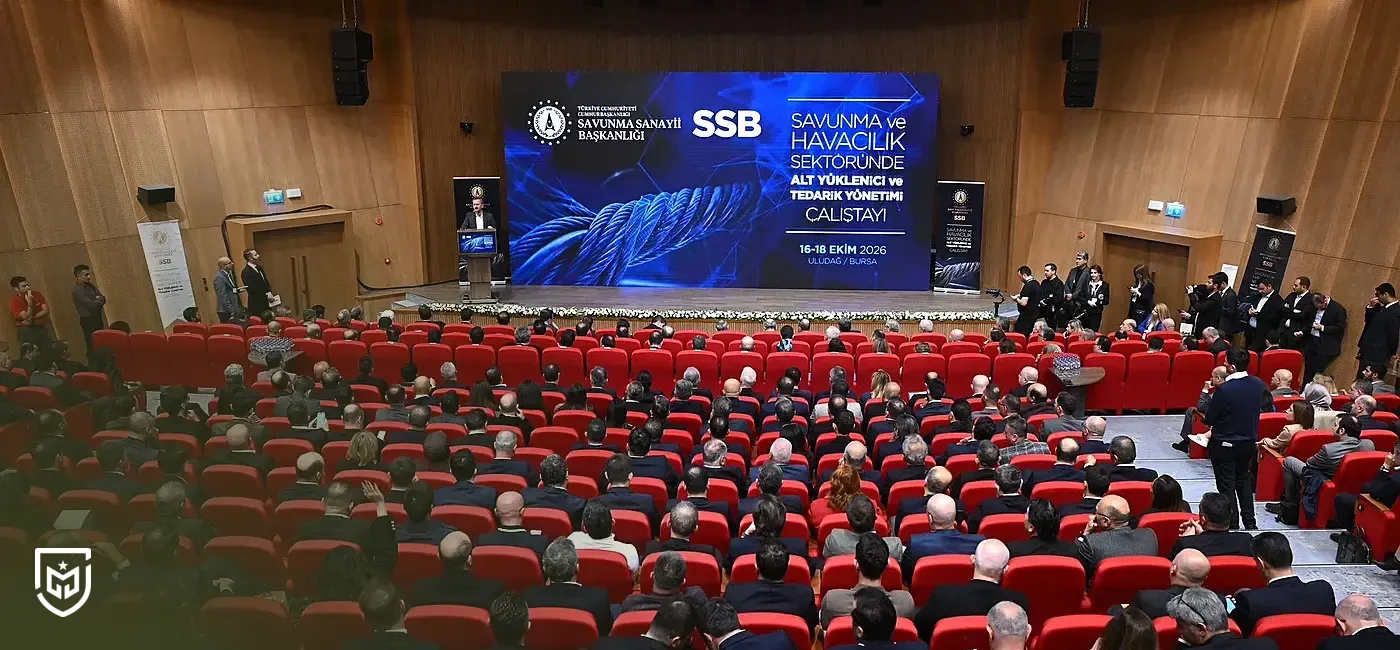
SSB Sector Meeting: Focus on Supply Chain and Production Capabilities
Turkish defense industry signed 15 billion dollars in new contracts in 2026
SSB Hosts Second Supply Chain Strengthening Summit
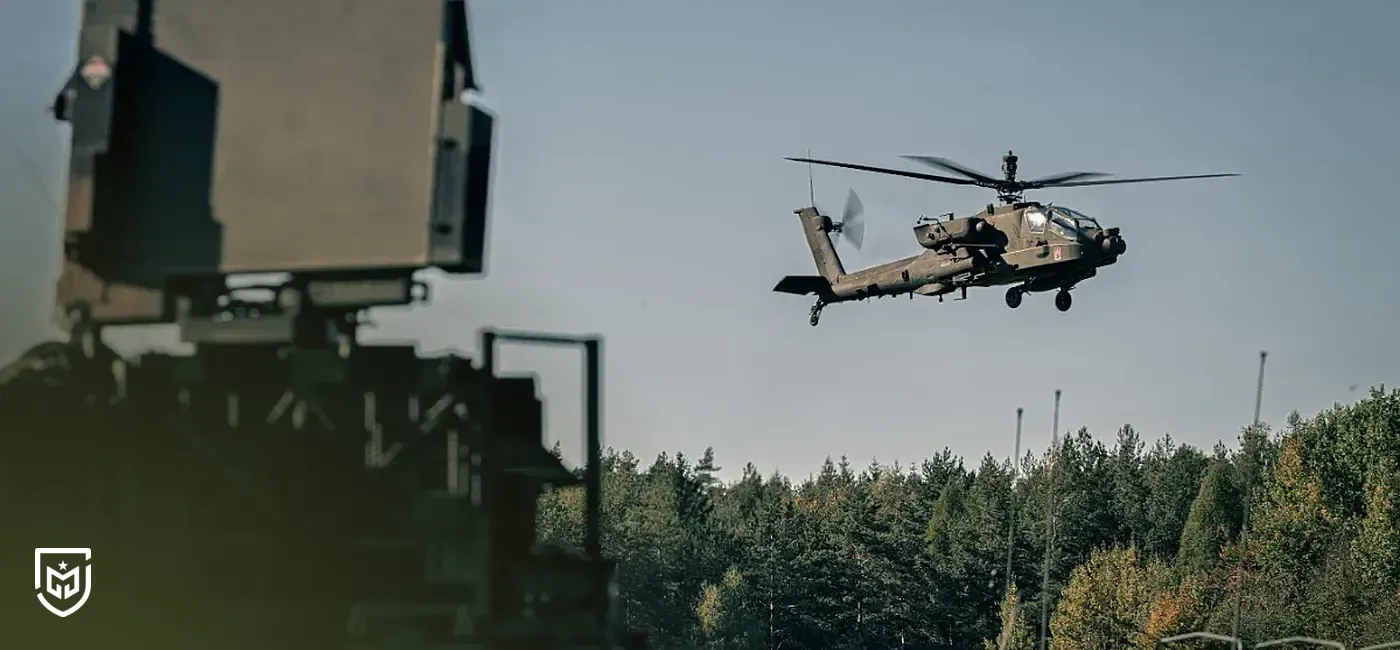
Skyfall II Exercise: U.S. Army Demonstrates UAV Defense Capabilities in Germany
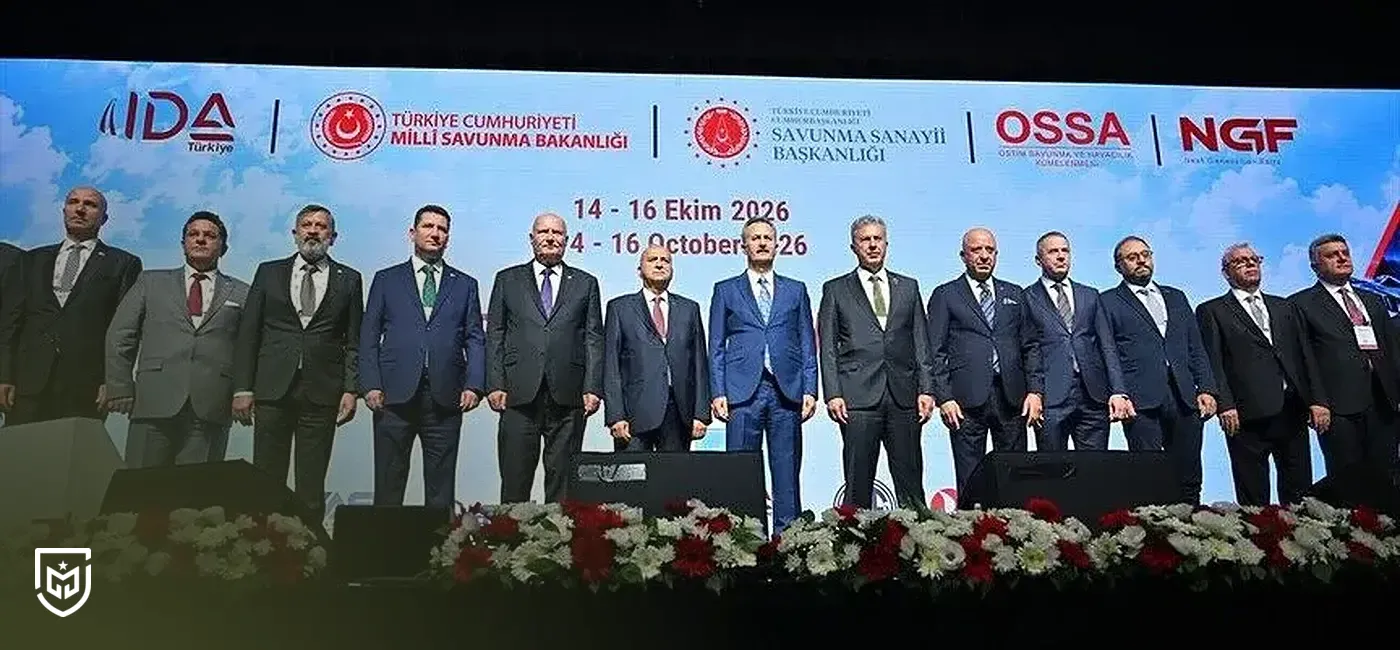
IDA Turkey 2026 Defense and Aviation Industrial Cooperation Days Launched
SSB Chief: Transparent Licensing Will Strengthen Defense Cooperation
STM's Swarm UAV System Demonstrates Operational Success at Ateş Serbest-2026
ÇAKIR Cruise Missile Supply Contract Signed