


Missiles and Rockets
Global Developments


BREAKING NEWS
U.S. Secretary of Defense Pete Hegseth announced on March 5, 2026, during remarks at U.S. Central Command (CENTCOM) headquarters, that American military operations against Iran are about to enter a new and far more intense phase. Hegseth stated that U.S. firepower over Tehran is expected to “surge dramatically,” emphasizing that Washington does not face any serious limitations in either defensive or offensive munitions stockpiles. His comments came on the sixth day of the U.S. air campaign against Iran and signaled that the Pentagon is preparing for a broader and more forceful operational tempo.
According to Hegseth, the U.S. administration believes Iran has miscalculated by assuming that the current conflict cannot be sustained for a long period. Pentagon officials argue that existing munitions reserves are sufficient to continue operations for as long as needed. The report also notes that the United Kingdom and several other partner nations have granted the United States access to bases, significantly expanding operational reach in the region. This development indicates that the campaign is no longer limited to tactical strikes alone, but is also being reinforced through a wider regional logistics and basing network.
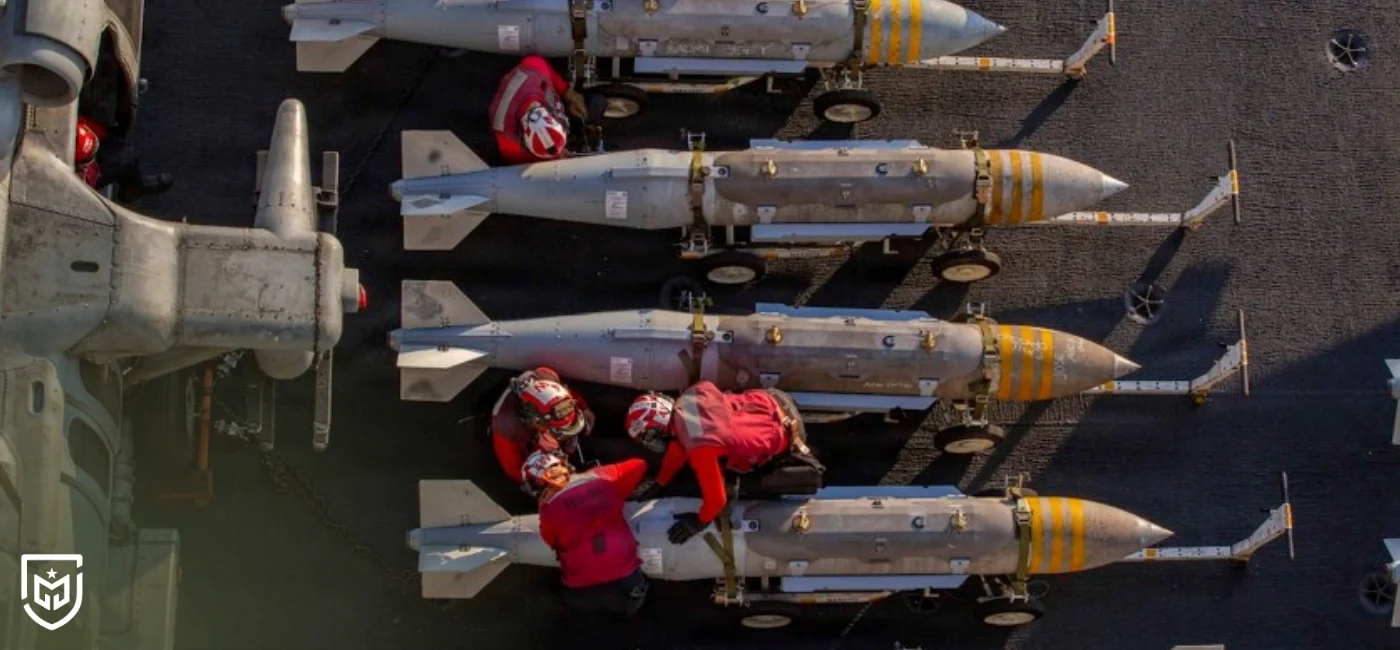
CENTCOM Commander Admiral Brad Cooper provided further details on the scope of the operations, stating that nearly 200 targets have been struck across Iran over the past three days, including in the capital, Tehran. Cooper said that within just the last hour, U.S. B-2 bombers had dropped multiple 2,000-pound bunker-busting bombs on deeply buried ballistic missile launchers. He also stated that Iran’s space command had been neutralized, weakening Tehran’s ability to coordinate retaliatory attacks. These remarks suggest that the United States is now targeting not only immediate threats, but also Iran’s command-and-control structure and its strategic missile infrastructure as part of a larger pressure campaign.
The operational results described by CENTCOM are also notable. Cooper said that since Saturday, Iran’s ballistic missile attacks have dropped by 90 percent, while its drone attacks have decreased by 83 percent. In addition, the United States has intensified strikes against Iran’s naval assets, reportedly sinking more than 30 vessels, including a drone carrier ship. CENTCOM is now expected to focus more heavily on dismantling Iran’s ballistic missile industrial base. Altogether, these developments show that Washington aims not only to manage the current confrontation, but also to significantly reduce Iran’s medium-term missile production and strike capabilities.


The cookies used on our website are used to provide you with a better user experience and to improve our website. You can manage your cookie preferences from the options below.
 Süheyla Yıldız
Post Comment
Comments
No comments yet.
Related News
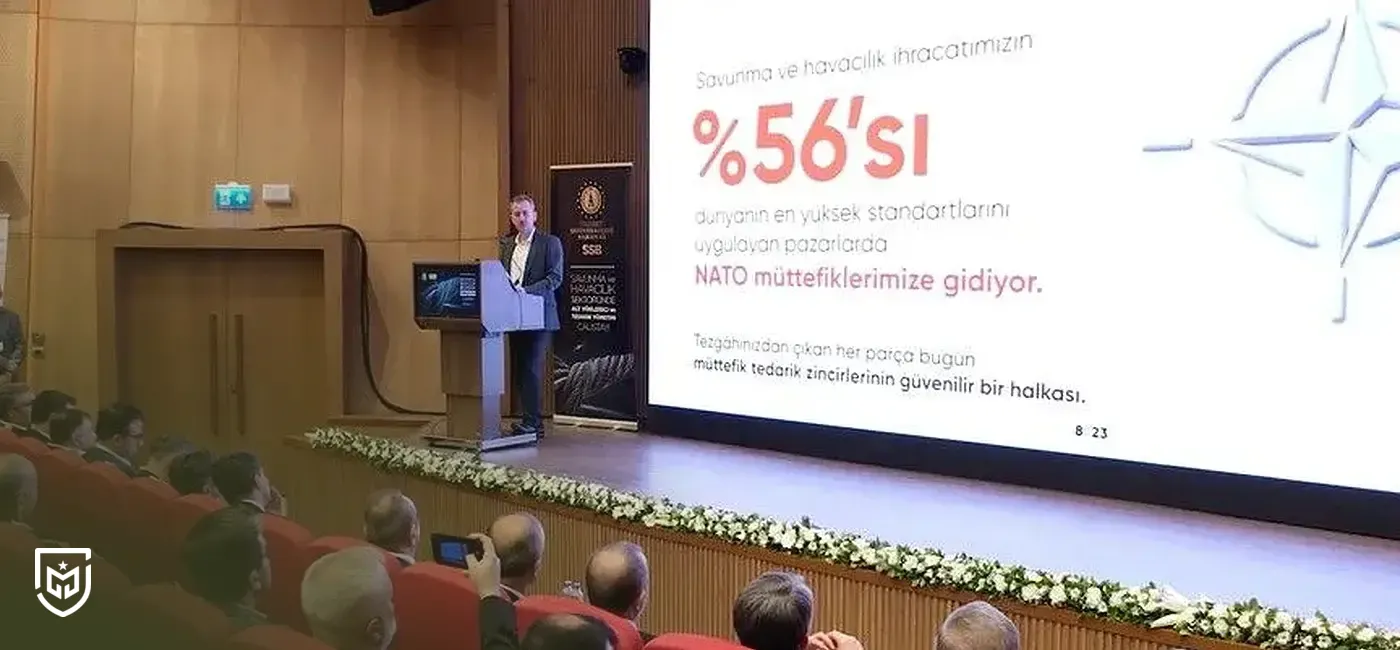
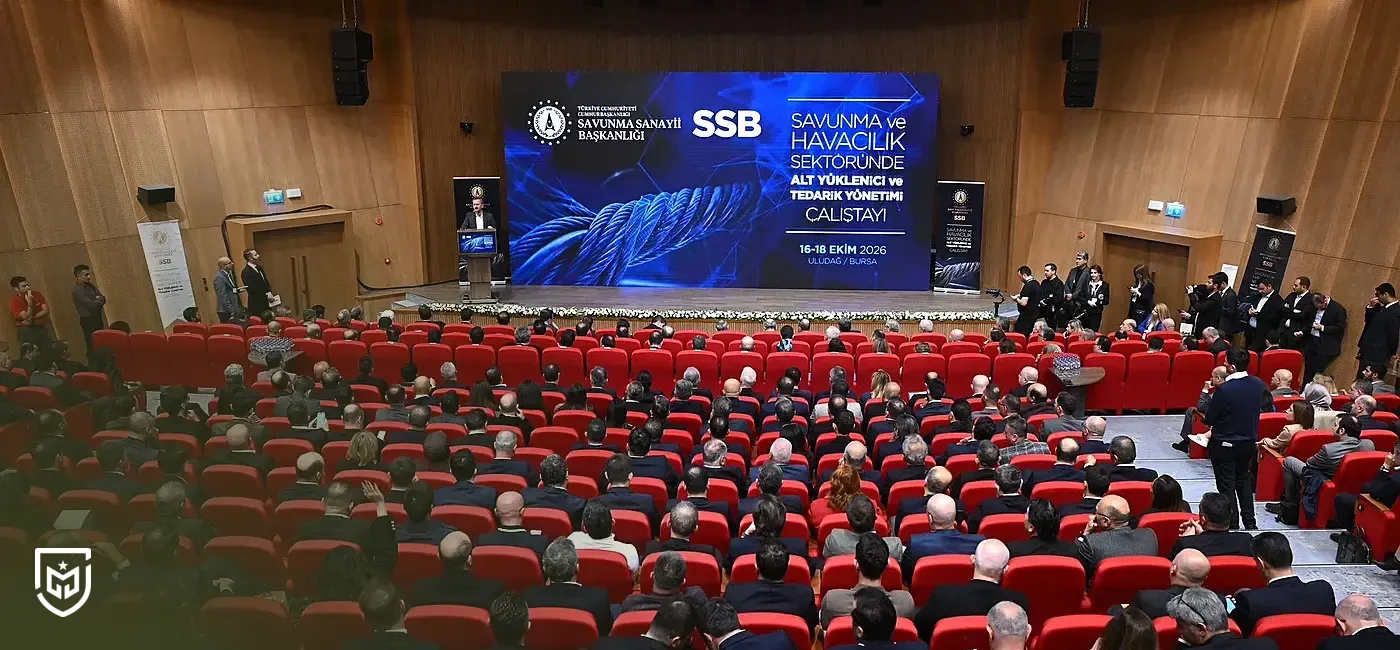
SSB Sector Meeting: Focus on Supply Chain and Production Capabilities
Turkish defense industry signed 15 billion dollars in new contracts in 2026
SSB Hosts Second Supply Chain Strengthening Summit
SSB Chief: Transparent Licensing Will Strengthen Defense Cooperation
ÇAKIR Cruise Missile Supply Contract Signed
Drone Shield Showcased at Marksman Competition
Fire Free-2026 Exercise Successfully Completed
Görgün: Turkish-German defense partnership to be revitalized with new vision