


Electronic Systems
Global Developments


BREAKING NEWS
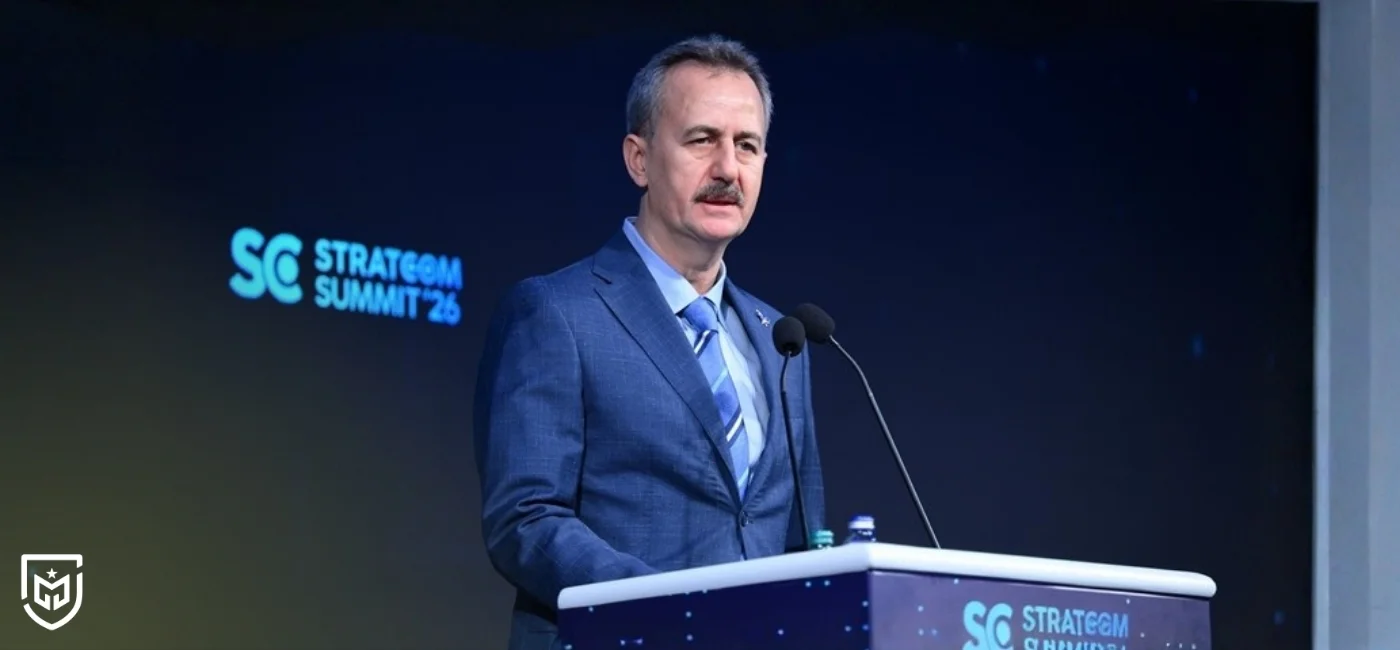
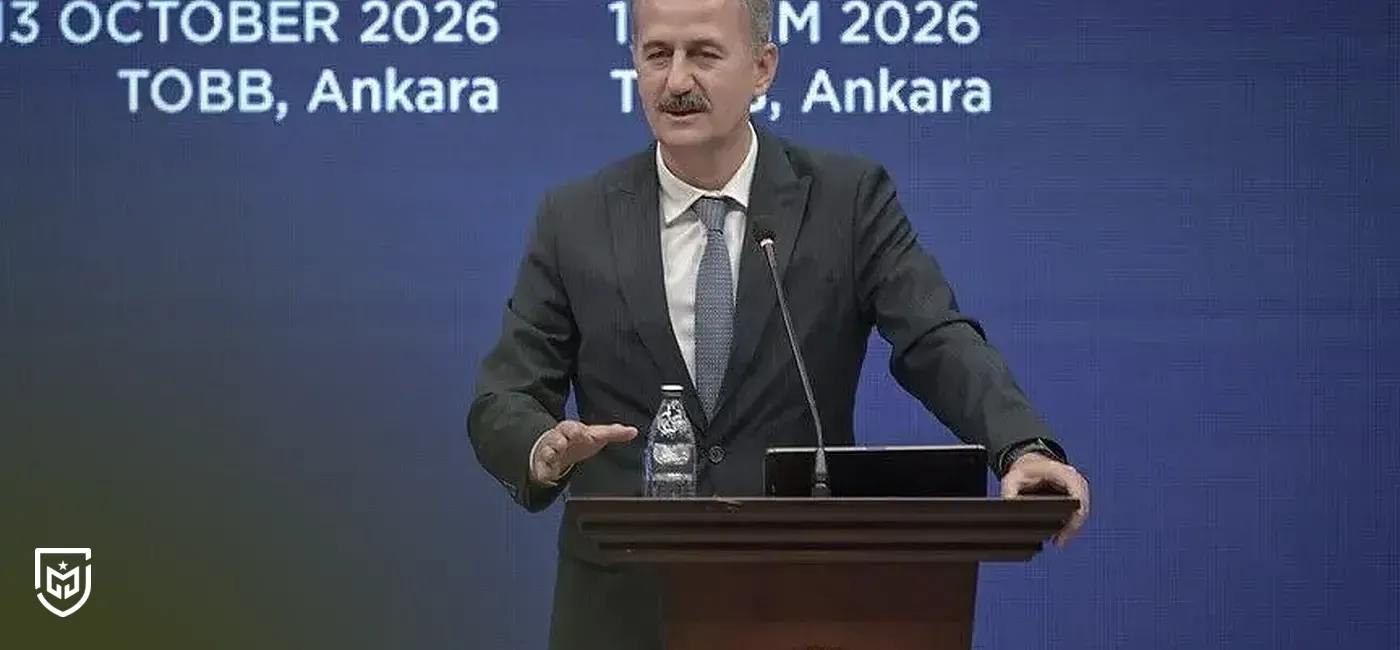
Haluk Görgün, head of Türkiye’s Presidency of Defense Industries, said during his speech at the International Strategic Communication Summit in Istanbul that a strong defense industry is not a threat to peace, but rather one of the main pillars that helps preserve it. Speaking at the STRATCOM Summit, organized by the Directorate of Communications under the theme “Fragmentation in the International System: Crises, Narratives and the Search for Order,” Görgün emphasized that the defense industry and strategic communication can no longer be considered separate fields. He underlined that information has now become a tool of warfare and that today’s security architecture is shaped not only by military power, but also by production capability, communication capacity and technological preparedness.
In his remarks, Görgün stressed that success on the battlefield is no longer determined solely by doctrine, but also by industrial strength. He noted that supply timelines, production speed and stock depth have become decisive elements affecting the course of war. According to Görgün, countries are no longer deploying only individual platforms, but are now bringing their entire defense industrial ecosystems into the field. He added that recent conflicts have clearly demonstrated how deeply the concept of warfare has changed. In particular, unmanned aerial vehicles and armed unmanned systems have opened a new chapter in modern combat. Türkiye’s achievements in the UAV and UCAV field, he said, are not limited to export success, but have also played a leading role in reshaping modern battlefield doctrines.
Haluk Görgün also pointed to the transformative impact of artificial intelligence in the defense sector, saying that AI has increased situational awareness, accelerated decision-making cycles and optimized logistics chains. He stated that software has now become as strategically important as hardware. Görgün further explained that one of the main reasons behind Türkiye’s success in defense industry lies in the continuous and close interaction between the battlefield and the industrial base. This agile structure, he said, has given Türkiye the ability to adapt rapidly to changing operational environments. Those who fail to adapt quickly, he warned, do not just fall behind in competition, but also become strategically vulnerable.
Highlighting the structural transformation of the Turkish defense industry over recent years, Görgün recalled that the domestic production rate, which was below 20 percent in the last quarter of the 20th century, has now exceeded 80 percent. He noted that Türkiye’s defense and aerospace ecosystem today includes more than 4,000 companies, over 100,000 direct jobs, a turnover exceeding 20 billion dollars and exports worth more than 10 billion dollars to 185 countries in 2025 alone. Görgün said this picture represents not only economic growth, but also strategic independence and sustainable industrial capability. He added that recent reports describe Türkiye as a “rising agile actor” on the global defense map.
Continuing his speech, Görgün stated that the National Technology Initiative stands at the center of Türkiye’s defense transformation. He identified artificial intelligence, cybersecurity, space systems, advanced materials and software-intensive platforms as the main focus areas for the future. According to him, Türkiye is not only manufacturing defense equipment, but also building the concepts and infrastructure of future security. He also said that efforts are ongoing to strengthen domestic capacity in critical areas such as rare earth elements. Emphasizing that strong defense capability is an inseparable part of Türkiye’s regional and global peace vision, Görgün concluded by saying that the Turkish defense industry will continue to serve as a reliable partner for friendly and allied countries while contributing constructively to international stability.



The cookies used on our website are used to provide you with a better user experience and to improve our website. You can manage your cookie preferences from the options below.
 Süheyla Yıldız
Post Comment
Comments
No comments yet.
Related News
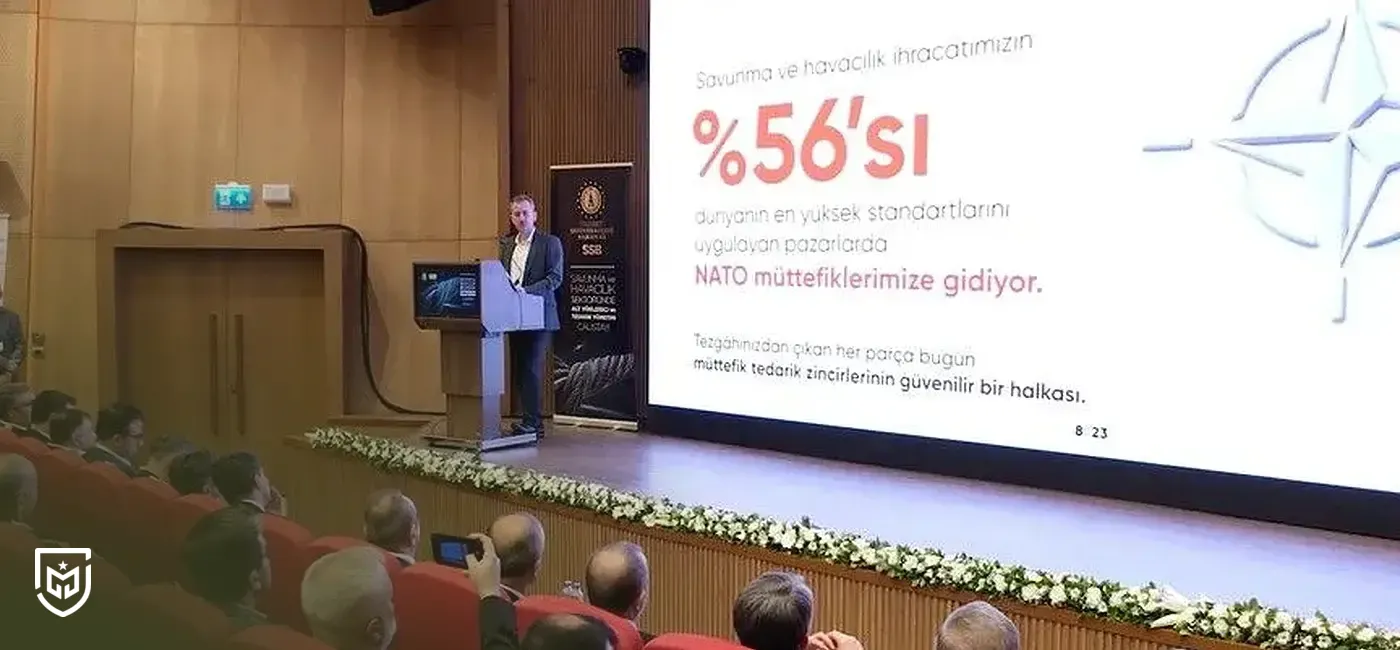
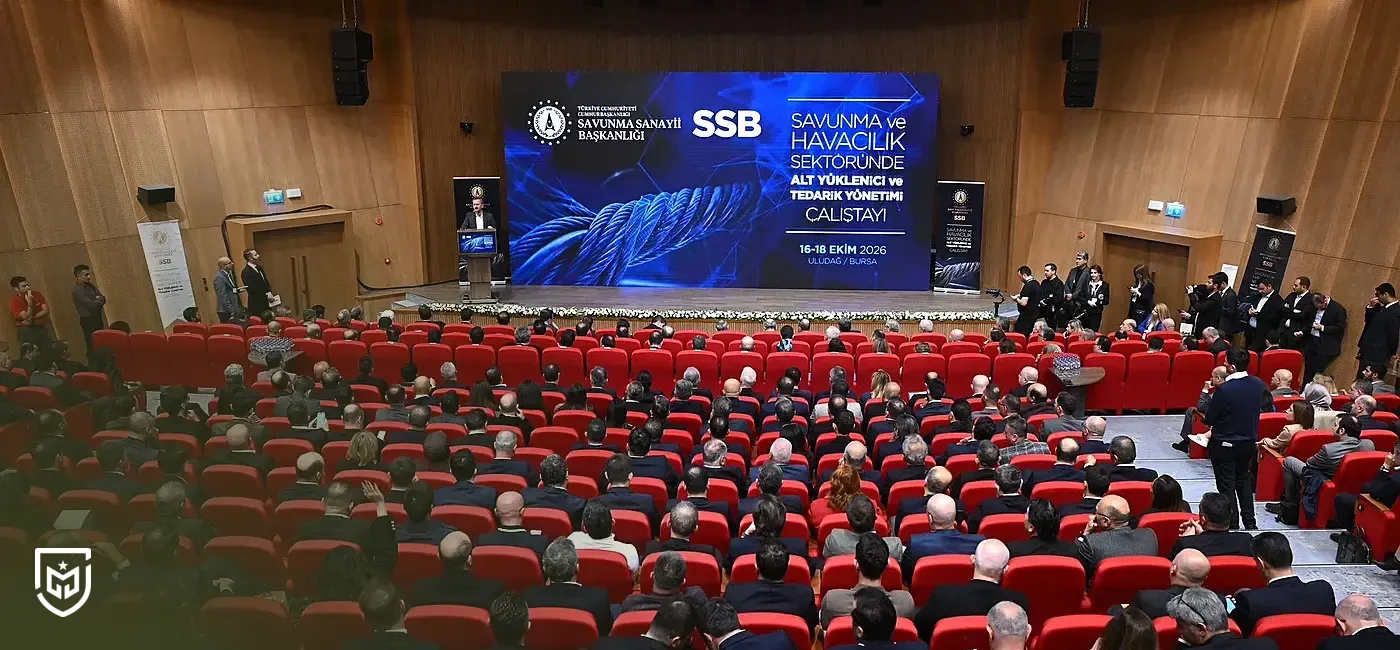
SSB Sector Meeting: Focus on Supply Chain and Production Capabilities
Turkish defense industry signed 15 billion dollars in new contracts in 2026
SSB Hosts Second Supply Chain Strengthening Summit
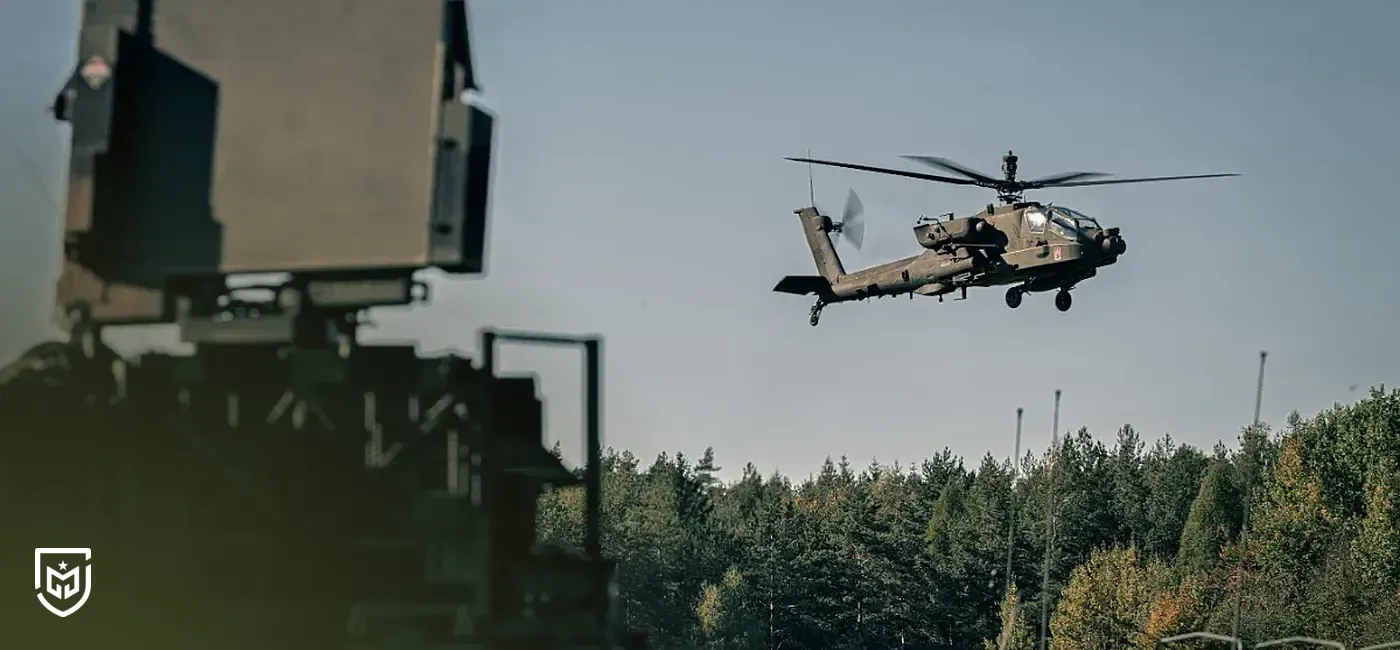
Skyfall II Exercise: U.S. Army Demonstrates UAV Defense Capabilities in Germany
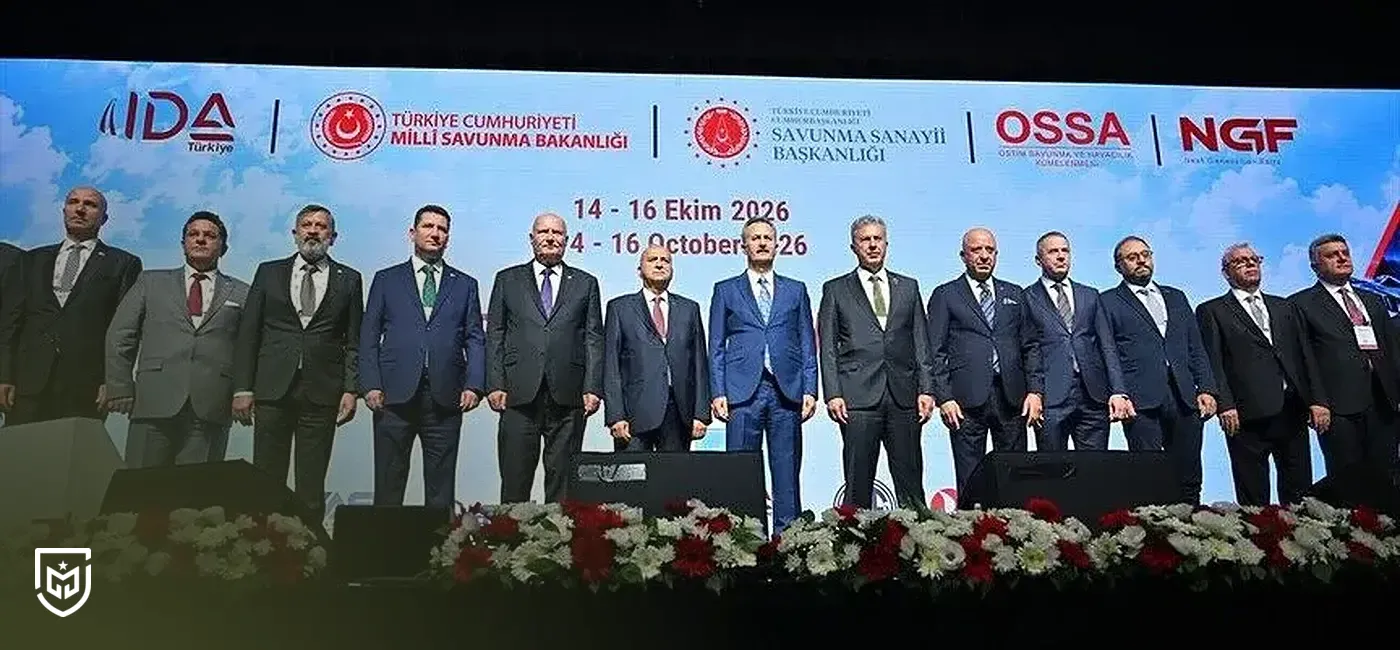
IDA Turkey 2026 Defense and Aviation Industrial Cooperation Days Launched
SSB Chief: Transparent Licensing Will Strengthen Defense Cooperation
STM's Swarm UAV System Demonstrates Operational Success at Ateş Serbest-2026
ÇAKIR Cruise Missile Supply Contract Signed