Simulators and Training


BREAKING NEWS
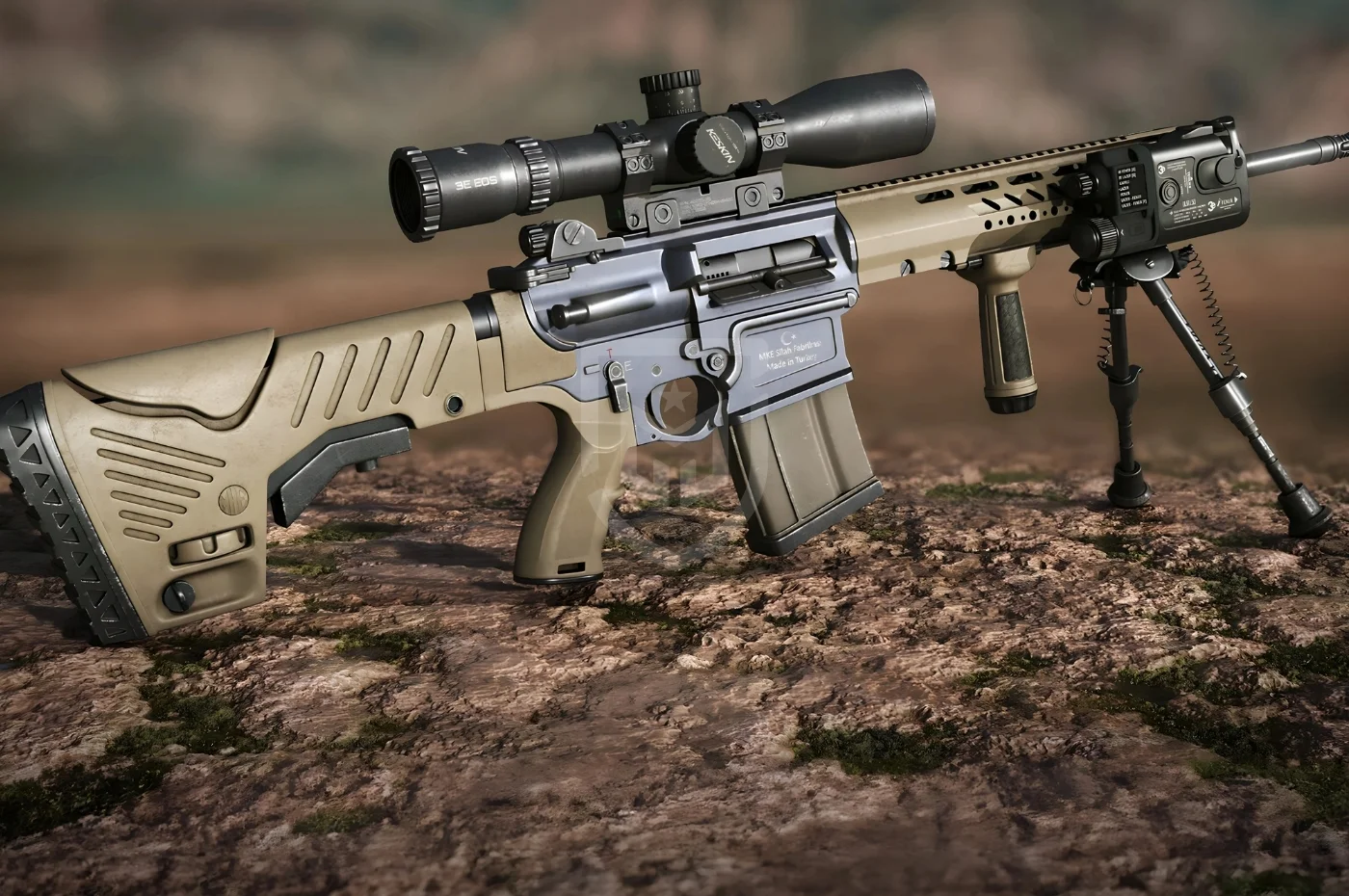
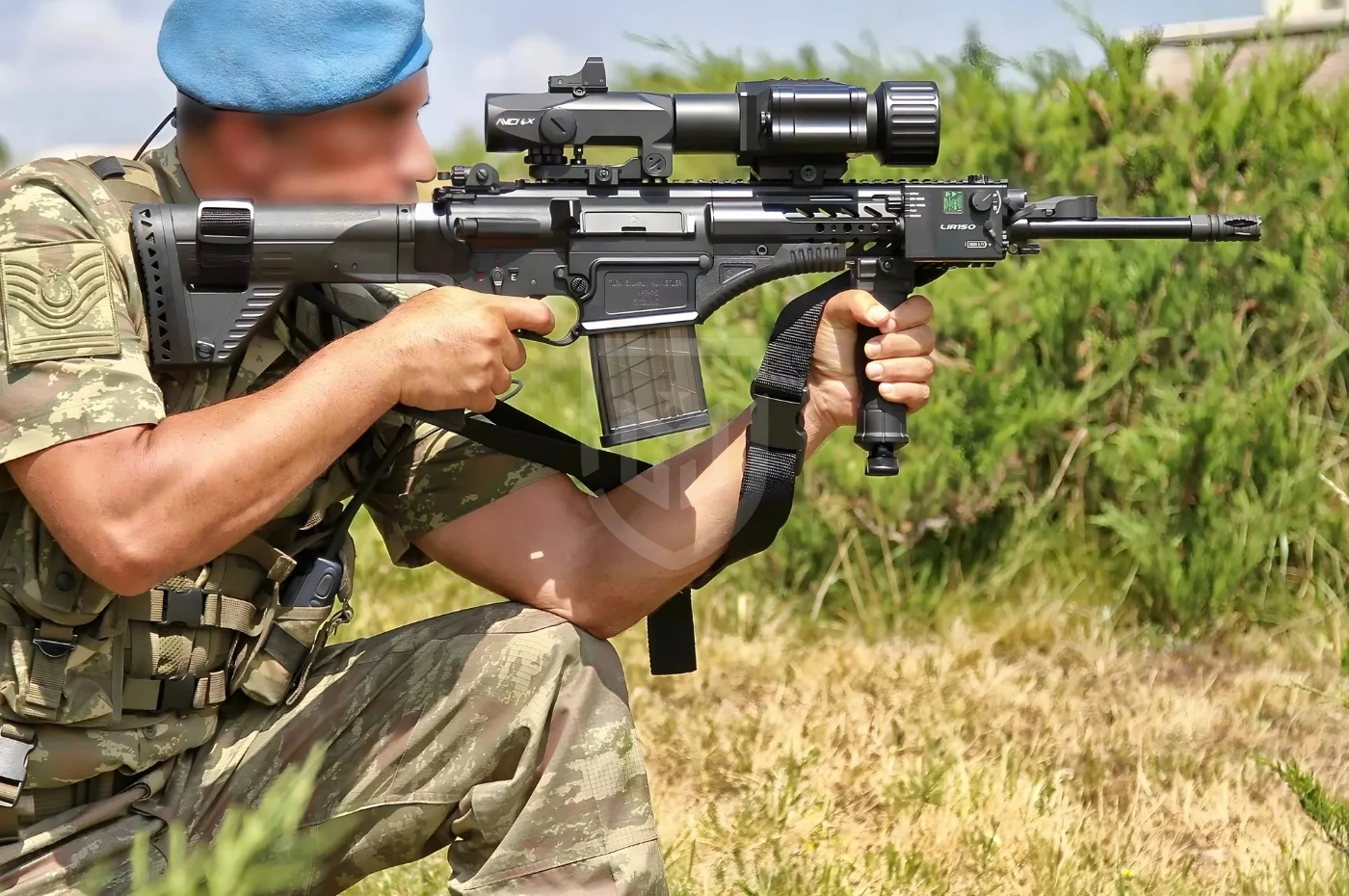
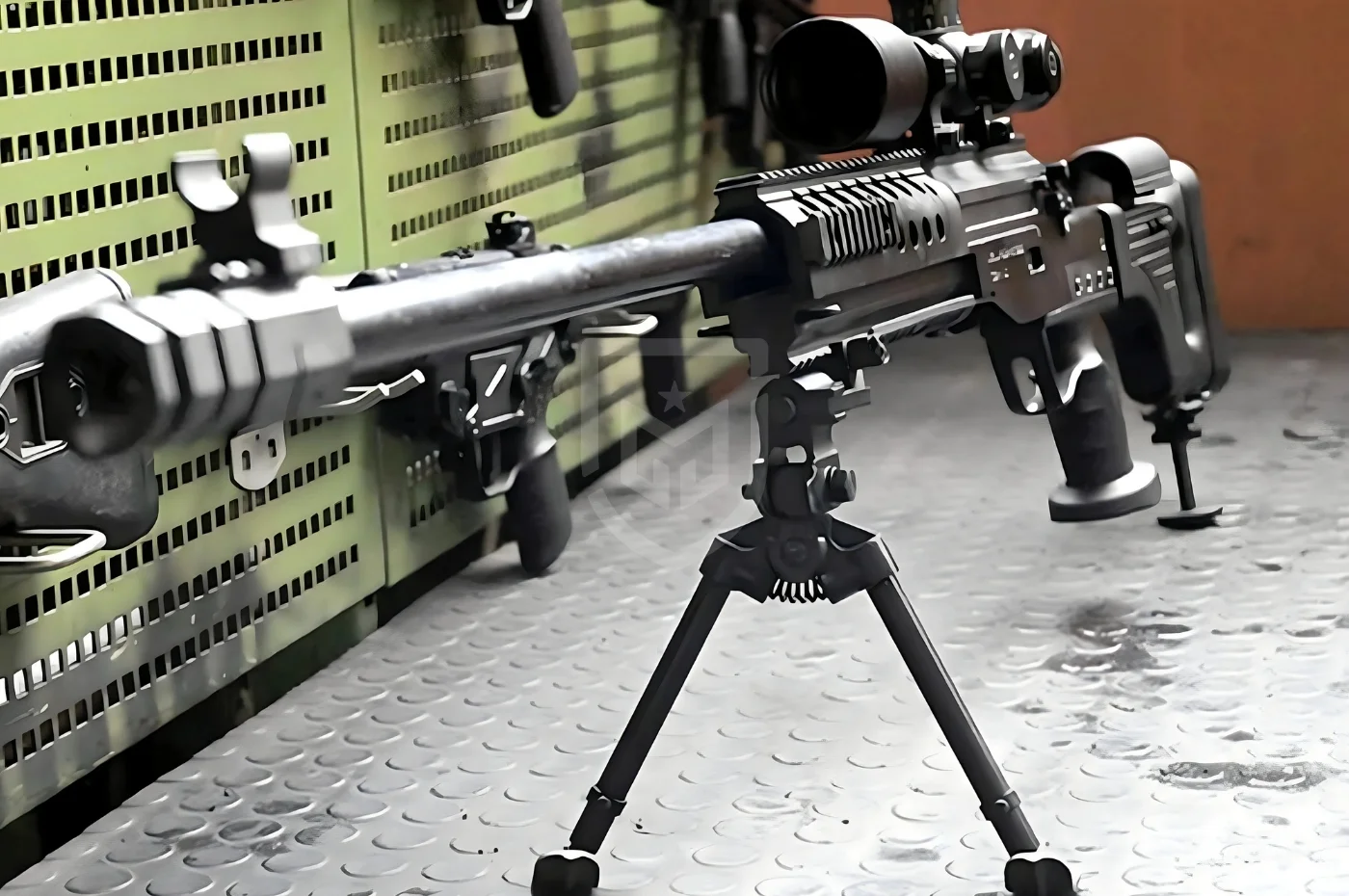
The KNT-76 is not a traditional bolt-action sniper rifle; it is a semi-automatic precision rifle intended for the designated marksman role at squad level. Its doctrinal purpose is to extend the effective engagement range of standard infantry units beyond that of conventional service rifles while maintaining rapid follow-up shot capability.
Operationally, the rifle is optimized for engagements between 300 and 800 meters. It is designed to neutralize enemy personnel, suppress machine gun nests, engage exposed light vehicle components, and provide overwatch in both rural and urban combat environments. Its semi-automatic configuration allows rapid re-engagement of moving or multiple targets without manual cycling, offering a tactical advantage over bolt-action systems in dynamic engagements.
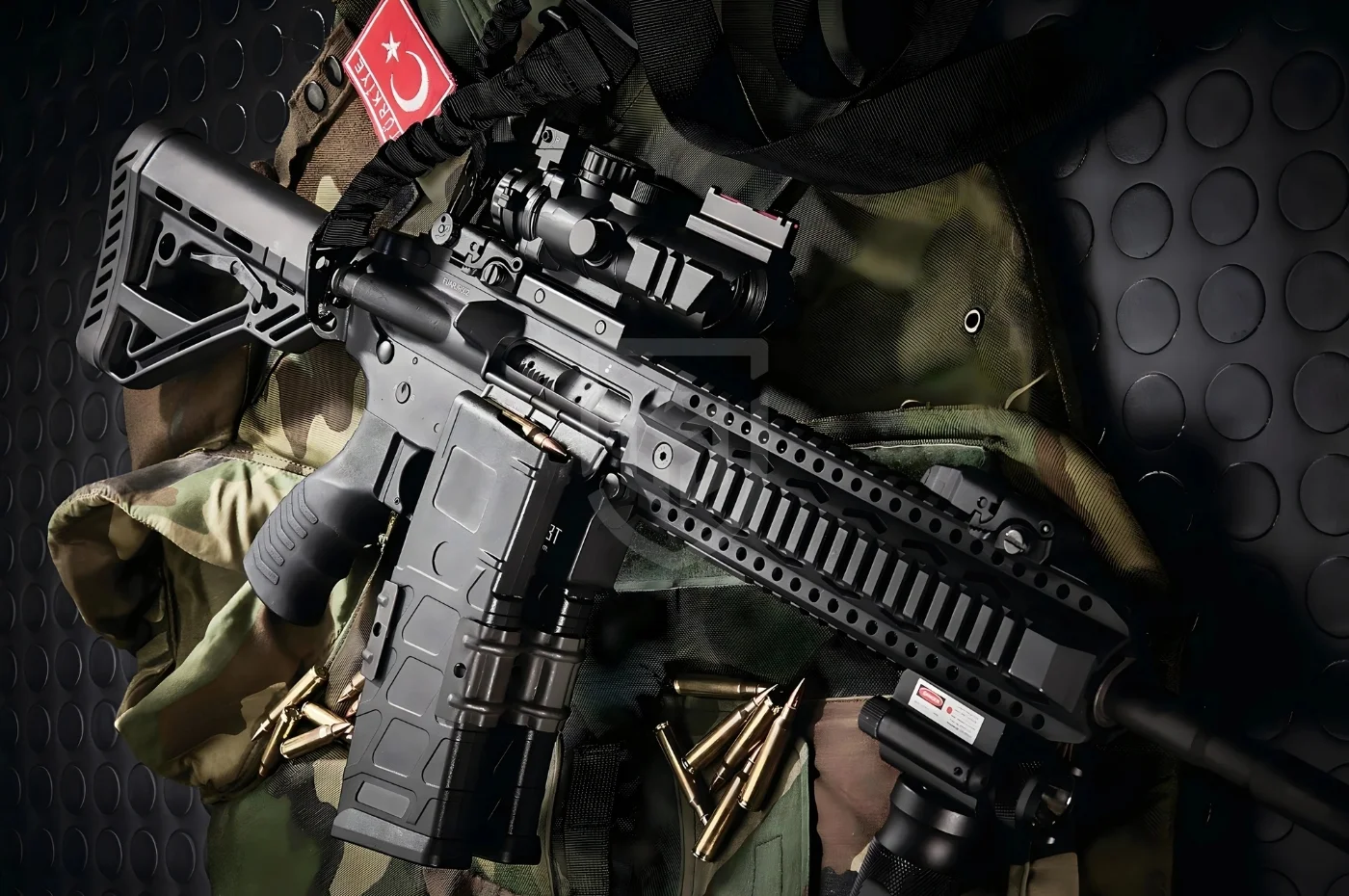
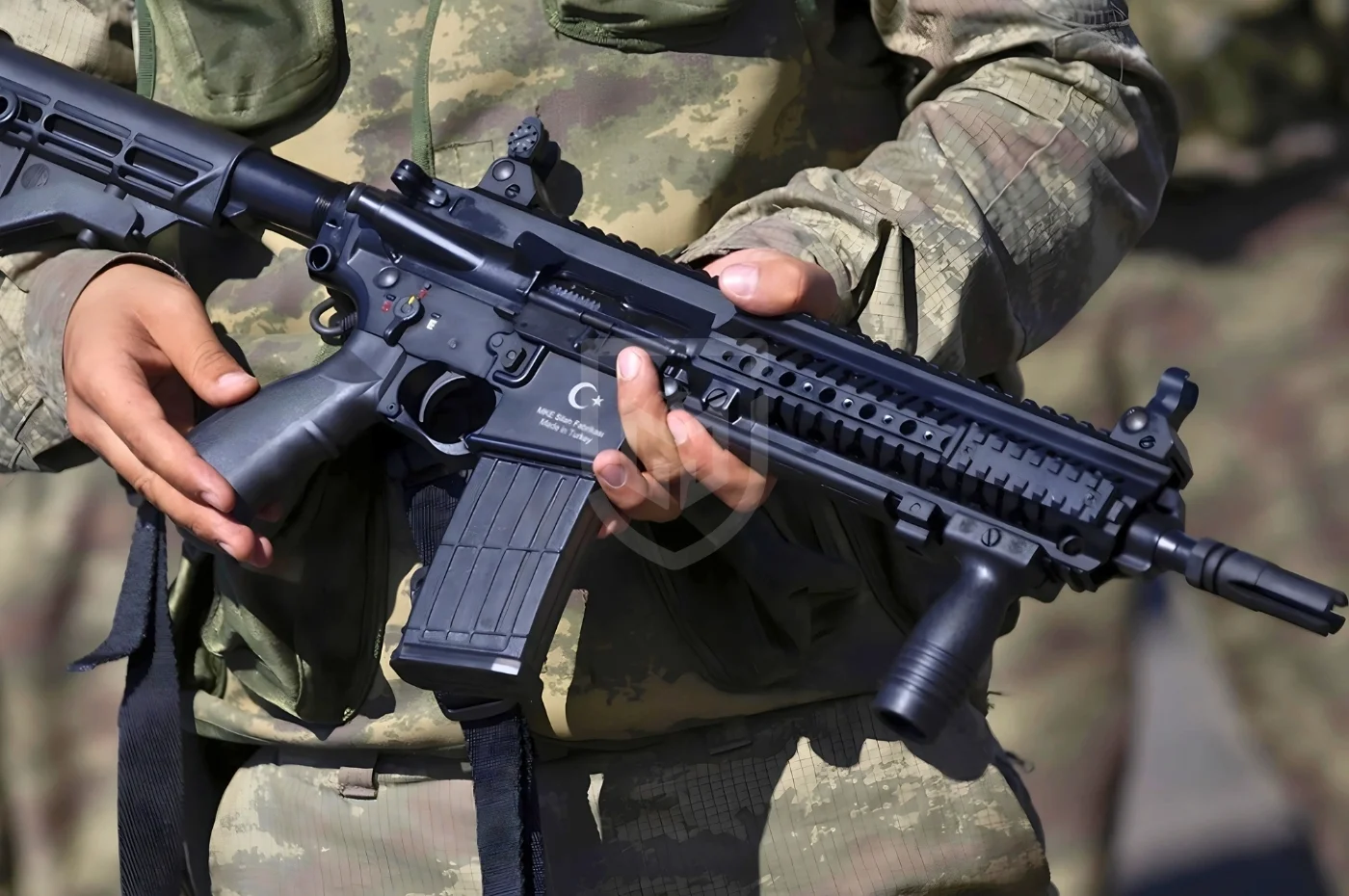
From a platform architecture perspective, the KNT-76 utilizes a gas piston-driven system with a rotating bolt locking mechanism. Compared to direct impingement systems, the gas piston design enhances reliability under adverse conditions such as dust, sand, and mud. High parts commonality with the MPT-76 provides logistical efficiency in maintenance, training, and spare parts management across large-scale units.
The stated 1.5 MOA accuracy represents a high precision level for a mass-produced semi-automatic platform. With an effective range of 800 meters, the system fills the capability gap between standard infantry rifles and dedicated sniper systems. This reduces reliance on specialized sniper teams for mid-range precision engagements.
In terms of survivability and durability, the KNT-76 is built according to military-grade standards. Its robust receiver structure and piston-driven mechanism are intended to maintain operational reliability in harsh environmental conditions. The semi-automatic action also enables the shooter to remain on target for faster second-shot correction and engagement.
In modern threat environments, the key advantages of the KNT-76 include precision, rapid follow-up capability, NATO ammunition standardization, and logistical compatibility within existing infantry rifle families. Its limitation, compared to dedicated long-range sniper rifles, is its shorter maximum effective range and the inherent mechanical tolerances of semi-automatic systems. However, within the designated marksman doctrine, these characteristics represent deliberate design trade-offs.
Publicly available sources do not provide detailed information regarding specific block upgrades or export variants. However, the rifle is known to be structurally derived from the MPT-76 family platform.
Detailed Technical Specifications
Dimensions and Weight
Ammunition and Operating System
Performance Characteristics
Barrel and Ballistics
Trigger System
Ergonomics and Stock
Optics and Accessory Integration
Logistics and Operation
Frequently Asked Questions
What is the KNT-76 used for?
What is the effective range of the KNT-76?
What does 1.5 MOA mean in practical terms?
Is the KNT-76 fully automatic?
How does it differ from the MPT-76?
What types of targets can it effectively engage?
Can it integrate modern optics?
Sources




The cookies used on our website are used to provide you with a better user experience and to improve our website. You can manage your cookie preferences from the options below.