


Air Forces News
Global Developments


BREAKING NEWS
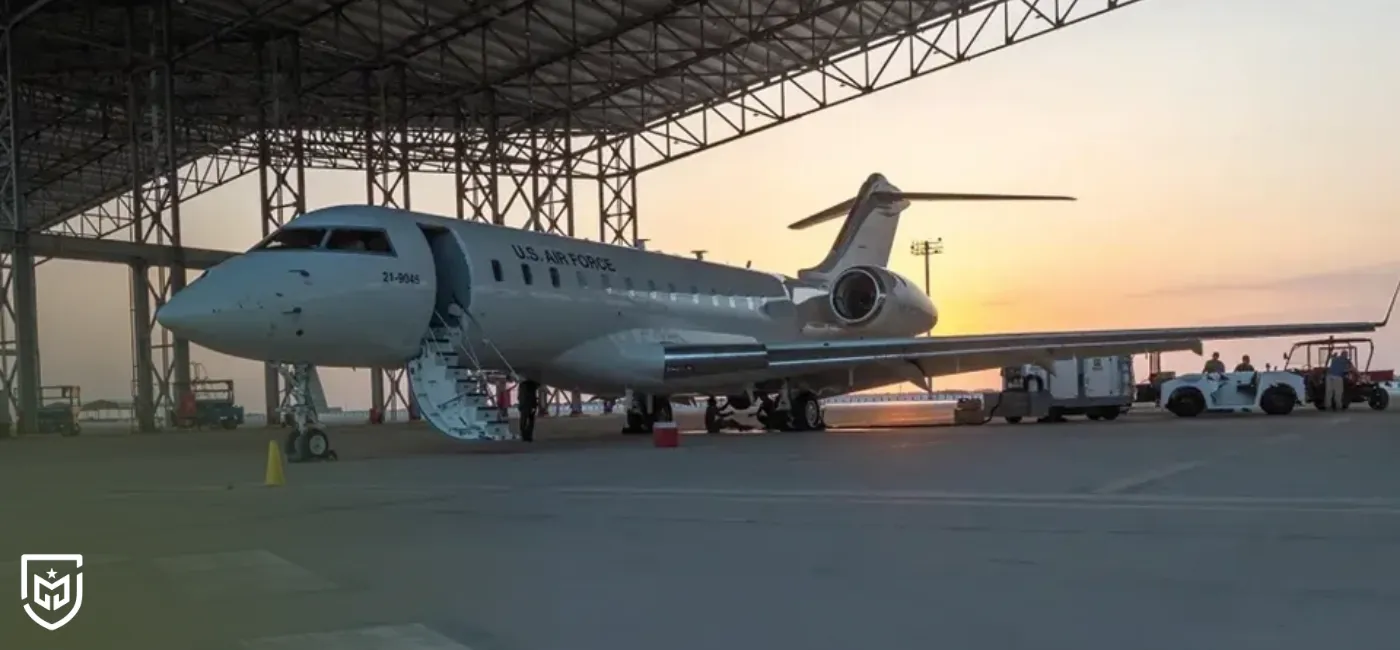
The US Air Force has expanded its airborne communications capabilities with the delivery of a new E-11A BACN aircraft from Bombardier. Based on the Global 6000 platform, the aircraft can fly at high altitudes for up to 12 hours, serving as a critical link between ground and air forces. Equipped with the Battlefield Airborne Communications Node (BACN), the E-11A bridges and translates data across multiple tactical communication systems, overcoming geographic barriers and ensuring uninterrupted information flow during missions.
According to Bombardier Defence, this latest delivery is part of a $465 million contract covering six E-11A aircraft. Jean-Christophe Gallagher, Vice President of Bombardier Defence, highlighted the importance of the delivery, emphasizing the company’s strong partnership with the US Air Force and its role in national security. The new aircraft also replaces an E-11A lost in a previous crash, in which two airmen were killed, further restoring the Air Force’s critical communication capacity.
The BACN system has also been integrated into RQ-4 Global Hawk UAVs, enabling extended high-altitude missions with continuous communication support. This integration ensures that the US Air Force maintains a robust and flexible airborne network for its operations worldwide.
Experts note that the addition of the new E-11A marks a significant step forward in the Air Force’s modernization and operational effectiveness, providing a vital edge in real-time data sharing and decision-making on the battlefield.


The cookies used on our website are used to provide you with a better user experience and to improve our website. You can manage your cookie preferences from the options below.
 Levent Kılıçalan
Post Comment
Comments
No comments yet.
Related News
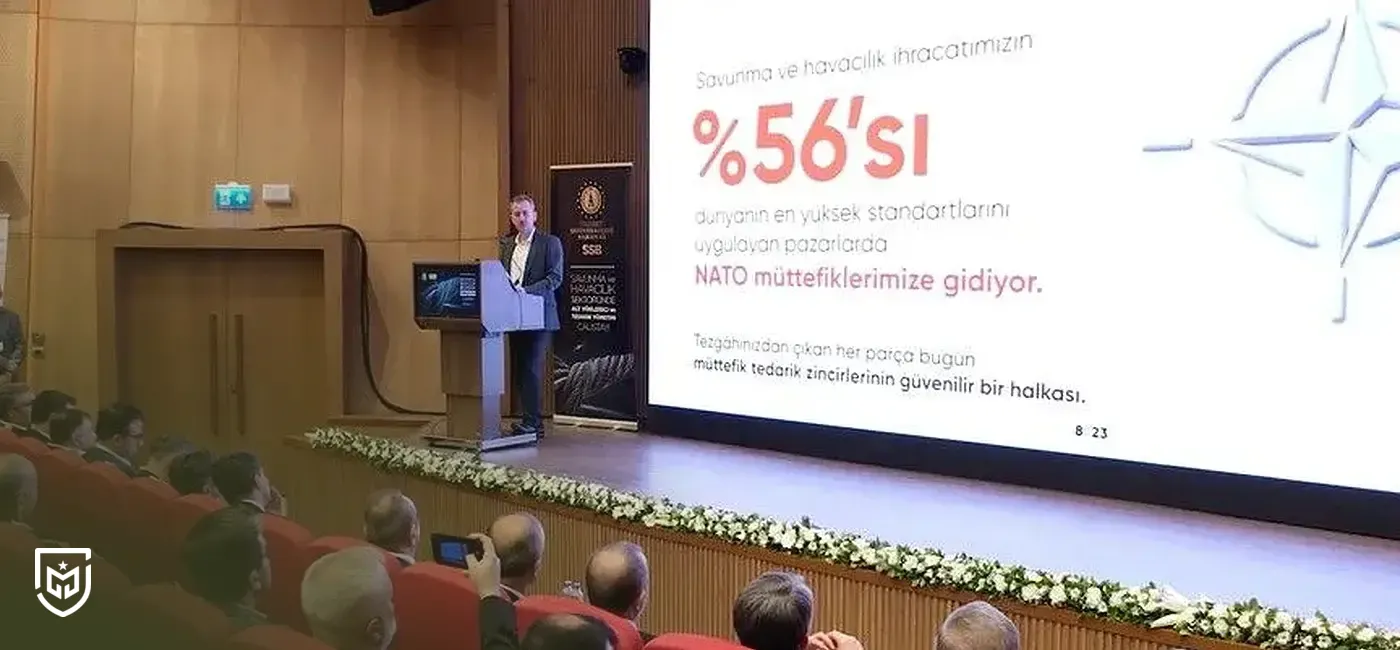
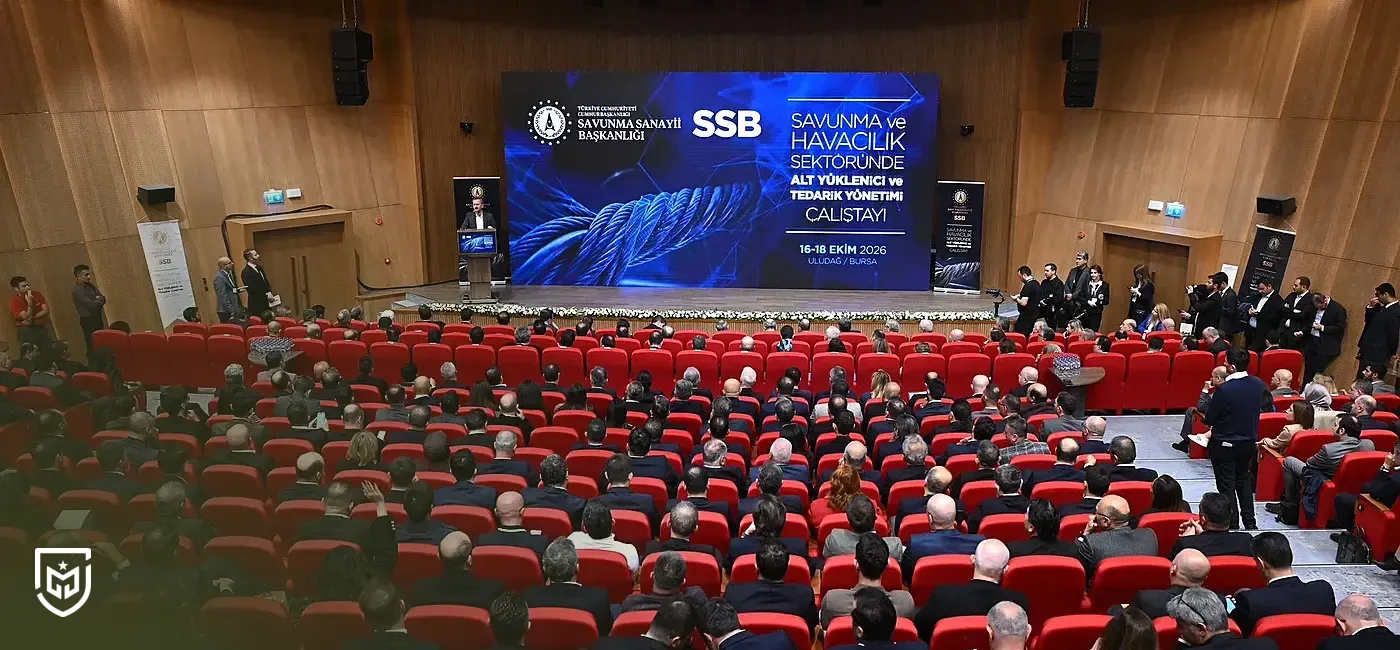
SSB Sector Meeting: Focus on Supply Chain and Production Capabilities
Turkish defense industry signed 15 billion dollars in new contracts in 2026
SSB Hosts Second Supply Chain Strengthening Summit
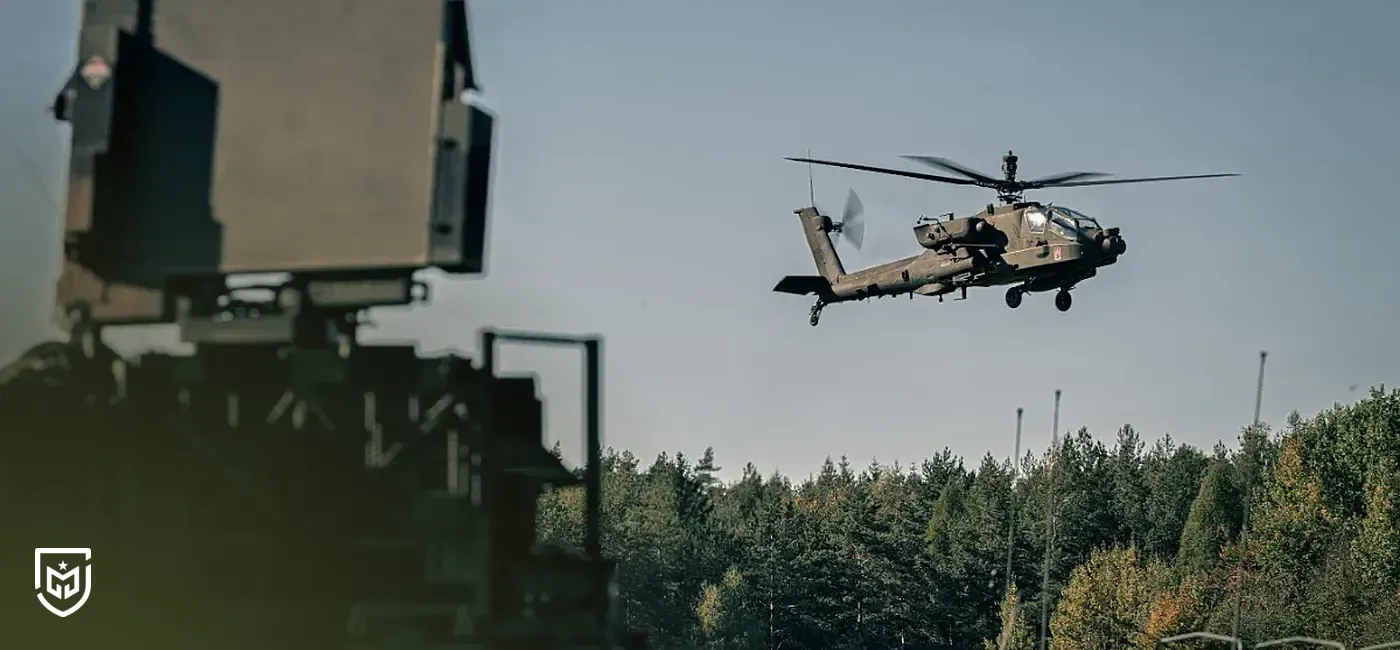
Skyfall II Exercise: U.S. Army Demonstrates UAV Defense Capabilities in Germany
SSB Chief: Transparent Licensing Will Strengthen Defense Cooperation
STM's Swarm UAV System Demonstrates Operational Success at Ateş Serbest-2026
TUSAŞ Kamikaze UAV Systems Achieve Success in Exercise Ateş Serbest-2026
Fire Free-2026 Exercise Successfully Completed