


Air Forces News
Electronic Systems


BREAKING NEWS
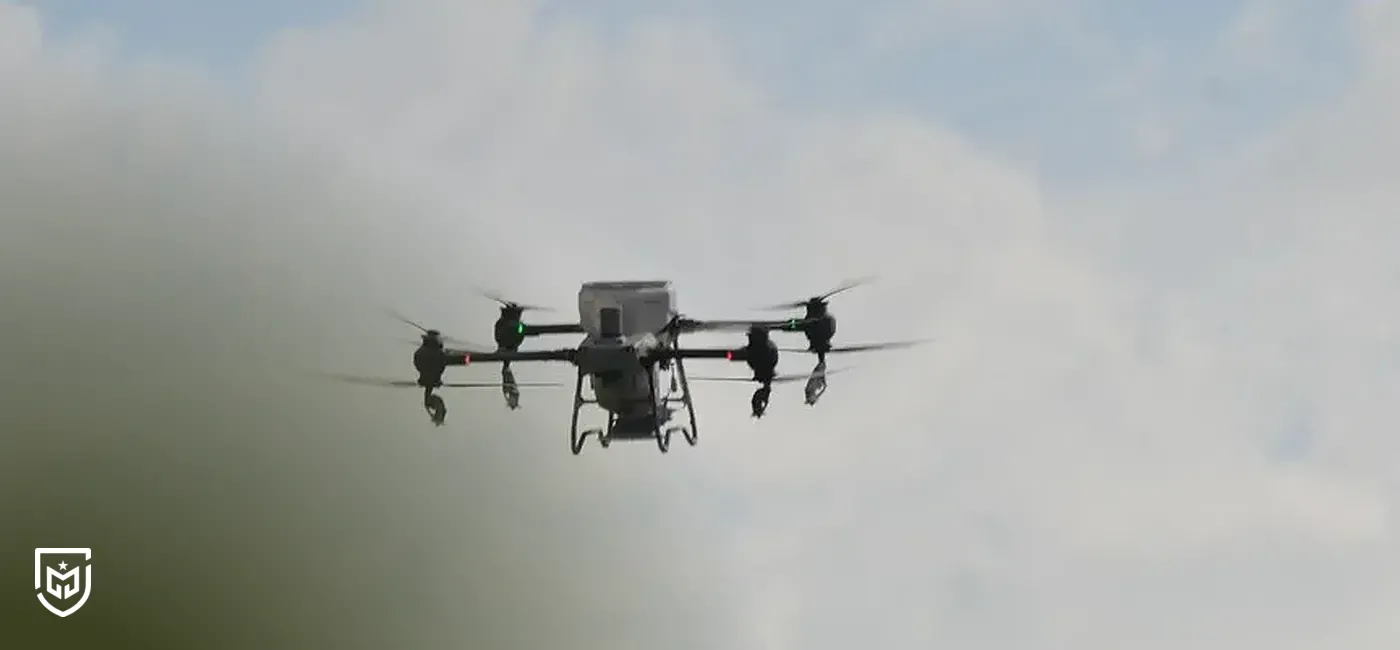
The SHGM (Directorate General of Civil Aviation) has prepared comprehensive regulations to govern the rapidly growing use of unmanned aerial vehicles (UAVs) in Turkish airspace. These regulations establish safety, security, and technical standards covering all aspects of UAV operations—from design and manufacturing to market deployment and operational use. The draft defines three operational categories based on risk level: open, specific, and certified. Certified-category aircraft will be permitted to operate over crowds and carry human passengers or hazardous materials. Foreign-registered UAVs will require flight permits issued at least 20 days in advance.
The UAV Traffic Management and Monitoring System (İHATTYS), to be established by SHGM, will create a centralized control mechanism. The system will monitor real-time location and flight status data for registered aircraft, publish geographic zone information to operators in machine-readable digital format, and provide continuous updates. Flight permit applications, approvals, and cancellations will be recorded online and documented. Conflict detection will alert operators when multiple UAVs request the same airspace simultaneously. Agricultural UAV operations authorized by the Ministry of Agriculture will require only notification through the system, with no additional operational authorization needed in designated green zones.
For Turkish defense and civil aviation sectors, this regulation modernizes the legal and technical infrastructure of the UAV ecosystem. The centralized monitoring system will enable effective airspace management, prevent conflicts, and enable rapid response in emergencies. Certification and registration mechanisms will raise professional standards and safety compliance across the industry. The separate categorization of agricultural UAV operations reflects Turkey's intensive use of UAVs in agricultural technology. Globally, civil UAV regulations—in the EU, United States, and Canada—employ similar centralized monitoring and certification models; Turkey's approach aligns with these international standards. Privacy and counterterrorism safeguards strengthen both civilian and military aviation security. Operator certification requirements and age restrictions (minimum 16 years) establish industry-wide professional standards.
Civil UAV regulations worldwide have evolved significantly over the past decade. The European Union implemented comprehensive UAV regulations in 2021; the U.S. FAA has developed similar centralized traffic management systems. Turkey's regulatory framework reflects alignment with international best practices. Certification, registration, and permitting mechanisms parallel those used by NATO allies. The designation of agricultural UAV operations as a separate category reflects Turkey's substantial reliance on UAVs in farm technology and crop management. These standards support the professionalization of the UAV sector and ensure interoperability with allied nations' airspace management systems.
Violations of the regulations will incur administrative penalties and potential revocation of operational authorization. Criminal violations will be reported to the public prosecutor. SHGM may restrict or revoke certificates for operators found non-compliant during safety inspections. These enforcement mechanisms will establish a culture of compliance and discipline throughout the sector. Foreign pilot license recognition will be evaluated under reciprocity principles and international treaties, promoting international cooperation and standardized practices. The regulatory framework supports Turkey's advancement in UAV technology and strengthens its competitive position in the international market.


The cookies used on our website are used to provide you with a better user experience and to improve our website. You can manage your cookie preferences from the options below.
 Murat Yılmaz
Post Comment
Comments
No comments yet.
Related News
KAAN Fighter Jet's New Prototype Begins Taxi Tests
KAAN Fighter Jet Completes Pre-Flight Taxi Test Successfully
BAE Systems and Lockheed Martin Unveil Blizzard Multi-Mission Unmanned Aircraft
Anduril's Ohio Facility Produces First YFQ-44A Fury Unmanned Combat Aircraft
South Korea's envoy highlights KAAN fighter jets as cornerstone of defense partnership with Türkiye
ASELSAN's Electro-Optical System Integrated into South Africa's Mwari Aircraft
TAI Chief: Turkey Shaping NATO's Future Security Architecture
Anduril Thunder: Autonomous Attack Helicopter with Level 5 Autonomy Capabilities