

Air Forces News


BREAKING NEWS
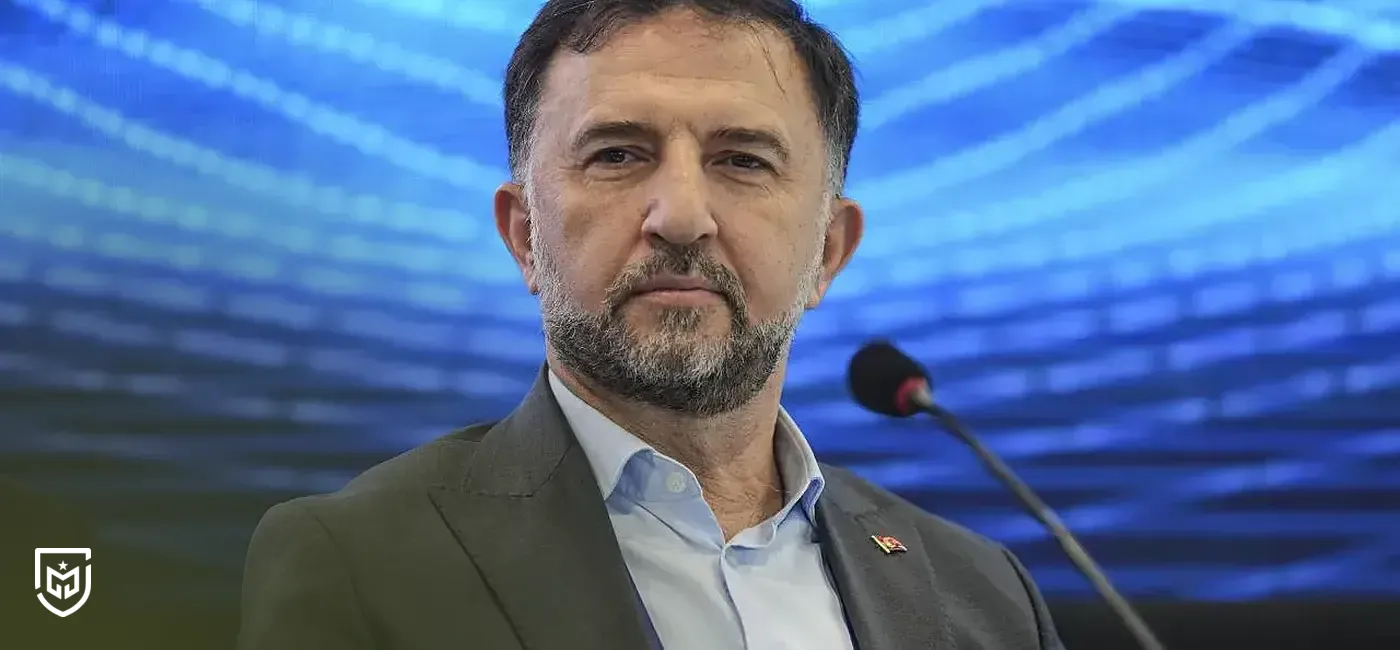
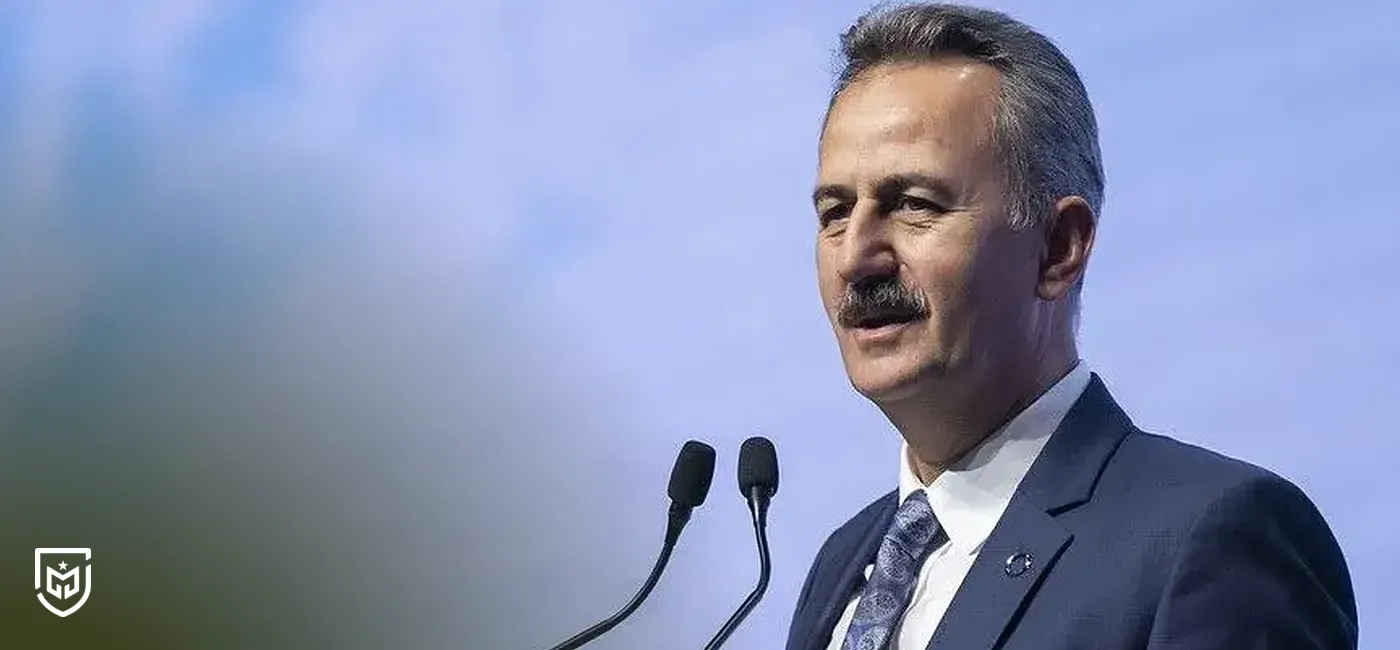
TUSAŞ General Manager Mehmet Demiroğlu delivered remarks at the "Rising Turkey's Aviation and Defense Technology" conference at the Turkish Embassy in Berlin, outlining the global achievements and strategic vision of the Turkish defense industry ecosystem. Demiroğlu traced TUSAŞ's evolution from its modest 1973 founding to its transformation into a fully domestic entity in 2005, emphasizing that the company has developed 13 indigenous platforms over the past two decades, encompassing manned and unmanned aircraft, helicopters, and space projects.
TUSAŞ operates from a 4-million-square-meter campus in Ankara Kahramankazan with a workforce of 16,300 personnel. Demiroğlu noted that this dynamic team, with an average age of 34, maintains offices across multiple global regions and is pursuing expansion plans in Africa, particularly in Nigeria. The company's strengthened position in the global aviation market reflects a parallel advancement strategy spanning both civilian and military sectors. TUSAŞ ranks among the world's largest suppliers of structural components for Airbus and Boeing, serving as the sole producer for certain critical parts. Demiroğlu stated, "Nearly every Airbus aircraft in flight carries a TUSAŞ component," underscoring the company's strategic role in civil aviation.
Demiroğlu emphasized that Turkey holds a significantly more advanced position than Europe in sixth-generation combat aircraft development. He noted that while Europe discusses projects such as Tempest and FCAS, France, Germany, Spain, and the United Kingdom have not yet formally initiated their programs. Turkey, by contrast, achieved the status of the fourth nation capable of this technology through KAAN's successful maiden flight on February 21, 2024. This achievement has accelerated efforts to modernize the Turkish Air Force's F-16-based strike capability with indigenous and national systems. The KAAN program demonstrates the maturation of Turkey's design, software, avionics, and integration capabilities.
TUSAŞ's strategic vision in space technologies is embodied in the space center established in Somalia. Demiroğlu stated that as global space competition intensifies, launch service bottlenecks will emerge, and this investment will provide Turkey with launch independence. Space-based sensors and satellite technology form fundamental components of modern defense systems. TUSAŞ's investment in this domain aligns with the Turkish defense industry ecosystem's independence objectives. Demiroğlu emphasized that the loss of skilled workforce experienced in the early 2020s has reversed, with returning engineers now outnumbering those departing.
Demiroğlu advised young engineers that the aviation sector demands patience and perseverance, with success arriving after repeated attempts and failures. He invited overseas engineers to return to Turkey and participate in YTB internship programs, urging them to set clear goals, take concrete steps, and embrace courage. Demiroğlu stressed that success depends fundamentally on human capital and robust infrastructure, noting that TUSAŞ operates Europe's second-largest subsonic wind tunnel. He encouraged talented individuals to develop themselves such that when their field of expertise is discussed globally, they become the first name that comes to mind.


The cookies used on our website are used to provide you with a better user experience and to improve our website. You can manage your cookie preferences from the options below.
 Tolga Demirel
Post Comment
Comments
No comments yet.
Related News
Skyfall II Exercise: U.S. Army Demonstrates UAV Defense Capabilities in Germany
STM's Swarm UAV System Demonstrates Operational Success at Ateş Serbest-2026
TUSAŞ Kamikaze UAV Systems Achieve Success in Exercise Ateş Serbest-2026
Fire Free-2026 Exercise Successfully Completed
Spain Plans to Purchase 15 Additional Hürjet Advanced Trainers
Baykar platforms demonstrated capabilities at Ateş Serbest-2026 exercise
Turkey and Spain to Develop Joint Version of Hürjet Aircraft
Unmanned Naval and Aerial Vehicles Demonstrated Integrated Command Control Coordination