

Land Forces News
Electronic Systems


BREAKING NEWS
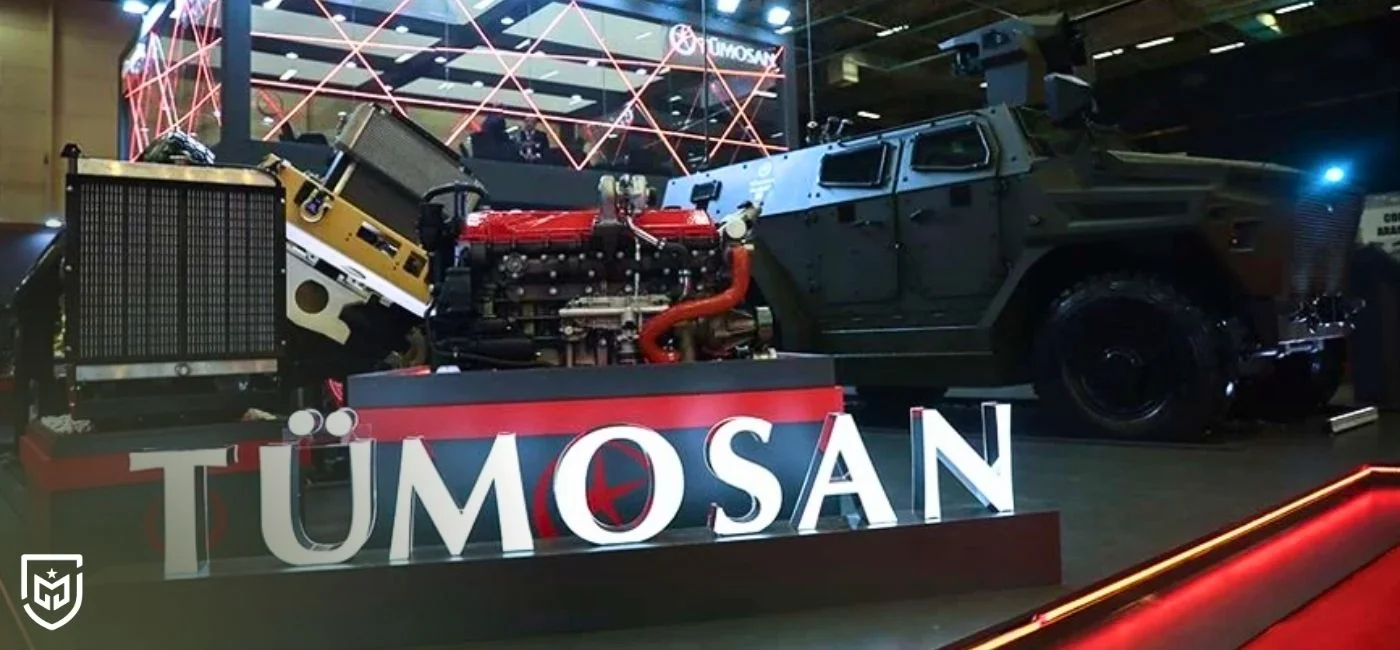
TÜMOSAN General Manager Kurtuluş Öğün evaluated the significant contributions that the Powerpack Development Project will bring to Turkey’s defense industry. Highlighting that the ALTAY main battle tank prototypes were tested with imported engines and transmissions, Öğün noted that export restrictions imposed by supplier countries created various obstacles. To eliminate these dependencies, Turkey has launched a strategic transformation with a fully indigenous powerpack initiative led by the Undersecretariat for Defense Industries.
Emphasizing that diesel engines and transmissions are the most critical components in defense vehicles, Öğün stated that developing these systems entirely with national capabilities would elevate Turkey to a new technological level. He added that domestic production will prevent costly imports, generate economic savings, and strengthen the country’s competitiveness in the global defense market.
Although TÜMOSAN is already one of Turkey's key diesel engine manufacturers, Öğün pointed out that some critical components still rely on foreign suppliers. However, with the subprojects planned under the powerpack program, essential parts such as the electronic control unit, injectors, and fuel pumps could also be produced locally. This would enable the creation of a fully independent, 100% indigenous powerpack. Öğün underlined TÜMOSAN’s determination to achieve this goal and confirmed that technological development activities are progressing rapidly.
According to Öğün, the project not only aims to reduce foreign dependency in Turkey’s defense vehicles but also strengthens the nation’s technological development capacity. The indigenous engine and transmission initiative represents a strategic milestone for the future of the Turkish defense industry.TÜMOSAN General Manager Kurtuluş Öğün evaluated the significant contributions that the Powerpack Development Project will bring to Turkey’s defense industry. Highlighting that the ALTAY main battle tank prototypes were tested with imported engines and transmissions, Öğün noted that export restrictions imposed by supplier countries created various obstacles. To eliminate these dependencies, Turkey has launched a strategic transformation with a fully indigenous powerpack initiative led by the Undersecretariat for Defense Industries.
Emphasizing that diesel engines and transmissions are the most critical components in defense vehicles, Öğün stated that developing these systems entirely with national capabilities would elevate Turkey to a new technological level. He added that domestic production will prevent costly imports, generate economic savings, and strengthen the country’s competitiveness in the global defense market.
Although TÜMOSAN is already one of Turkey's key diesel engine manufacturers, Öğün pointed out that some critical components still rely on foreign suppliers. However, with the subprojects planned under the powerpack program, essential parts such as the electronic control unit, injectors, and fuel pumps could also be produced locally. This would enable the creation of a fully independent, 100% indigenous powerpack. Öğün underlined TÜMOSAN’s determination to achieve this goal and confirmed that technological development activities are progressing rapidly.
According to Öğün, the project not only aims to reduce foreign dependency in Turkey’s defense vehicles but also strengthens the nation’s technological development capacity. The indigenous engine and transmission initiative represents a strategic milestone for the future of the Turkish defense industry.


The cookies used on our website are used to provide you with a better user experience and to improve our website. You can manage your cookie preferences from the options below.
 Rabia Kılıç
Post Comment
Comments
No comments yet.
Related News
ASELSAN KORKUT 25 UAV Countermeasure System Achieves Test Success
China elevates private sector in critical technology strategy
MKE TOLGA Laser System Successfully Destroys Drone Target
Turkish defense firms ban foreign electric vehicles from campuses
Germany denies claims of MGCS tank project withdrawal
Thales Introduces HexaForce AI-Powered Command and Control System to Gulf Region
ÇEPNI Tactical UAV Family Enters Operational Service
ASELSAN's Drone-Hunting System Completes Successful Demonstration