


Air Forces News
Global Developments


BREAKING NEWS

U.S. President Donald Trump signaled during a White House meeting with NATO Secretary-General Mark Rutte that a potential breakthrough could occur regarding Turkey's requests for F-35 fighter jets and engines for its indigenous KAAN fighter aircraft program. Speaking to reporters, Trump stated he would "probably do something" to make Turkey happy, implying a positive response to Ankara's demands ahead of the NATO summit scheduled for July 7-8 in Ankara. Trump emphasized Turkey's NATO membership, describing it as "very strong" and highlighting the country's strategic importance to the alliance.
Turkey was excluded from the U.S.-led multinational F-35 program in 2019 following its purchase of Russia's S-400 air defense systems. Since then, Ankara has consistently characterized this decision as unjust and expressed hope that the issue could be resolved during Trump's second term. President Recep Tayyip Erdoğan has stressed that Turkey's reentry into the F-35 program is critical for NATO security. The engine issue concerns technology produced by General Electric, which is essential for powering Turkey's first indigenous combat jet, KAAN, launched in 2016 as part of Ankara's broader effort to reduce dependence on foreign defense technology.
The KAAN project represents a cornerstone of Turkey's strategic initiative to develop and manufacture its own defense technologies, reducing external dependencies. Designed with fifth-generation stealth capabilities, KAAN is expected to replace the Turkish Air Force's aging F-16 fleet beginning in the 2030s. The acquisition of engine technology is vital to the program's timely completion and operational deployment. This initiative reflects Turkey's commitment to strengthening its indigenous defense industrial base and achieving greater self-sufficiency in critical military capabilities.
Over the past two decades, Turkey has faced repeated arms embargoes, which prompted the country to significantly expand its domestic defense manufacturing capabilities. Today, Turkey designs and produces a wide range of defense systems domestically, including unmanned aerial vehicles, missiles, naval vessels, and ground vehicles. This localization effort has accelerated technological development at Turkish defense companies such as ASELSAN, ROKETSAN, TUSAŞ, and Baykar, enhancing the sector's international competitiveness. The KAAN program exemplifies Turkey's defense industry vision for achieving technological independence and has become a symbol of the nation's commitment to self-sufficiency in advanced military platforms.
In the international defense market, fifth-generation combat aircraft include the U.S. F-35 Lightning II, Russia's Su-57, and China's J-20. Turkey's KAAN program is significant in demonstrating the country's technological capabilities within this competitive global environment. Trump's positive signals toward Turkey reflect efforts to strengthen NATO cohesion and improve U.S.-Turkey relations. Given Turkey's strategic role in the Eastern Mediterranean and Middle East, reentry into the F-35 program and access to engine technology are important for normalizing bilateral relations and enhancing NATO's operational effectiveness in the region.


The cookies used on our website are used to provide you with a better user experience and to improve our website. You can manage your cookie preferences from the options below.
 Tolga Demirel
Post Comment
Comments
No comments yet.
Related News
Germany denies claims of MGCS tank project withdrawal
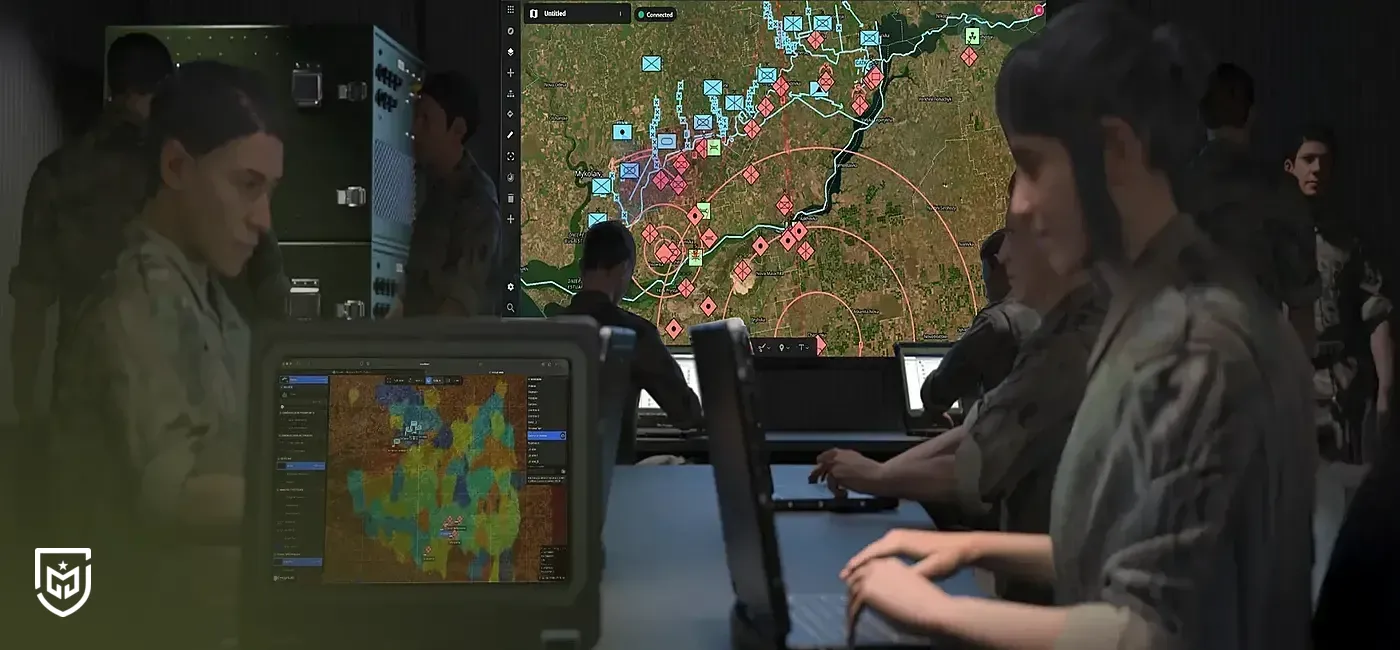
Thales Introduces HexaForce AI-Powered Command and Control System to Gulf Region
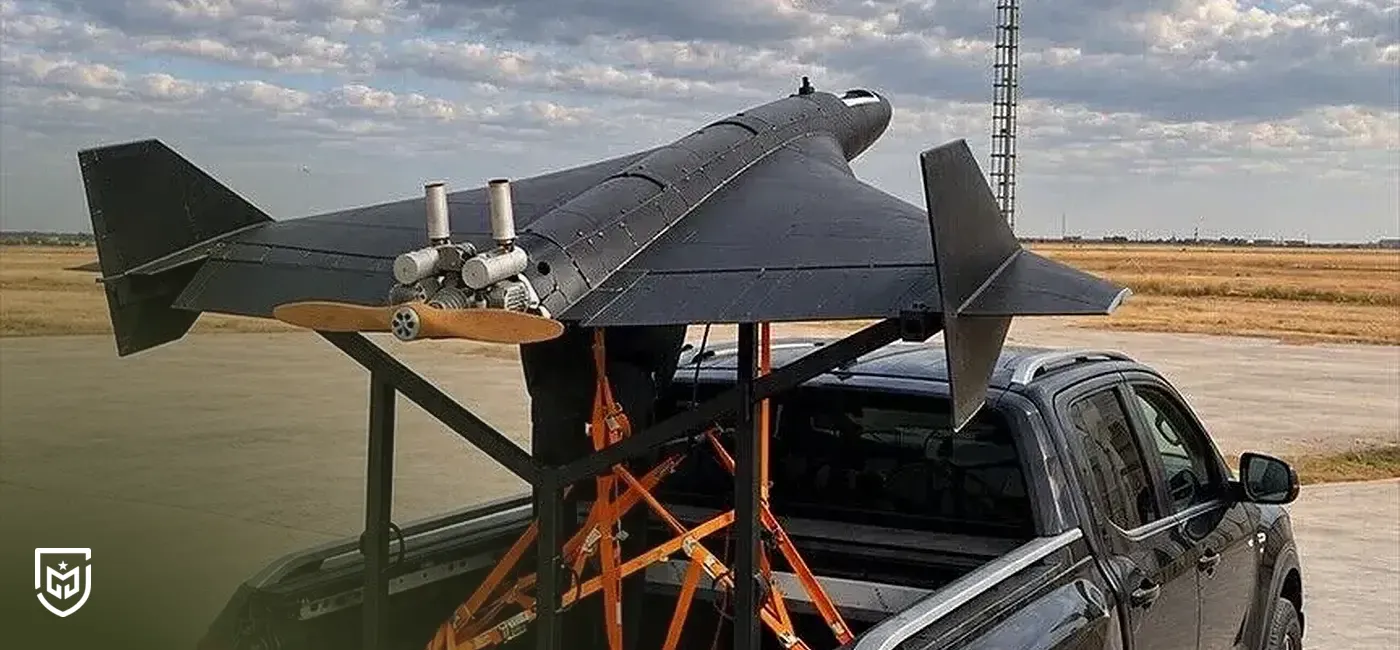
ÇEPNI Tactical UAV Family Enters Operational Service
ASELSAN's Drone-Hunting System Completes Successful Demonstration
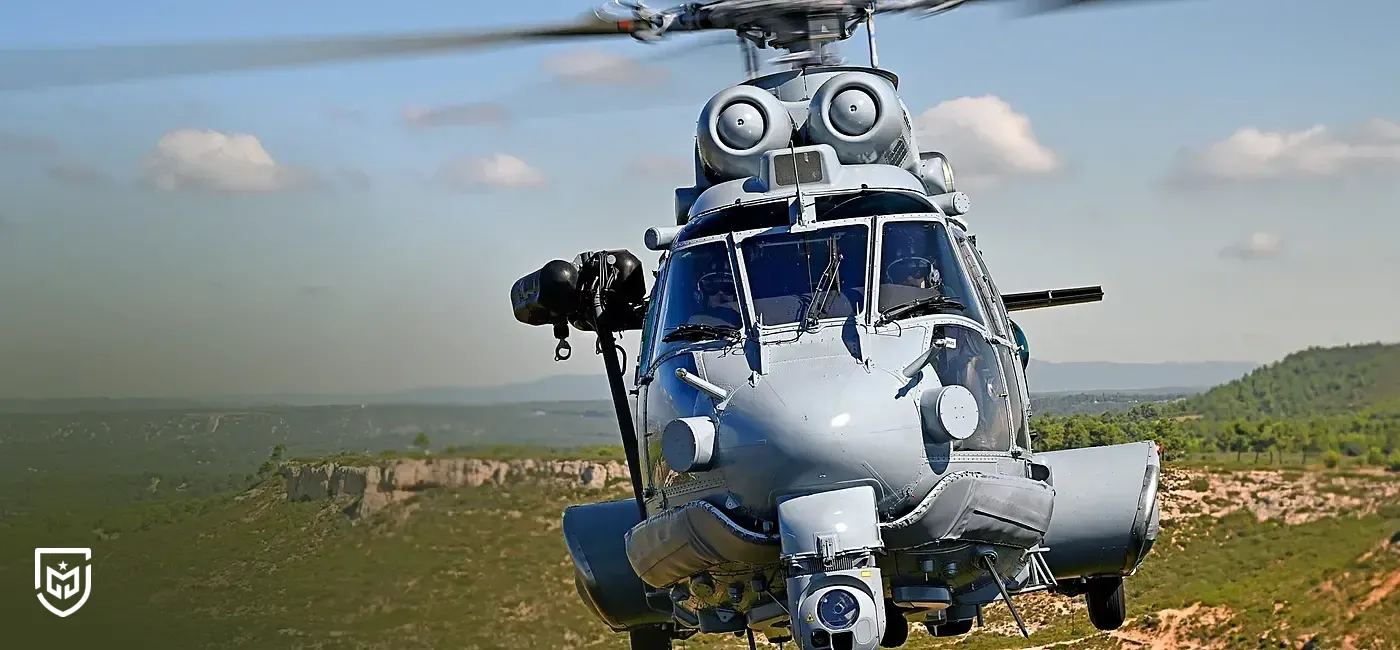
Romania Signs Contract for Airbus H225M Helicopter Procurement
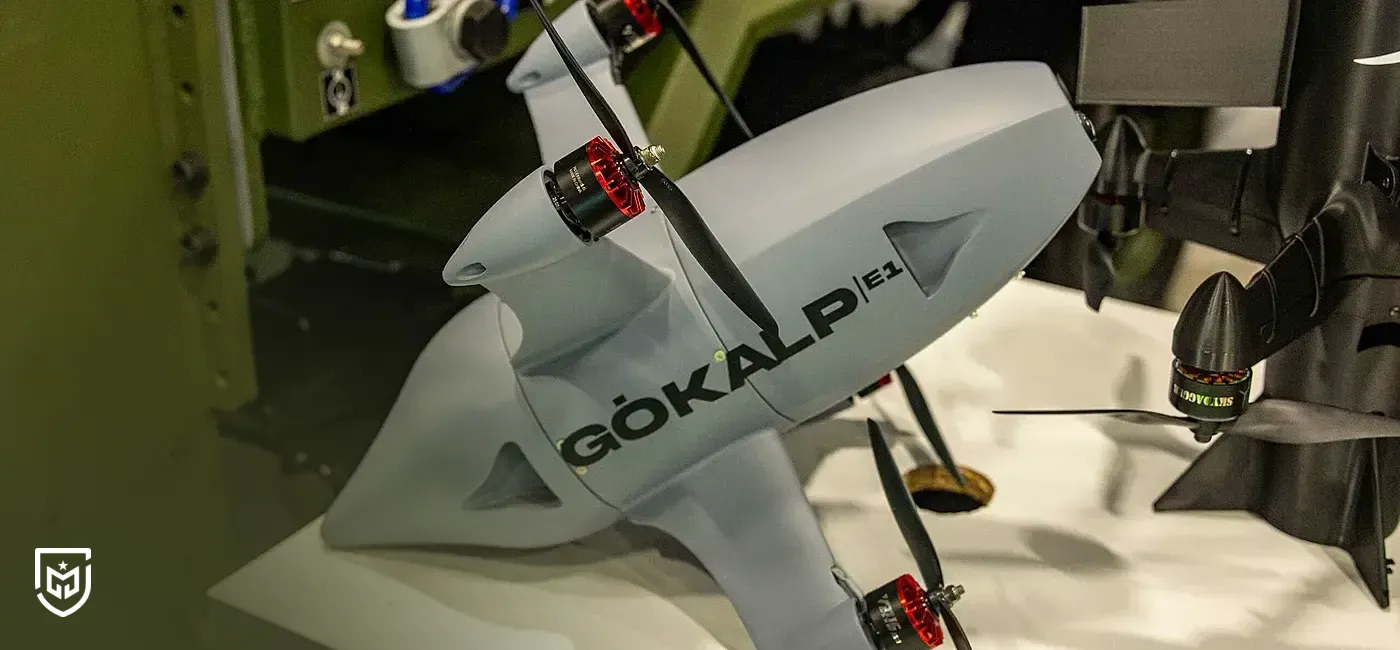
ASELSAN's GÖKALP drone defense system completes successful demonstration
Ari Arms begins OR-4 rifle production in Azerbaijan
AKINCI UAV Successfully Tested with MORFOZ Guidance Kit