

Missiles and Rockets
Global Developments


BREAKING NEWS
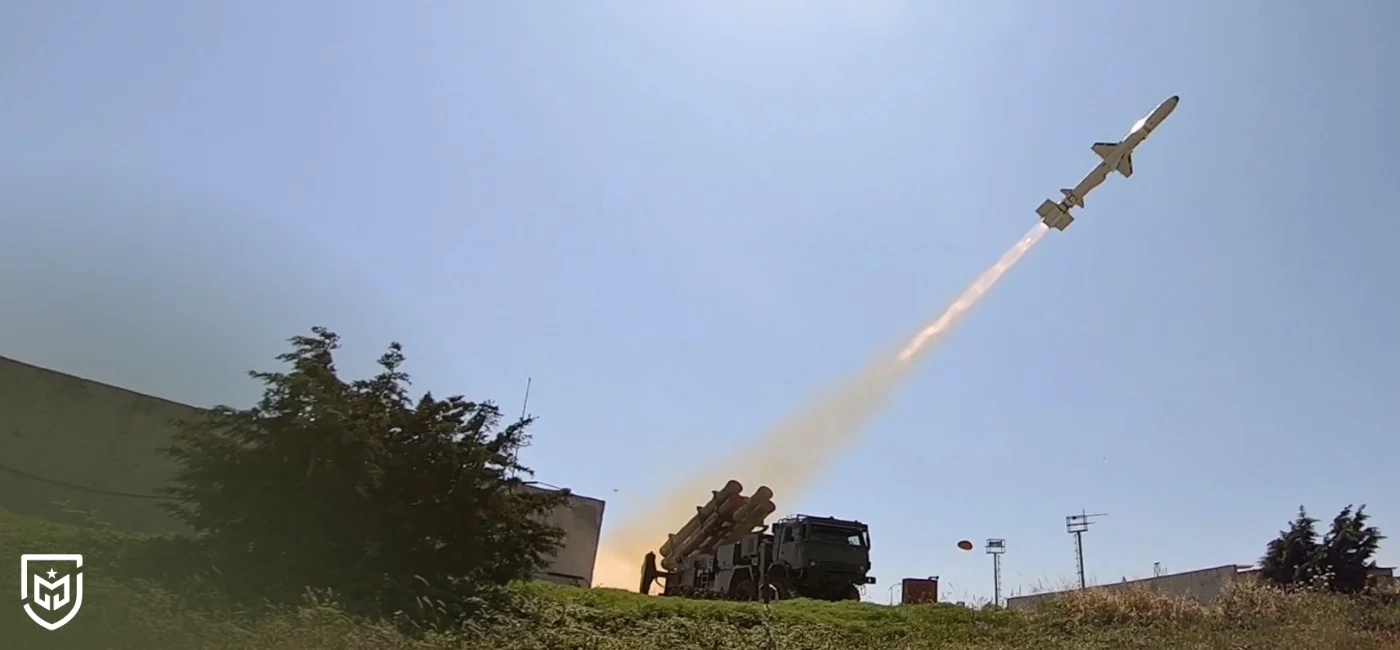
Türkiye continues to reinforce its position in the defense industry with major advances in missile and rocket technologies, and the latest statements from ROKETSAN underline the country’s determination to further expand this capability. Prof. Dr. Faruk Yiğit, Rector of Bolu Abant İzzet Baysal University and Chairman of the Board of ROKETSAN, stated that Türkiye is preparing to elevate its deterrence power with a new generation of indigenous missile systems.
Speaking to journalists about the company’s production and development activities, Yiğit said ROKETSAN is steadily improving both its manufacturing and design capabilities. He emphasized that the company has many products already revealed to the public, as well as others that remain undisclosed. According to Yiğit, these confidential projects are also part of Türkiye’s long-term defense vision and are expected to create a significant strategic impact when introduced.
One of the key points in Yiğit’s remarks was the role of uncertainty in deterrence. He stressed that one of the most essential elements of defense deterrence is “the unknown,” adding that ROKETSAN has important systems capable of creating a surprise effect, inspiring confidence among allies and concern among adversaries. He noted that some of these products are already in the inventory, some are about to enter service, and others are still under active development. This process, he said, will continue in the coming years.
Yiğit also highlighted ROKETSAN’s global reach, pointing out that the company produces at world standards and exports to more than 40 countries. This export performance reflects not only the growing maturity of Türkiye’s indigenous defense industry but also its increasing competitiveness in international markets. The combination of domestic capability and export success has made Turkish missile systems more visible and influential on the global stage.
In addition, Yiğit stated that ROKETSAN will continue unveiling new products at defense exhibitions and industry events, including SAHA Expo. These launches are expected to demonstrate Türkiye’s technological progress in missile systems and showcase its latest defense solutions to both domestic and foreign stakeholders. Such systems are likely to enhance the operational flexibility of the Turkish Armed Forces while contributing to the country’s broader strategic deterrence posture.
Another important aspect of Yiğit’s comments focused on Bolu’s potential role in defense industry production. He said initiatives are underway to explore how sustainable manufacturing and defense-related industrial activity can be developed in the province. With its strategic location between Istanbul and Ankara and its strong logistical advantages, Bolu could emerge as a valuable center for future defense industry investments and partnerships.
Türkiye’s investment in indigenous missile programs is not merely a matter of military modernization; it is also a reflection of the country’s broader goal of strategic independence. Through ROKETSAN’s current and future projects, Türkiye is strengthening its national defense infrastructure and opening the door to a new era of deterrence built on domestic technology and advanced missile capabilities.


The cookies used on our website are used to provide you with a better user experience and to improve our website. You can manage your cookie preferences from the options below.
 Süheyla Yıldız
Post Comment
Comments
No comments yet.
Related News
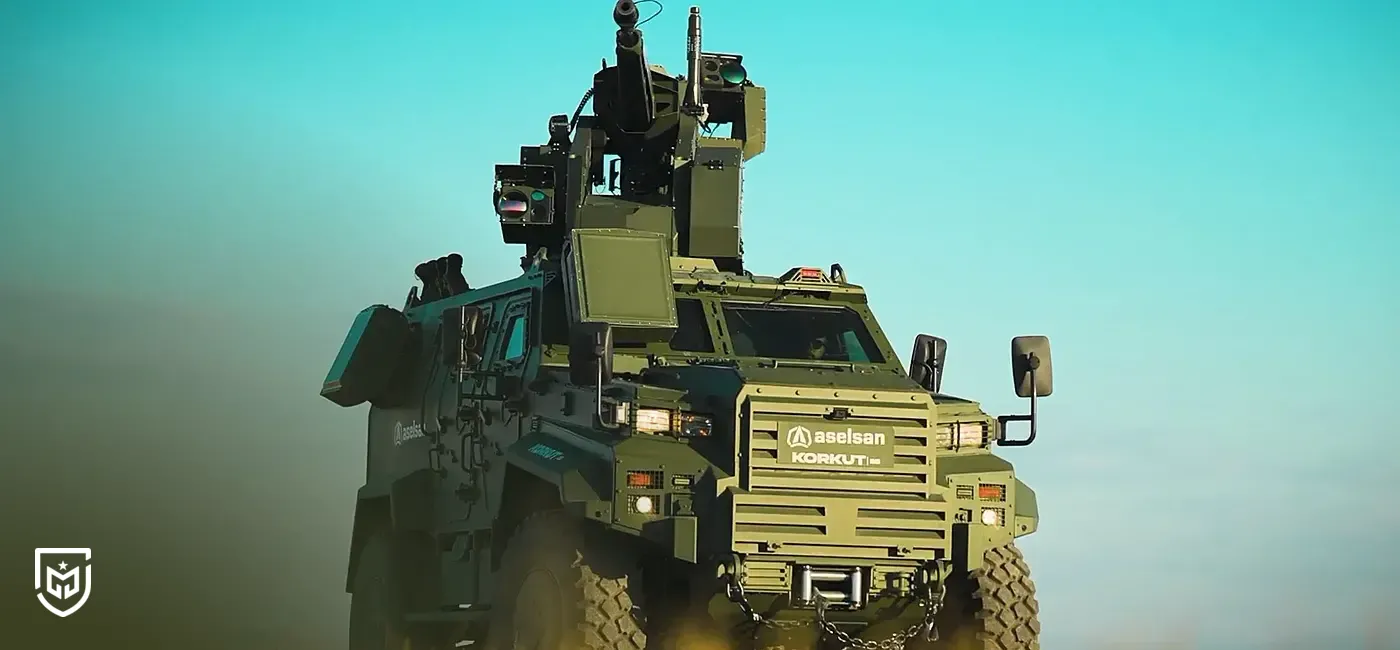
ASELSAN KORKUT 25 UAV Countermeasure System Achieves Test Success
Romanian Corvette Conducts Black Sea Exercises
China elevates private sector in critical technology strategy
MKE TOLGA Laser System Successfully Destroys Drone Target
Shield AI and GEK TERNA Launch X-BAT Production in Greece
Germany denies claims of MGCS tank project withdrawal
Thales Introduces HexaForce AI-Powered Command and Control System to Gulf Region
Romania Signs Contract for Airbus H225M Helicopter Procurement