


Missiles and Rockets
Global Developments


BREAKING NEWS
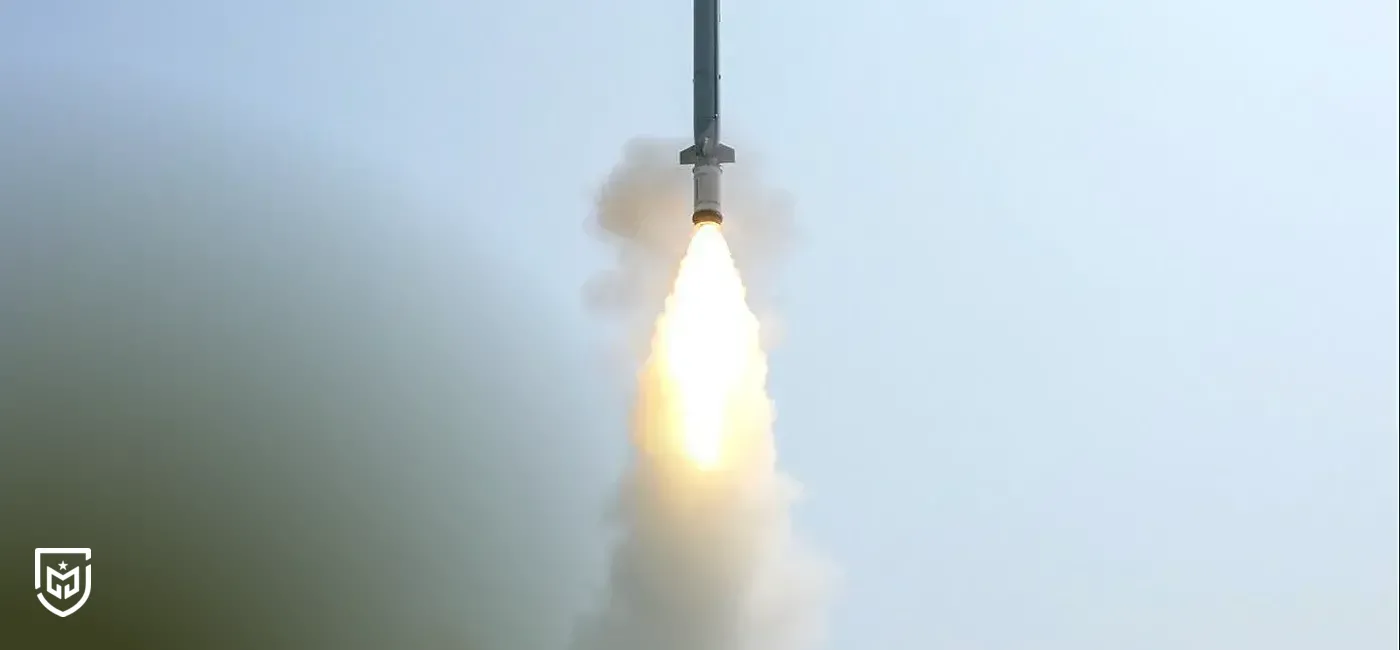
India's Defence Research and Development Organisation (DRDO) successfully conducted a flight test of the Long Range Land Attack Cruise Missile (LRLACM) on 15 June 2026 from Dr. APJ Abdul Kalam Island off the coast of Odisha. Multiple tracking systems deployed at the Integrated Test Range in Chandipur confirmed that all test objectives were achieved. Senior DRDO officials, along with representatives from the Indian Navy and Indian Air Force, observed the successful test from the launch site.
The LRLACM programme represents a significant milestone in India's indigenous defence development efforts. The missile's design and production are conducted entirely through domestic capabilities, with all subsystems developed through collaboration between various DRDO laboratories and Indian defence industry partners. The Aeronautical Development Establishment (ADE) based in Bengaluru serves as the lead agency for the project. This approach reflects India's commitment to self-reliance in defence technology and strengthens the country's indigenous production capacity.
From a technical standpoint, the LRLACM is engineered to strike ground targets at extended ranges with high precision, operating at subsonic speeds. The system is equipped with a turbofan or turbojet propulsion unit, an advanced inertial navigation system supported by satellite-aided positioning for mid-course guidance, and either a seeker-based or terrain contour matching capability for terminal phase target engagement. Designed for low-altitude and terrain-hugging flight profiles, the cruise missile reduces detection and interception risks while delivering conventional warheads to designated targets.
Within India's defence sector context, the LRLACM significantly enhances the ground forces' long-range precision strike capability. The system complements the existing missile inventory and provides operational flexibility through its ground-based launch platform compatibility. The indigenous development process demonstrates the expertise India has accumulated in cruise missile technology and establishes a foundation for similar platform development. The modular subsystem architecture enables compatibility with different launcher platforms and supports future modernisation initiatives.
In the international context, long-range cruise missiles such as the LRLACM fulfil operational roles comparable to NATO-standard air defence systems and advanced missile platforms. India's acquisition of this capability represents a significant factor in regional strategic balance. The programme builds upon India's progress demonstrated through the BrahMos and other missile initiatives in the defence industry sector. Looking forward, this platform carries potential for export, supporting India's broader objective of establishing itself as a defence technology exporter.


The cookies used on our website are used to provide you with a better user experience and to improve our website. You can manage your cookie preferences from the options below.
 Tolga Demirel
Post Comment
Comments
No comments yet.
Related News
SSB Sector Meeting: Focus on Supply Chain and Production Capabilities
Turkish defense industry signed 15 billion dollars in new contracts in 2026
SSB Hosts Second Supply Chain Strengthening Summit
SSB Chief: Transparent Licensing Will Strengthen Defense Cooperation
ÇAKIR Cruise Missile Supply Contract Signed
Drone Shield Showcased at Marksman Competition
Fire Free-2026 Exercise Successfully Completed
Görgün: Turkish-German defense partnership to be revitalized with new vision