


Air Forces News
Global Developments


BREAKING NEWS
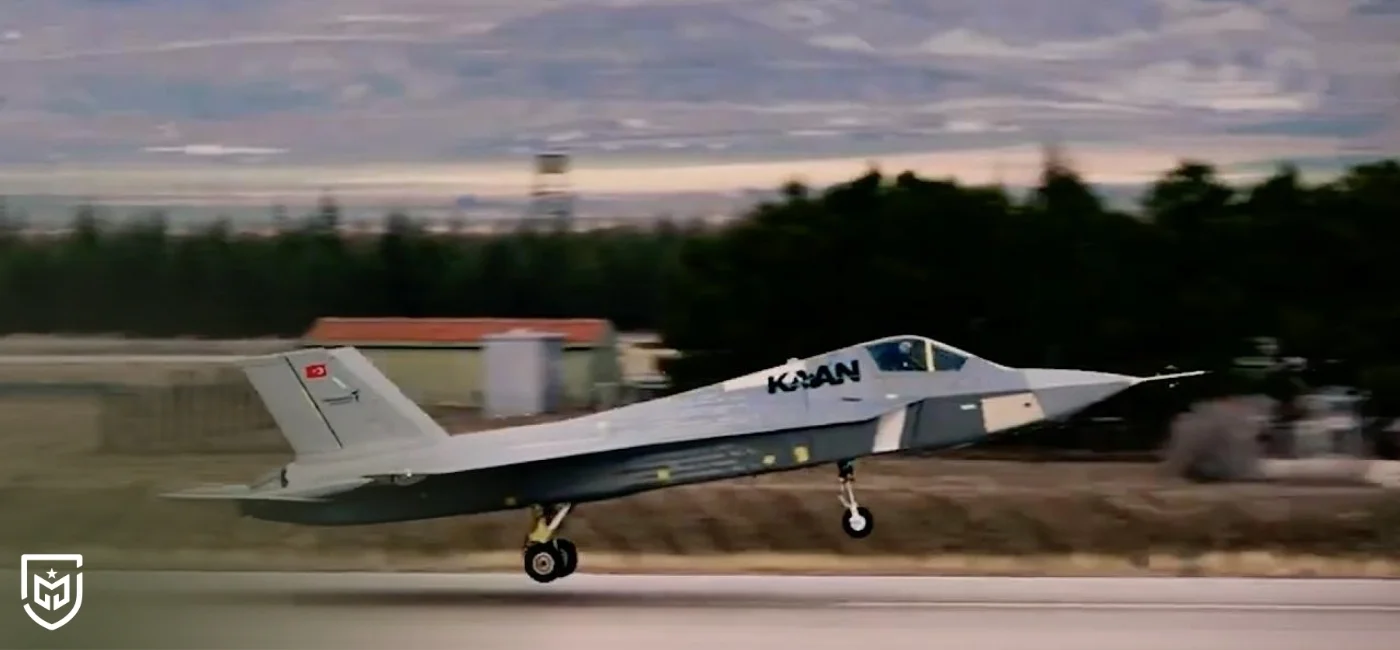
The crisis in Europe’s next-generation fighter aircraft ambitions has once again brought Türkiye’s National Combat Aircraft KAAN into the international spotlight. Reports suggesting that the 6th-generation FCAS fighter jet program, planned jointly by Germany and France, has collapsed have raised serious questions about Europe’s future air power strategy. Disagreements over joint production, technology sharing, software control, intellectual property rights and operational priorities are seen as key factors that have made the project increasingly difficult to sustain.
According to the information shared, one of the most critical disagreements between Germany and France in the FCAS process was related to source codes, software infrastructure and intellectual property rights. France reportedly wanted to keep most of the strategic authority in the project under its own control, while Germany was unwilling to spend billions of euros on a program in which it would have only a limited role on the production side. In addition, France’s requirements for nuclear weapon carriage and aircraft carrier compatibility did not fully align with Germany’s operational needs.
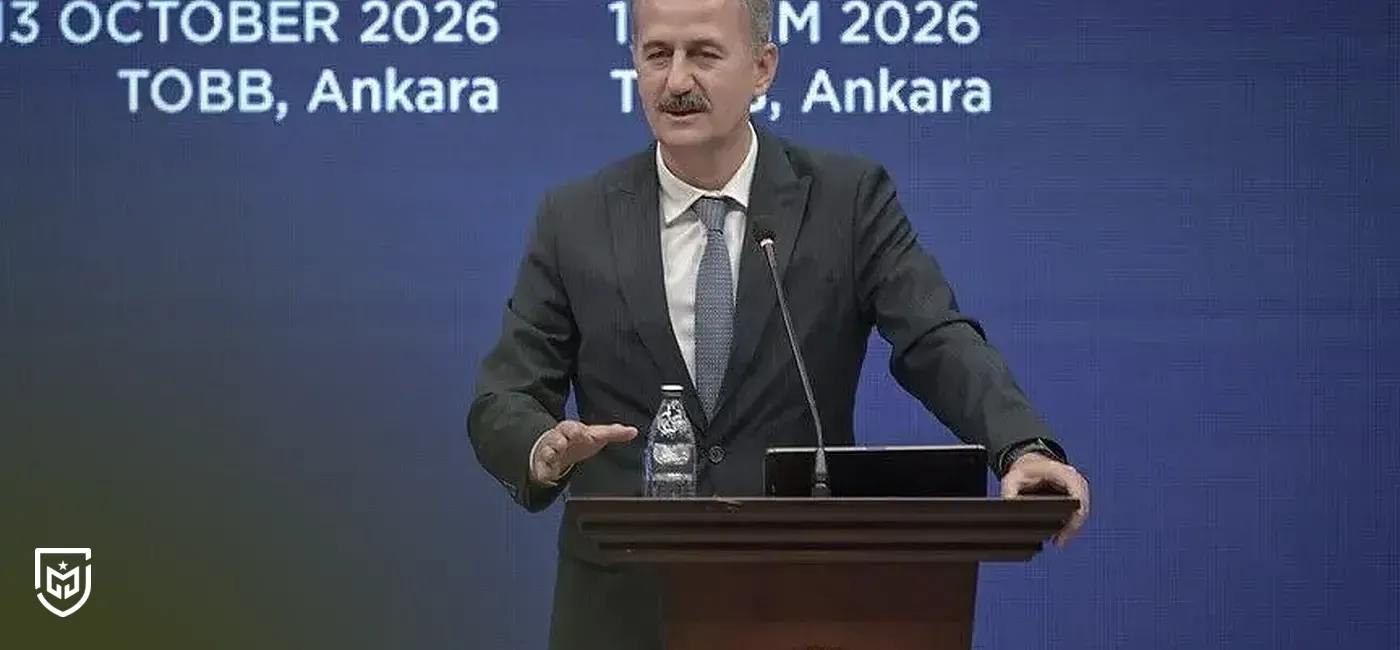
This situation in Europe may create a strategic opportunity for Türkiye’s KAAN project to attract greater attention. Although KAAN is currently being developed as a 5th-generation fighter aircraft, Türkiye is also continuing preparations for future-generation combat air capabilities. TUSAŞ CEO Mehmet Demiroğlu’s statements that Türkiye is ahead of Europe in fighter aircraft projects and that work is also underway for 6th-generation capabilities show that KAAN has become a platform followed not only nationally, but also internationally.
One of KAAN’s most important advantages from a European perspective is that it is a next-generation fighter jet program that has already reached the flight phase. While FCAS is facing a deep crisis and the GCAP program led by the United Kingdom, Italy and Japan may experience schedule delays, European countries’ short- and medium-term needs are becoming more urgent. In a period of increasing geopolitical uncertainty and growing security concerns, countries may have less flexibility to wait many years for new platforms.
Türkiye’s progress in platforms such as HÜRJET, KAAN, ANKA-3 and KIZILELMA also creates a notable basis for possible cooperation with European countries. Türkiye’s previous agreement with Spain regarding HÜRJET is considered an important example showing that the European market may become more open to Turkish aviation products. The performance of KAAN’s upcoming prototypes, data obtained from flight tests and the platform’s operational maturity may directly influence European interest in the coming period.
European countries may also consider turning to the United States for next-generation fighter aircraft needs. However, rising costs in the F-35 program, software update dependencies, operational restrictions and debates over strategic autonomy may encourage some countries to look for alternatives. Türkiye’s openness to more flexible cooperation models, including the possibility of integrating buyer countries’ own subsystems, could make KAAN more than a conventional procurement option and position it as a strategic partnership platform.
As a result, the crisis in the FCAS program has reopened discussions about Europe’s ability to carry out joint defense industry projects, while Türkiye’s KAAN project is becoming more visible in this environment. KAAN’s flight tests, upcoming prototypes, national avionics infrastructure, low-observability goals and future potential to operate alongside unmanned systems place it among the closely watched platforms not only for Türkiye’s air power, but also for allied countries. As Europe’s search for a next-generation fighter jet deepens, KAAN’s strategic importance may continue to grow.


The cookies used on our website are used to provide you with a better user experience and to improve our website. You can manage your cookie preferences from the options below.
 Süheyla Yıldız
Post Comment
Comments
No comments yet.
Related News
SSB Sector Meeting: Focus on Supply Chain and Production Capabilities
Turkish defense industry signed 15 billion dollars in new contracts in 2026
SSB Hosts Second Supply Chain Strengthening Summit
Skyfall II Exercise: U.S. Army Demonstrates UAV Defense Capabilities in Germany
SSB Chief: Transparent Licensing Will Strengthen Defense Cooperation
STM's Swarm UAV System Demonstrates Operational Success at Ateş Serbest-2026
TUSAŞ Kamikaze UAV Systems Achieve Success in Exercise Ateş Serbest-2026
Fire Free-2026 Exercise Successfully Completed