


Air Forces News
Global Developments


BREAKING NEWS

The engine procurement process for Türkiye’s National Combat Aircraft KAAN has returned to the agenda with new claims from U.S.-based sources. According to reports based on sources familiar with the matter, the administration of U.S. President Donald Trump is preparing to move forward with the sale of General Electric F110 jet engines to Türkiye despite objections from some members of Congress. These engines are expected to be used in the initial production and development phases of the KAAN fighter aircraft.
According to the information shared in the reports, the proposed sales package is said to be worth more than $700 million and could include dozens of engines. Some U.S. media outlets have stated that the package may be valued at around $750 million. The process is being interpreted as a potentially important defense cooperation step toward Türkiye ahead of the expected NATO Summit in Ankara.
One of the most important political issues before the sale is the objection process in the U.S. Congress. It is reported that Gregory Meeks, the senior Democrat on the House Foreign Affairs Committee, has expressed concerns over the package due to Türkiye’s procurement of the Russian-made S-400 air defense system, its Syria policy and tensions with Greece. Despite these objections, the U.S. administration is reportedly willing to advance the sale process, and the formal notification stage may come onto the agenda in the near future.
For the KAAN program, F110 engines represent a critical transitional solution. Türkiye aims to fly KAAN with an indigenous engine in the long term, but foreign-origin engines are planned to be used in the first prototypes and early production blocks. The F110 engine family is already used in the Turkish Air Force’s F-16 fleet, making it a powerplant with which Türkiye has existing experience in maintenance, logistics and industrial support. Therefore, progress in the engine sale could become an important threshold for KAAN’s testing, production and schedule management.
A possible U.S. green light for the engine sale also carries symbolic importance for Türkiye-U.S. defense relations. After Türkiye’s procurement of the S-400 system, Ankara was removed from the F-35 program and faced various restrictions, creating long-standing tension in defense cooperation between the two NATO allies. Although the KAAN engine package would not resolve the fundamental disagreements over the F-35 issue, it could be interpreted as a limited normalization step in the defense industry field.
However, the process does not yet mean final delivery. Reports indicate that engine deliveries may take place over several years, while the U.S. State Department has not publicly commented on pending arms transfers. For this reason, official approval, congressional notification, export licenses and the delivery schedule will remain closely watched issues for the KAAN program.
As a result, reports that the U.S. administration is preparing to advance the F110 engine sale stand out as a critical development for KAAN’s early production phase. Türkiye’s long-term goal remains to gain fully independent combat aircraft capability with a national engine. However, during this transition period, the procurement of F110 engines may play an important role in KAAN’s flight tests, prototype development and serial production planning. This development also shows how closely Türkiye’s national fighter jet program is being followed on the international defense agenda.


The cookies used on our website are used to provide you with a better user experience and to improve our website. You can manage your cookie preferences from the options below.
 Süheyla Yıldız
Post Comment
Comments
No comments yet.
Related News
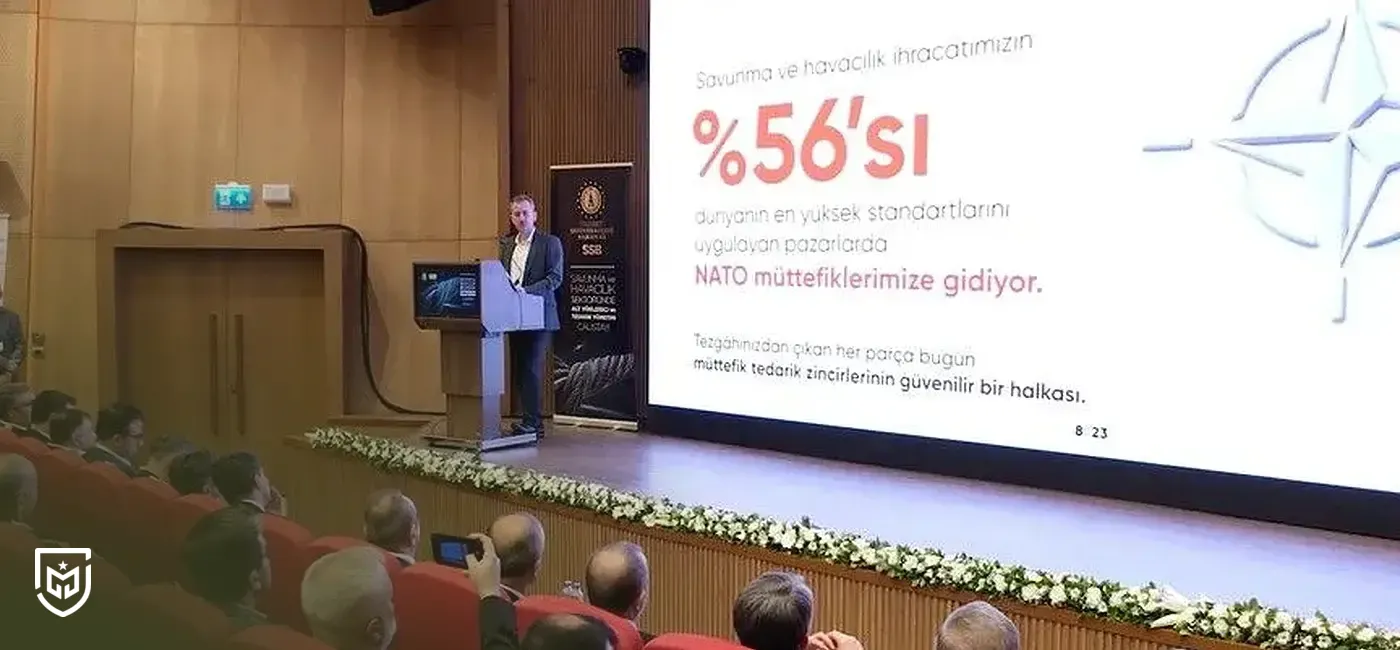
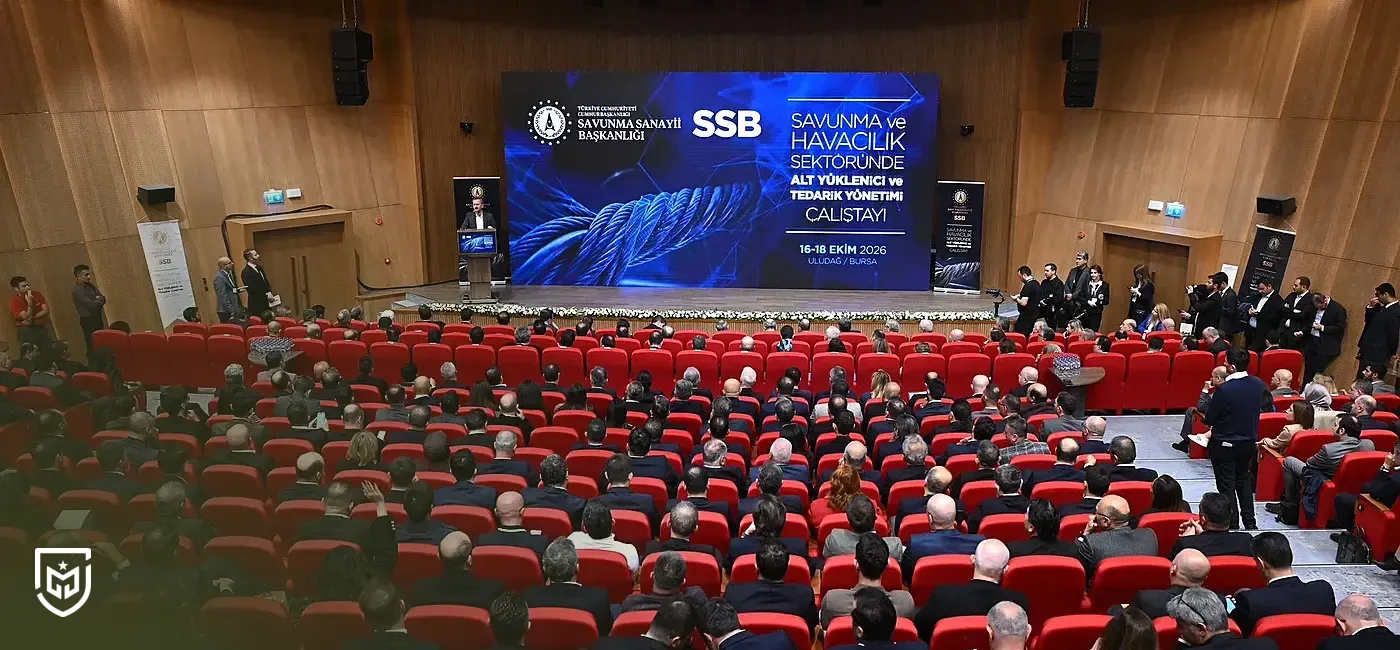
SSB Sector Meeting: Focus on Supply Chain and Production Capabilities
Turkish defense industry signed 15 billion dollars in new contracts in 2026
SSB Hosts Second Supply Chain Strengthening Summit
Skyfall II Exercise: U.S. Army Demonstrates UAV Defense Capabilities in Germany
SSB Chief: Transparent Licensing Will Strengthen Defense Cooperation
STM's Swarm UAV System Demonstrates Operational Success at Ateş Serbest-2026
TUSAŞ Kamikaze UAV Systems Achieve Success in Exercise Ateş Serbest-2026
Fire Free-2026 Exercise Successfully Completed