



Air Forces News
Global Developments


BREAKING NEWS
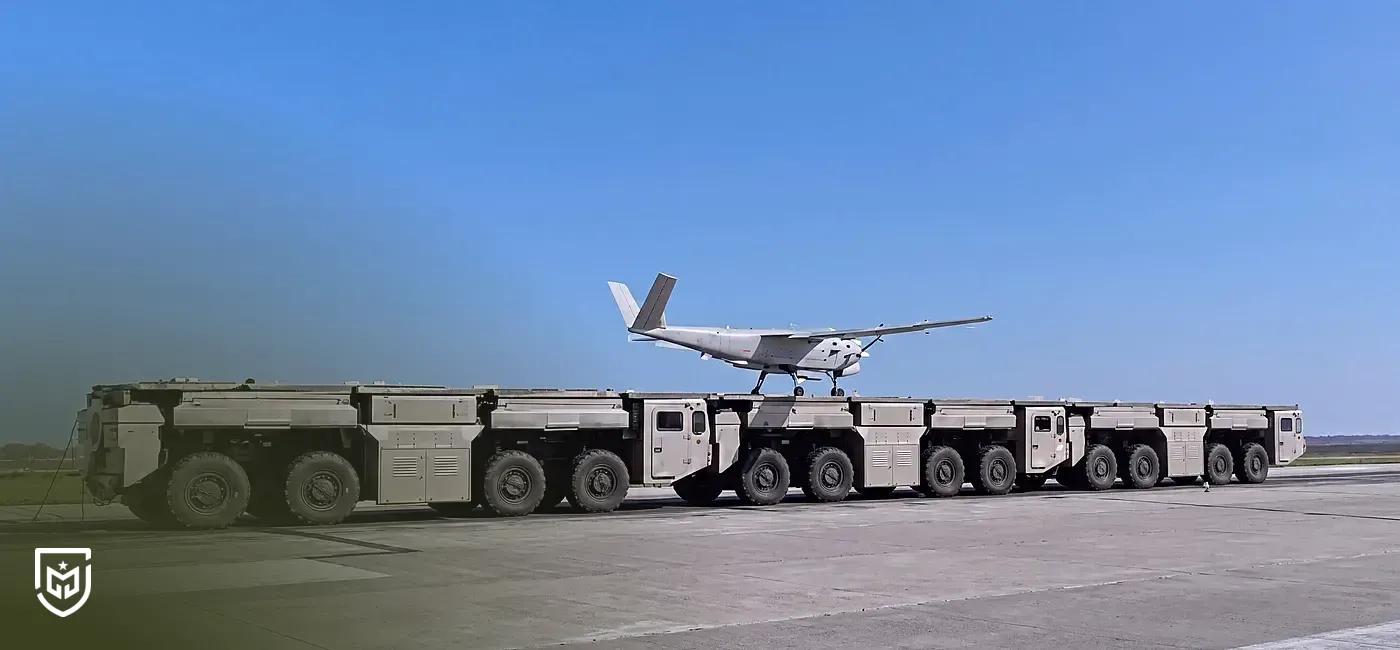
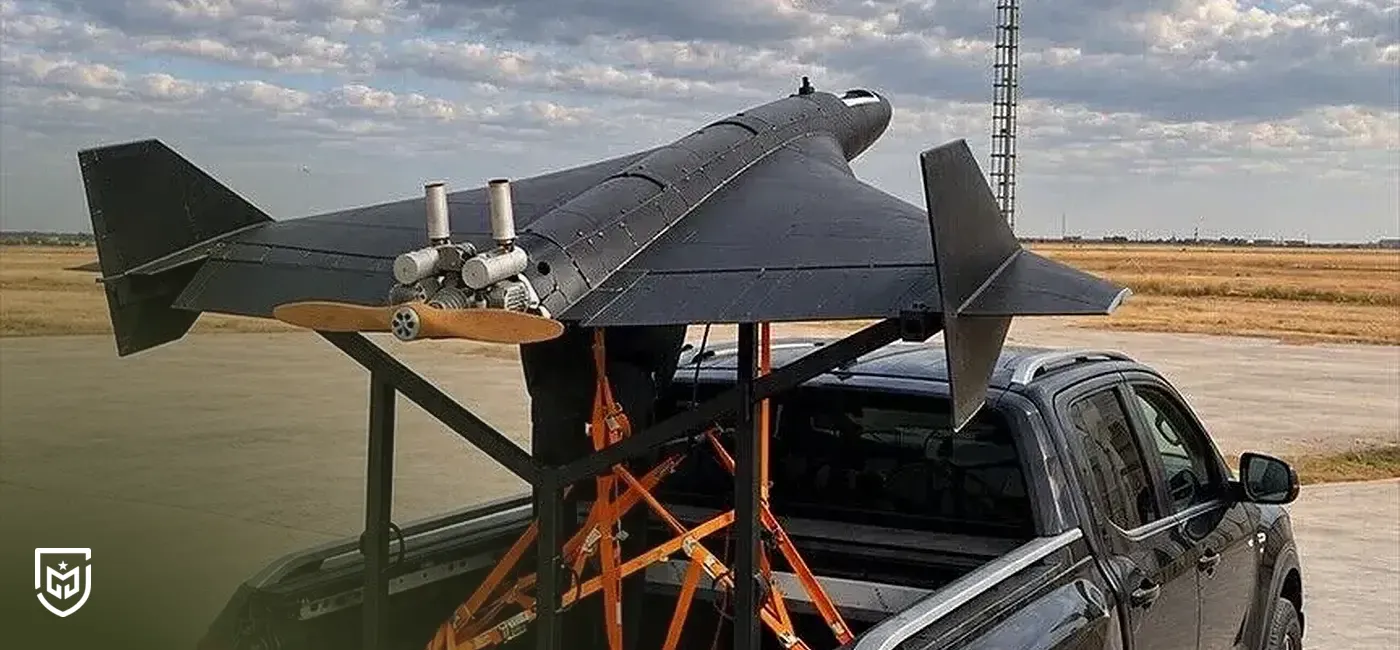
China's modular electromagnetic aircraft launch system (EMALS), mounted on trucks, has successfully launched an unmanned aerial vehicle. Footage shared by the Mechanical Engineering School of Beijing Institute of Technology shows this mobile system, composed of three truck units, deploying a winged drone into the air. The unmanned aircraft features a monoplane design, V-tail configuration, and tricycle landing gear. The system first appeared late last year and was subsequently integrated onto the deck of the cargo vessel Zhong Da 79.
Electromagnetic catapult systems offer significant advantages over conventional steam catapults. EMALS technology reduces turnaround times between launches, increasing aircraft sortie rates. The selection of electromagnetic systems enables more precise control and lower mechanical stress. The modular design allows the system to be housed in standard shipping containers and easily concealed during non-operational periods. This capability enables rapid deployment near supported units and provides quick-response capability. The truck-mounted configuration allows system components to be dispersed and complicates enemy targeting efforts.
From the perspective of Turkish defense industry, this development demonstrates global trends in unmanned aerial vehicle launch and deployment technologies. Platforms developed by organizations such as Baykar and TUSAŞ, including Bayraktar TB2, AKINCI, and KAAN, are aircraft that require integration with advanced launch systems. In Turkey's defense industry ecosystem, indigenous development of such catapult technologies would enhance the operational effectiveness of UAV/UCAV platforms. Organizations such as ROKETSAN and ASELSAN could pursue research on adapting similar electromagnetic launch systems to Turkish platforms.
The global defense industry is developing various catapult solutions for rapid deployment of unmanned aircraft. In NATO standards, electromagnetic catapult systems are increasingly preferred. China's modular and mobile EMALS approach offers flexibility for use by land forces as well as maritime platforms. This system is regarded as a land-adapted version of the EMALS technology used on U.S. aircraft carriers. The system becomes particularly valuable for smaller and shorter-range unmanned aircraft, as rapid launch extends airborne endurance during mission duration.
The modular truck structure significantly enhances the system's operational flexibility and survivability. Components can be transported separately and rapidly assembled as needed. Unmanned aircraft and catapult components can be concealed in standard shipping containers. This design enables rapid deployment near supported units, minimizing response time. If launching from a pitching ship occurs, balance and stability issues may arise; however, the system provides an optimal solution for land-based operations.


The cookies used on our website are used to provide you with a better user experience and to improve our website. You can manage your cookie preferences from the options below.
 Tolga Demirel
Post Comment
Comments
No comments yet.
Related News
Germany denies claims of MGCS tank project withdrawal
Thales Introduces HexaForce AI-Powered Command and Control System to Gulf Region
ÇEPNI Tactical UAV Family Enters Operational Service
ASELSAN's Drone-Hunting System Completes Successful Demonstration
Romania Signs Contract for Airbus H225M Helicopter Procurement
ASELSAN's GÖKALP drone defense system completes successful demonstration
Ari Arms begins OR-4 rifle production in Azerbaijan
AKINCI UAV Successfully Tested with MORFOZ Guidance Kit