
Maritime Electronic Warfare


BREAKING NEWS
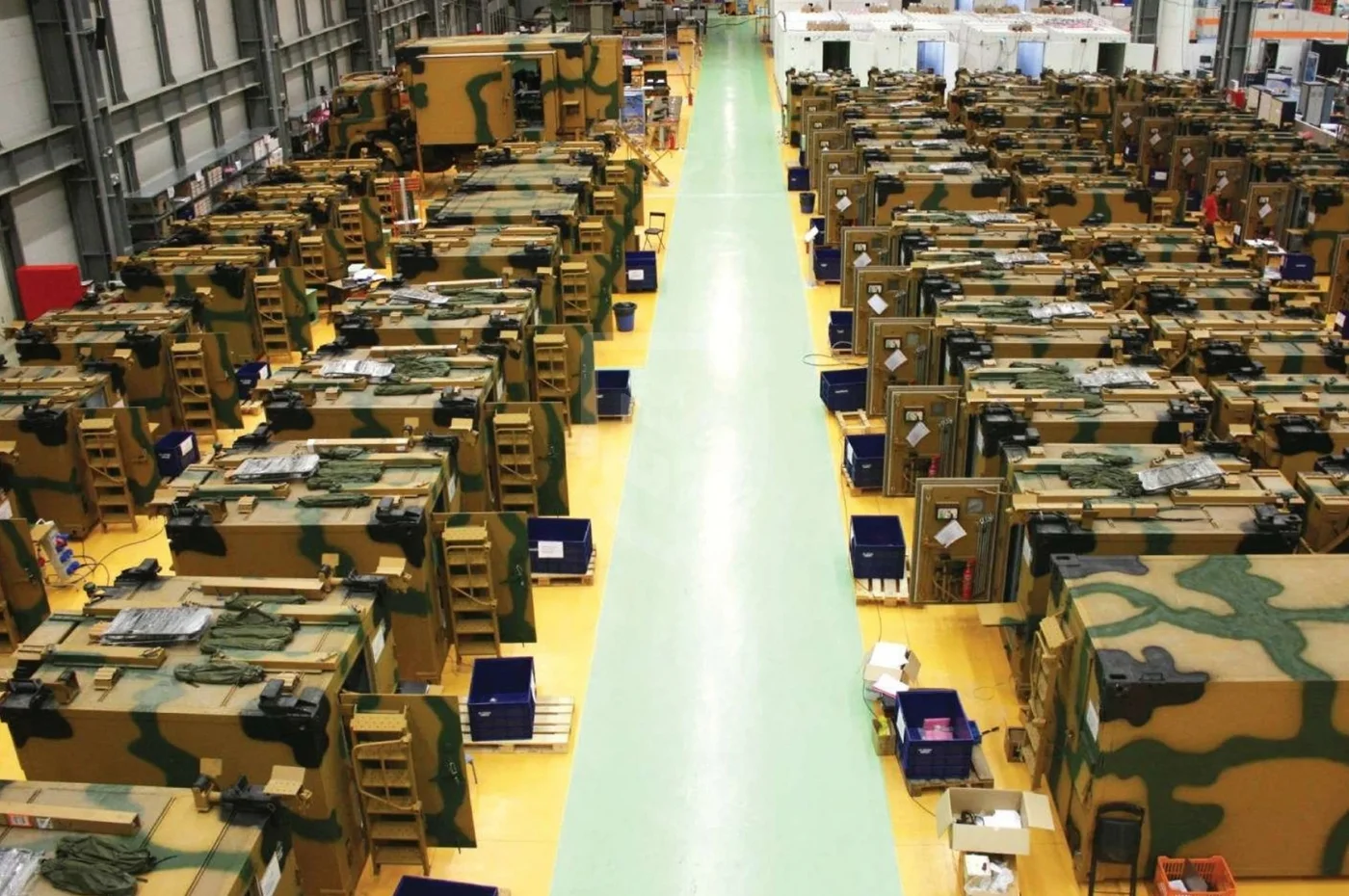
TASMUS is built on the principle that information superiority is as decisive as firepower in modern warfare. The system establishes a secure, high-capacity, and resilient communication infrastructure between maneuver units in the field and higher-echelon command centers. By enabling real-time data exchange from sensors, weapon systems, and command posts, TASMUS significantly shortens the decision-making and reaction cycle.
Operational Purpose and Role
The primary mission of TASMUS is to ensure uninterrupted, secure, and high-bandwidth communication between tactical units and operational/strategic headquarters. It enables:
In this sense, TASMUS acts as the digital nervous system of land forces.
Doctrine and Concept of Use
TASMUS is designed primarily for land forces but is compatible with joint and combined operations. Its concept of operation supports:
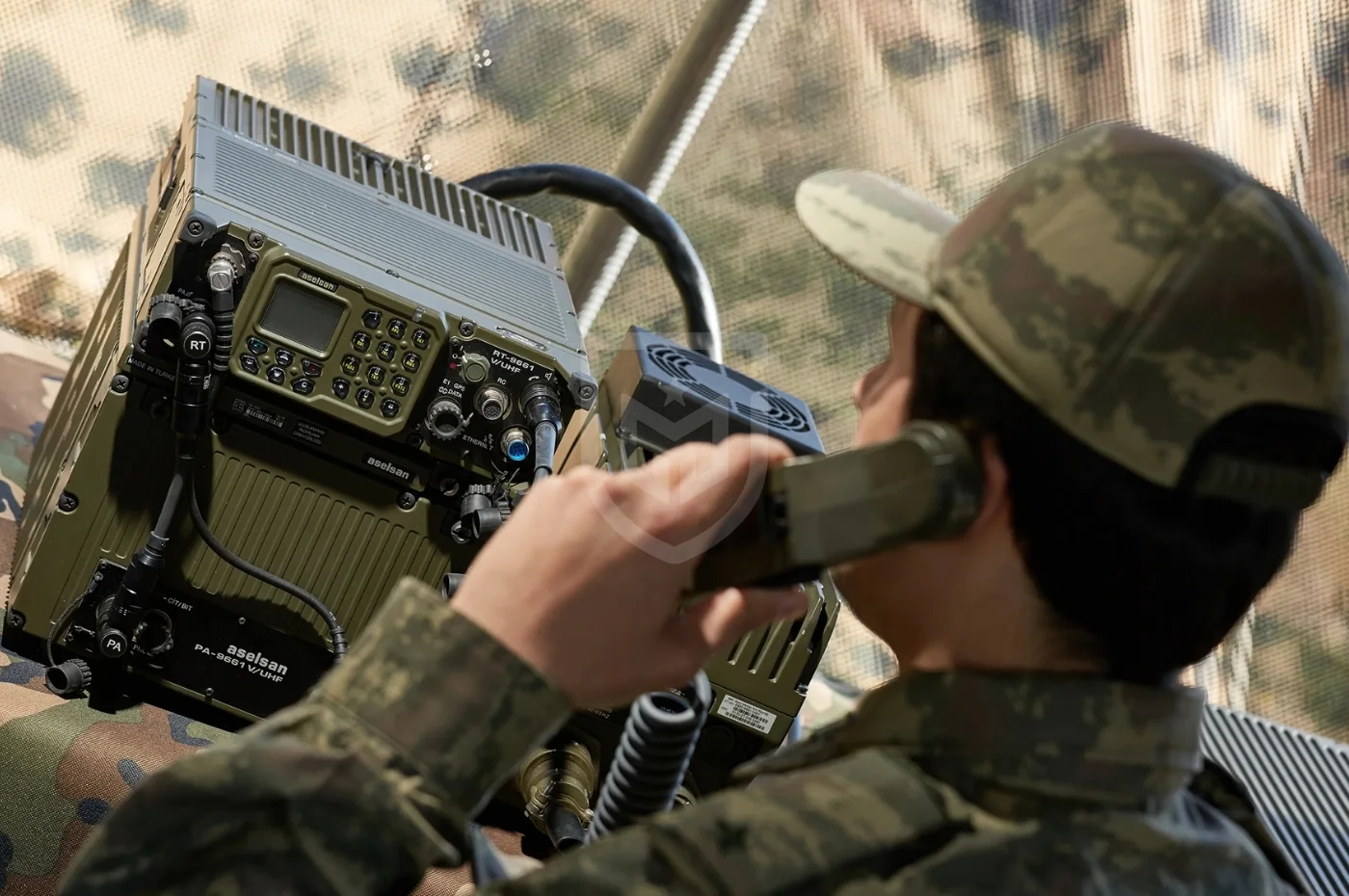
The system ensures communication continuity even when units are on the move in dynamic combat scenarios.
System Architecture
TASMUS consists of three major subsystems:
Wide Area Subsystem
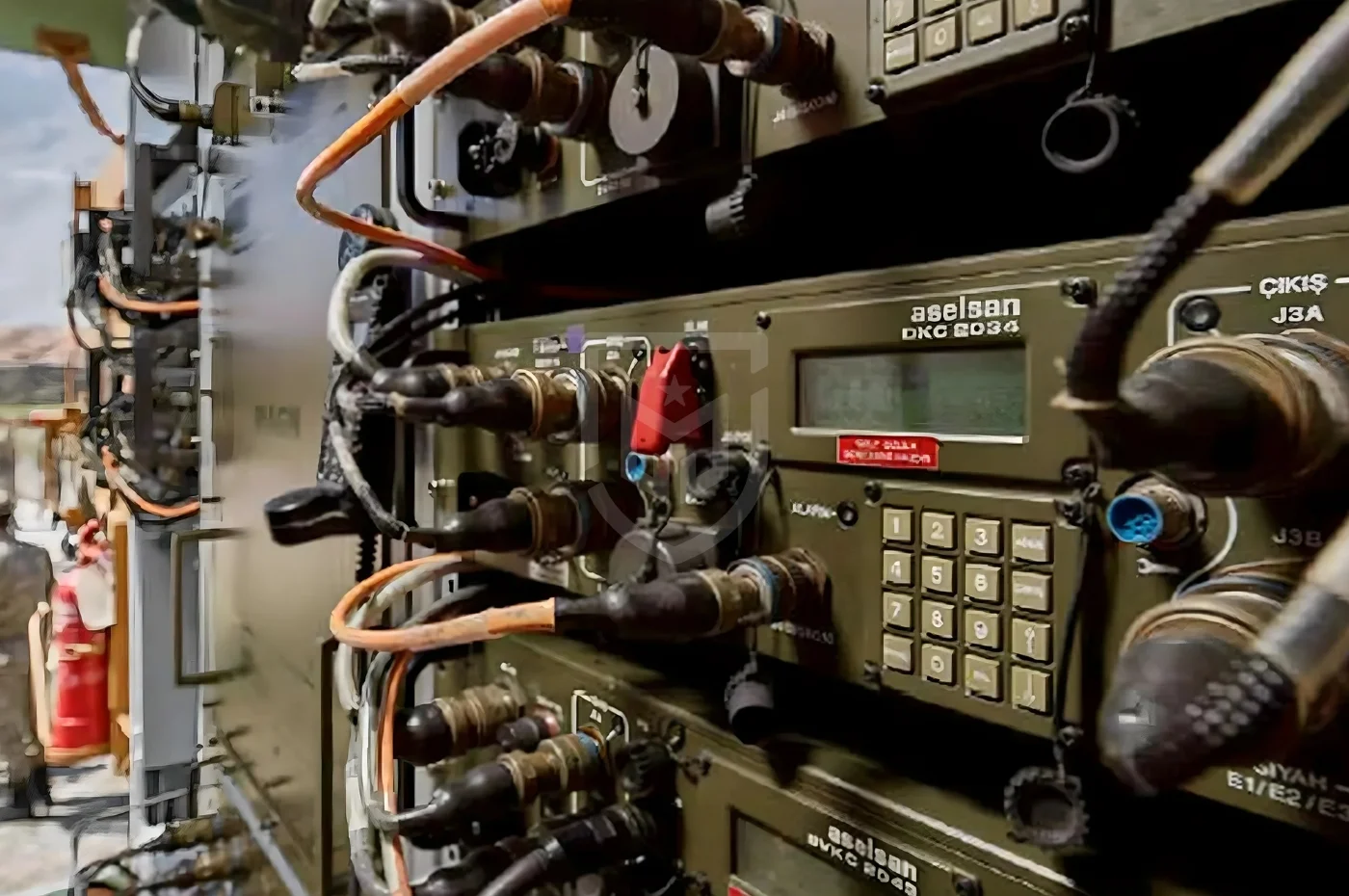
Provides long-range backbone connectivity through high-capacity radio links, IP routers, and cryptographic devices.
Mobile Subsystem
Vehicle-mounted communication nodes that maintain network access while maneuvering.
Local Area Subsystem
Establishes LAN infrastructure within command posts, integrating user terminals, servers, and tactical software systems.
With TASMUS-II, the architecture became fully IP-based, capable of routing both IPv4 and IPv6 traffic. Voice, data, and video share the same backbone with intelligent prioritization mechanisms.
Integration with Sensors and Weapon Systems
Although TASMUS is not a weapon system, it enables seamless integration between:
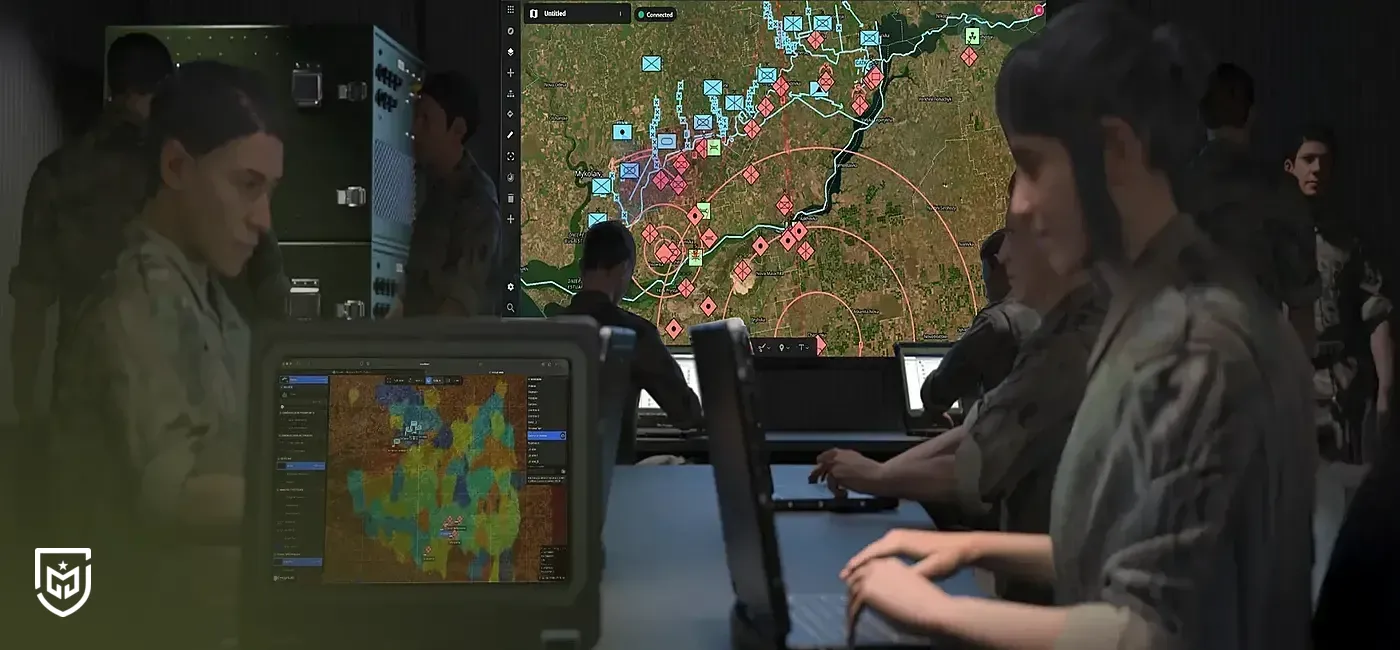
This integration allows rapid transmission of targeting data from sensors to firing units within seconds.
Electronic Warfare Resilience
Modern battlefields are heavily contested in the electromagnetic spectrum. TASMUS incorporates:
These features allow operation under electronic protection measures. Detailed technical parameters regarding ECCM performance are not publicly disclosed.
GRC-5220 Tactical IP Radiolink
The GRC-5220 tactical IP radiolink device, integrated within TASMUS, provides:
Actual performance depends on terrain, spectrum conditions, and configuration.
Traffic Management and Prioritization
TASMUS dynamically prioritizes traffic types. Critical operational data such as fire support coordinates receive higher priority than administrative or non-critical data. In case of network disruption, the system automatically reroutes traffic via alternative paths.
Information Security and Cryptography
Voice, data, and video communications are protected by cryptographic devices. The system supports remote cryptographic key management through ASELSAN’s Key Management System. Specific cryptographic algorithms and security classifications are not publicly disclosed.
Advantages in Modern Combat
Limitations
Detailed Technical Specifications
Architecture
Data Throughput
Range
Over 100 km under optimal RF conditions (radiolink configuration dependent)
Transmission Technology
Security
Specific cryptographic details are not publicly available.
Command and Control Integration
Deployment
Personnel Requirement
Operator and maintenance personnel requirements vary by configuration. Detailed organizational structures are not publicly available.
Frequently Asked Questions
What is TASMUS used for?
What is the difference between TASMUS and TASMUS-II?
What is the maximum range?
Is it resistant to electronic warfare?
Is TASMUS a weapon system?
How many targets can it track simultaneously?
Is it mobile or fixed?
What are its equivalents?
Sources




The cookies used on our website are used to provide you with a better user experience and to improve our website. You can manage your cookie preferences from the options below.