

Electronic Systems
Global Developments


BREAKING NEWS
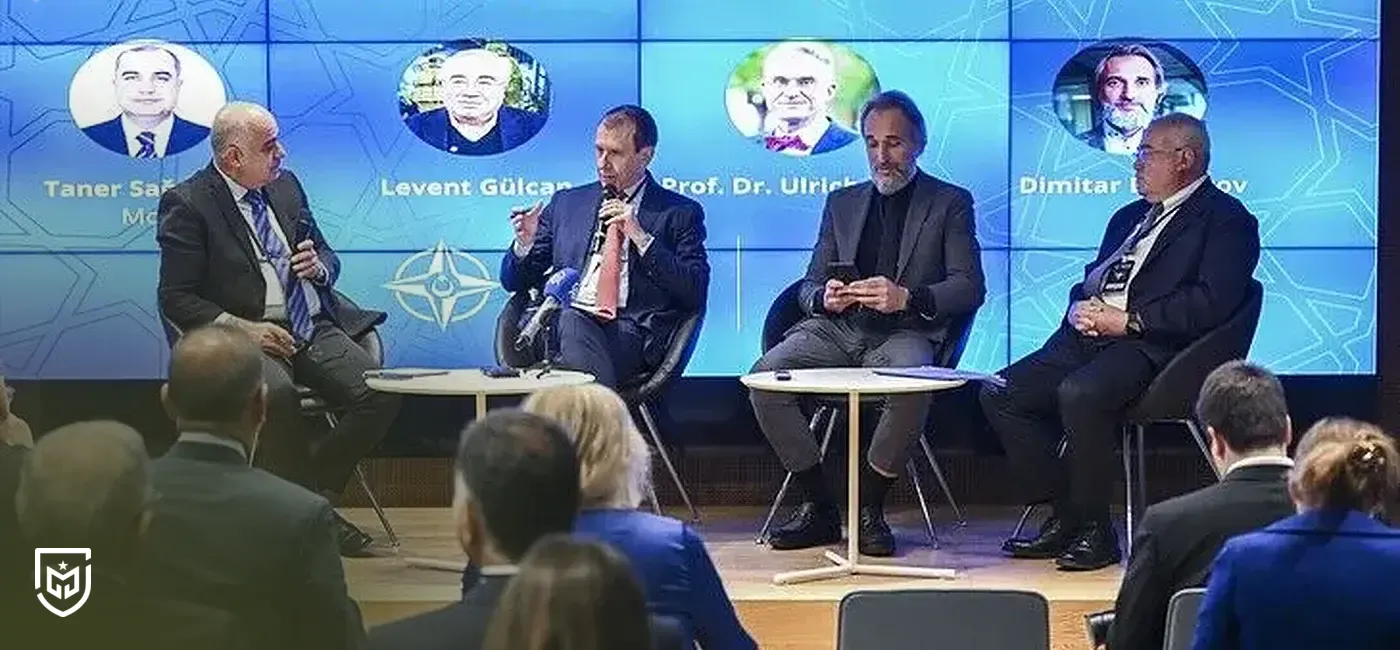
The "NATO Summit Dialogue" panel event hosted by TUSIAD in Ankara placed defense industry cooperation among NATO allies and supply chain resilience at the center of strategic discussion. The panel featured Levent Gülcan, General Manager of Yakupoğlu A.Ş., Prof. Fabrizio W. Luciolli from Italy's Ministry of Defense Advanced Defense Studies Center, and Dimitar Dimitrov, researcher at Bulgaria's Private and Venture Capital Association.
Modern defense industry ecosystems extend beyond traditional manufacturing capacity, requiring integrated supply and support networks among allies. Industry organizations such as TUSIAD serve as platforms facilitating this cooperation and supporting strategic dialogue. In Turkey's defense sector, leading companies including ASELSAN, ROKETSAN, TUSAŞ, and Baykar produce to NATO standards, forming the foundation of international cooperation. The localization rates and technological capabilities of these companies play a critical role in strengthening regional defense partnerships.
Prof. Luciolli emphasized that NATO members must achieve interoperability not only in military operations but also in equipment procurement, supply, and logistics support. In this context, cooperation between Turkey and Italy represents a successful example of combining diverse technological expertise and financing sources. Governments must establish predictable, long-term supply strategies, enabling industry to expand production capacity in a planned manner. NATO should function as a central hub for consistent cooperation among multinational programs and coordinate with the European Union.
In the Black Sea region, integration of satellite imagery, naval vessels, submarine, and sensor technologies possessed by countries such as Turkey, Italy, and Bulgaria will strengthen regional security infrastructure resilience. Dimitrov emphasized that aligning civil and military infrastructure is fundamental to effective deployment of artificial intelligence and intelligence systems. This integration consolidates the technological capacities of different nations under a single coordination center, enabling rapid and effective response during crises.
Defense industry product design and development cannot be separated from operational realities. Manufacturers such as Yakupoğlu A.Ş. incorporate lessons learned from Turkish military operations across diverse geographies and climate conditions into product innovation. Experience sharing among suppliers in NATO member states improves design and production standards. Quality contractor selection and long-term partnerships directly impact the reliability and effectiveness of the defense supply chain.


The cookies used on our website are used to provide you with a better user experience and to improve our website. You can manage your cookie preferences from the options below.
 Tolga Demirel
Post Comment
Comments
No comments yet.
Related News
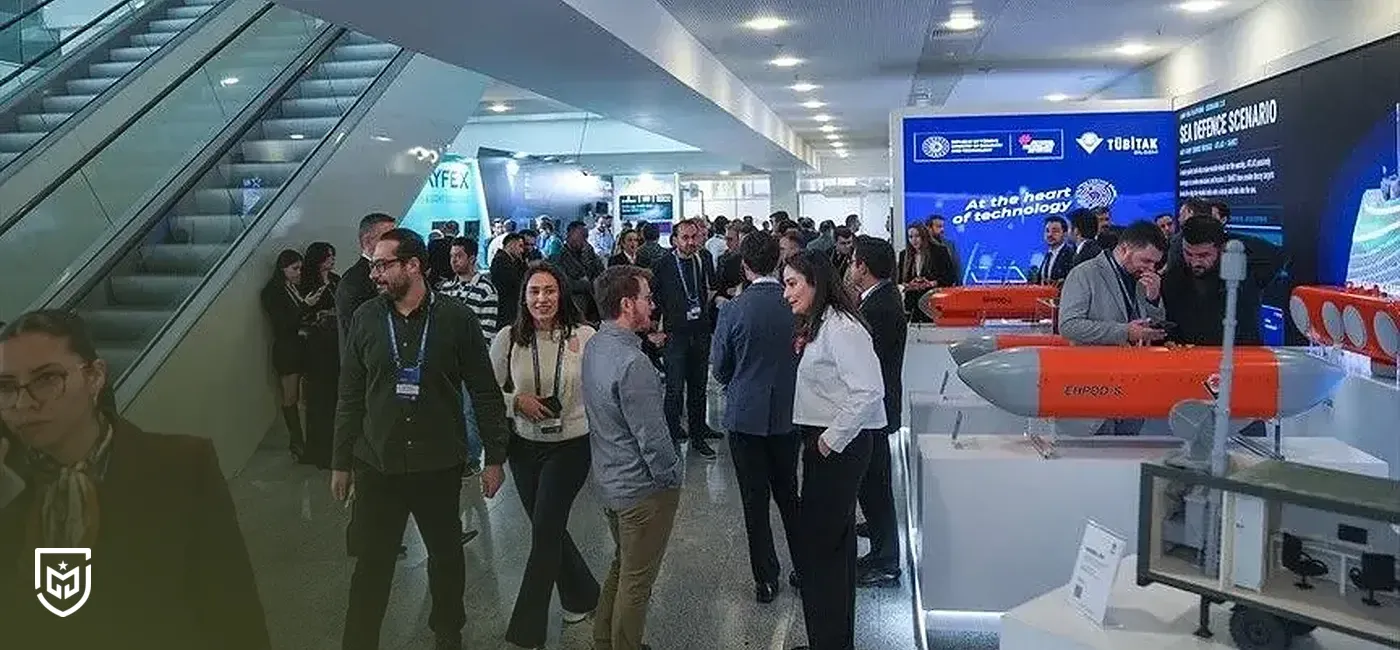
Electronic Warfare Technologies Showcased at International Platform in Ankara
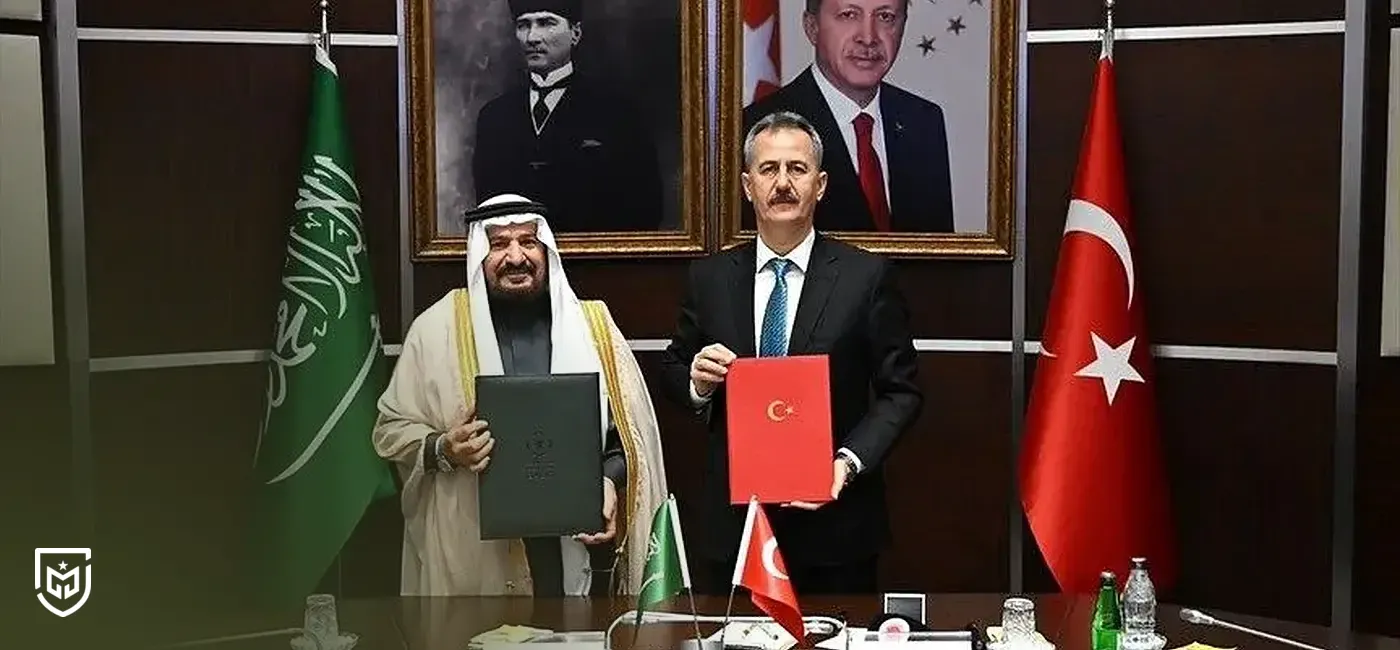
Turkey and Saudi Arabia Sign Defense Industry Cooperation Agreement
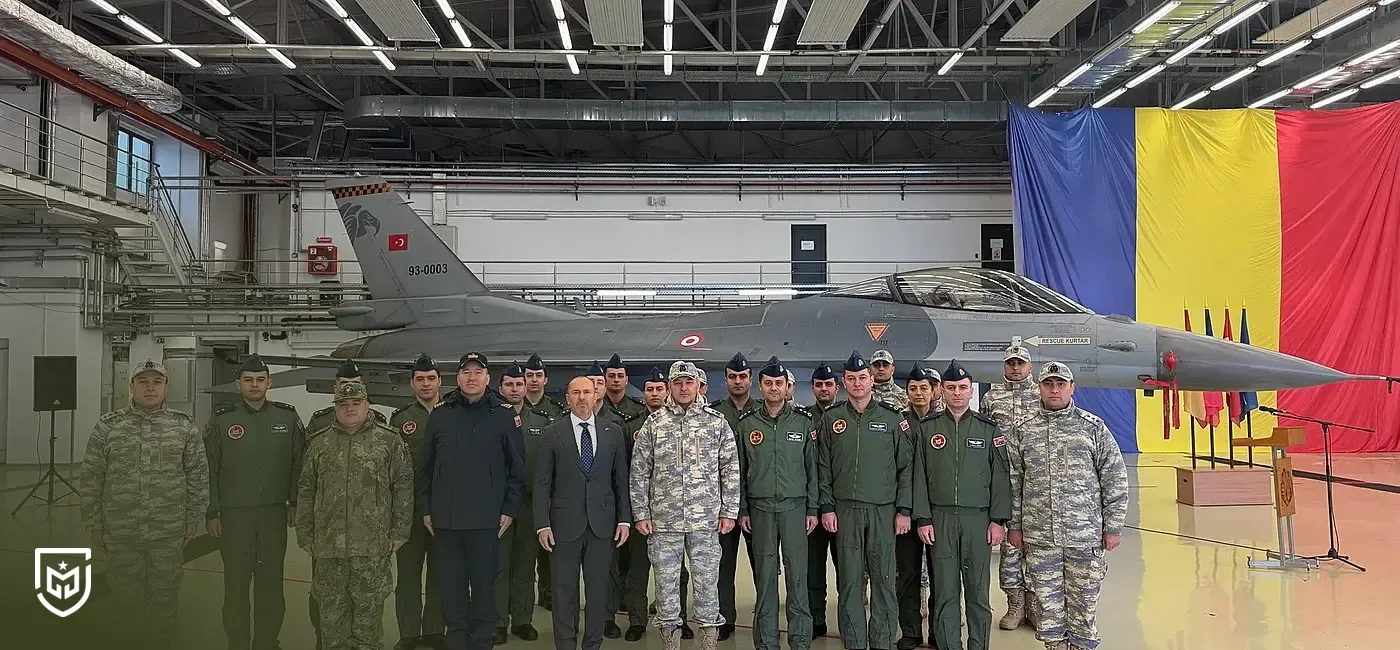
Turkish F-16s Deployed to Romania for NATO Enhanced Air Policing Mission
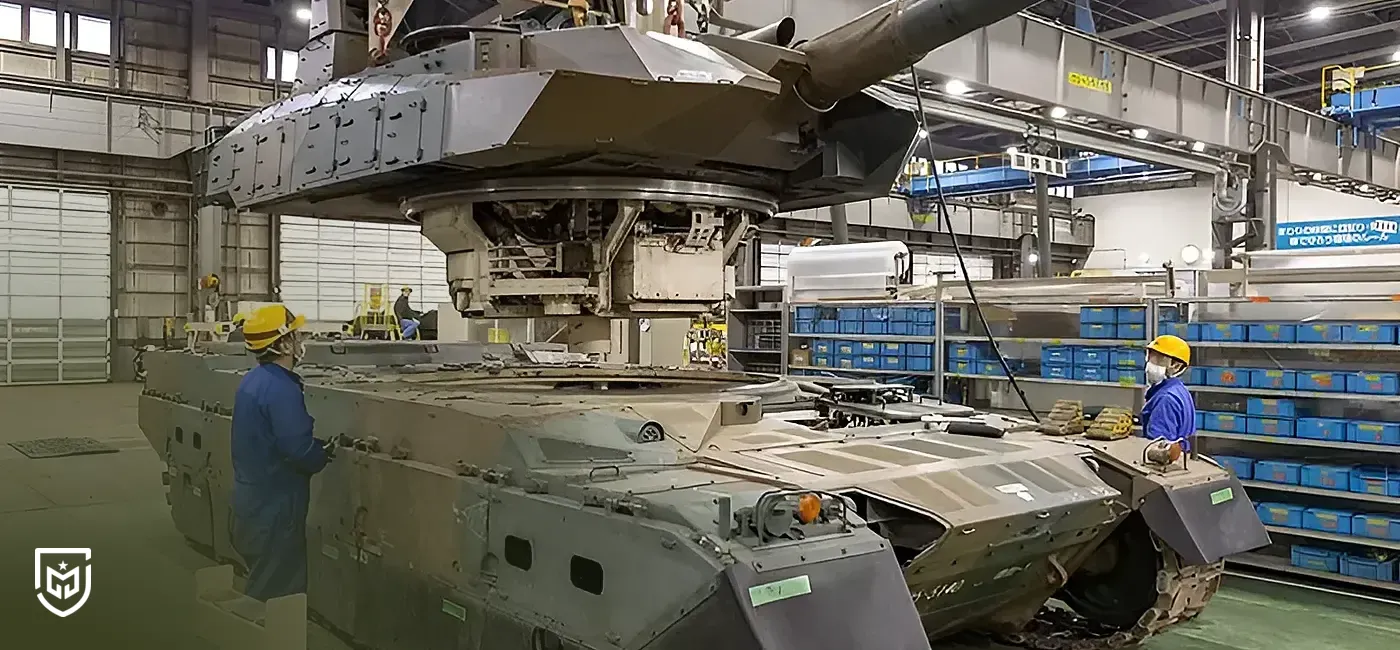
Japanese automotive suppliers turn toward defense sector
U.S. Air Force Sets $16 Billion Investment Target for Advanced Propulsion Technologies
STM ALKAN FPV Kamikaze System Delivered to Turkish Security Forces
GÖKDENIZ Close-in Air Defense System Successfully Neutralizes UAVs at Sea
Turkey's First International Electronic Warfare Conference Begins