

Air Forces News
Electronic Systems


BREAKING NEWS
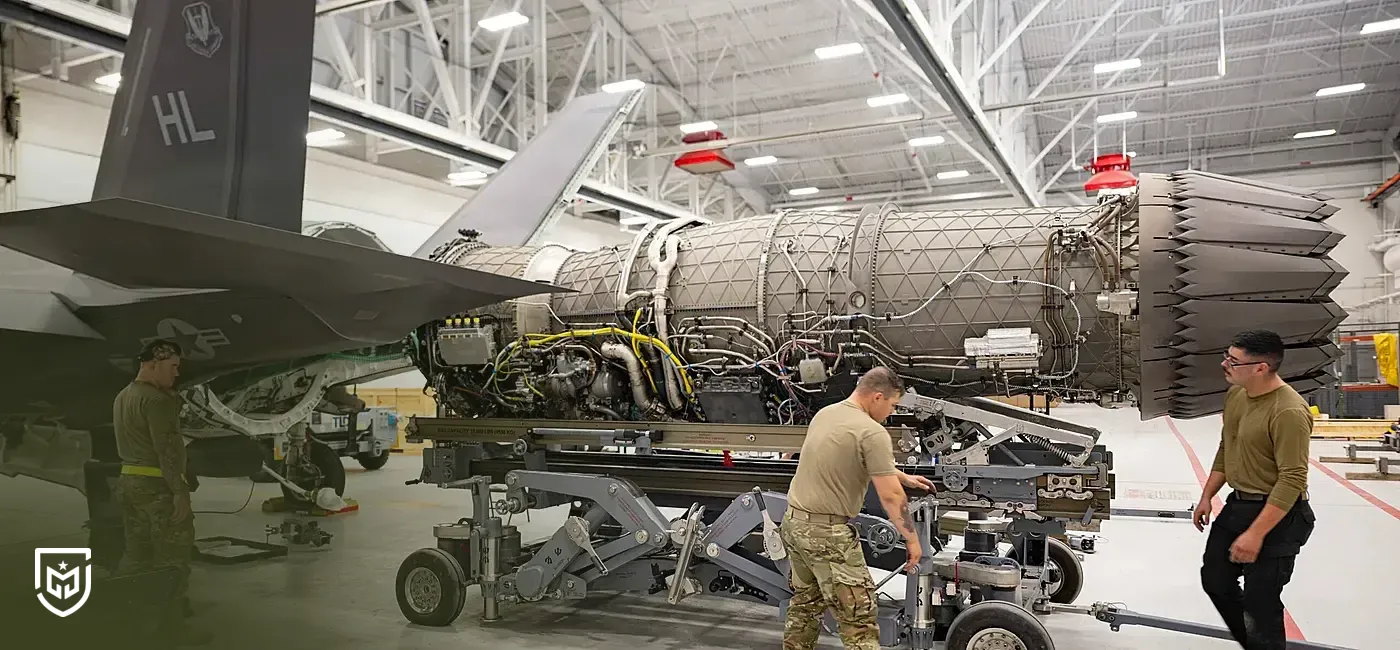
The U.S. Air Force announced the selection of 58 companies as contract holders under the Advanced Propulsion Acquisition Contract program. The selected firms will operate within a framework potentially valued at $16.1 billion over the next 15 years. Each company received an initial allocation of $1,000 at program inception, with the contract structured under an Indefinite Delivery/Indefinite Quantity (IDIQ) model. This arrangement means the U.S. Air Force has no obligation to spend the full stated amount.
The program encompasses technology maturation, concept development, prototype manufacturing, system integration, procurement, production, field deployment, and sustainment operations. The objective is to establish a rapid-response framework capable of addressing current and future propulsion system requirements while maximizing the use of digital technologies. An official announcement in March noted that program funding had not yet been secured and contracts would not be finalized until resources were allocated. The selected companies range from startups to established motor manufacturers, each having undergone a competitive selection process.
The U.S. Air Force is pursuing advanced and efficient propulsion systems for a broad spectrum of platforms, from unmanned aerial vehicles to transport aircraft. Motors developed for air defense, intelligence-surveillance-reconnaissance (ISR), and tactical operations will support existing F-35, F-16, and other combat aircraft alongside next-generation platforms. The program is designed to accelerate rapid innovation across all phases, from technology development through operational deployment.
Propulsion system technology plays a critical role in the defense industrial ecosystem. Motor development requires advanced engineering disciplines including high-temperature materials, fuel efficiency optimization, and power-to-weight ratio refinement. Sub-systems such as turbulent combustion, cooling mechanisms, and control systems directly determine aircraft performance. Globally, organizations such as GE Aerospace, Pratt & Whitney, and Rolls-Royce lead in this domain. The U.S. acceleration of motor technology innovation through this comprehensive program has drawn the attention of NATO allies.
For Turkish defense industry, propulsion technology and propulsion system development represent a long-term strategic objective. Organizations such as TEI (Turkish Engine Industries) have taken significant steps toward developing indigenous aircraft engines. The U.S. approach through broad-scope contract programs encourages competitive dynamics in the sector while underscoring Turkey's need to enhance its own propulsion technology capabilities. International cooperation and technology transfer play important roles in accelerating progress in this field.


The cookies used on our website are used to provide you with a better user experience and to improve our website. You can manage your cookie preferences from the options below.
 Tolga Demirel
Post Comment
Comments
No comments yet.
Related News
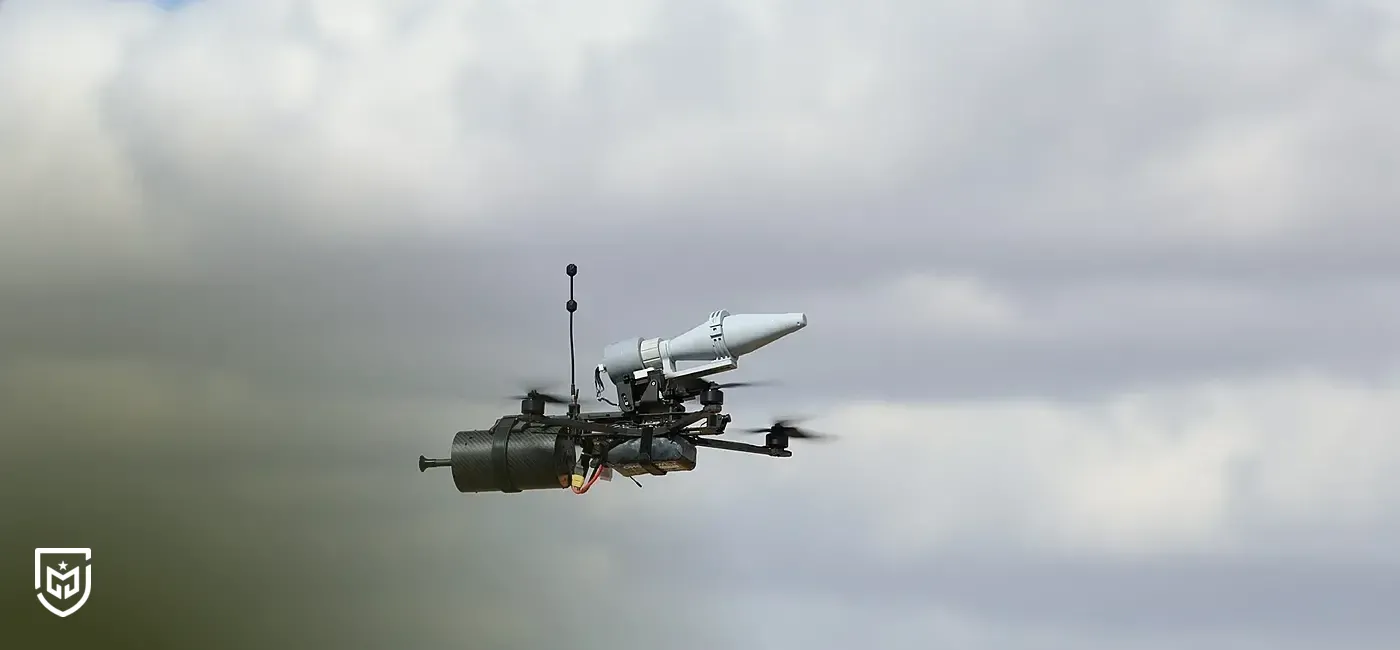
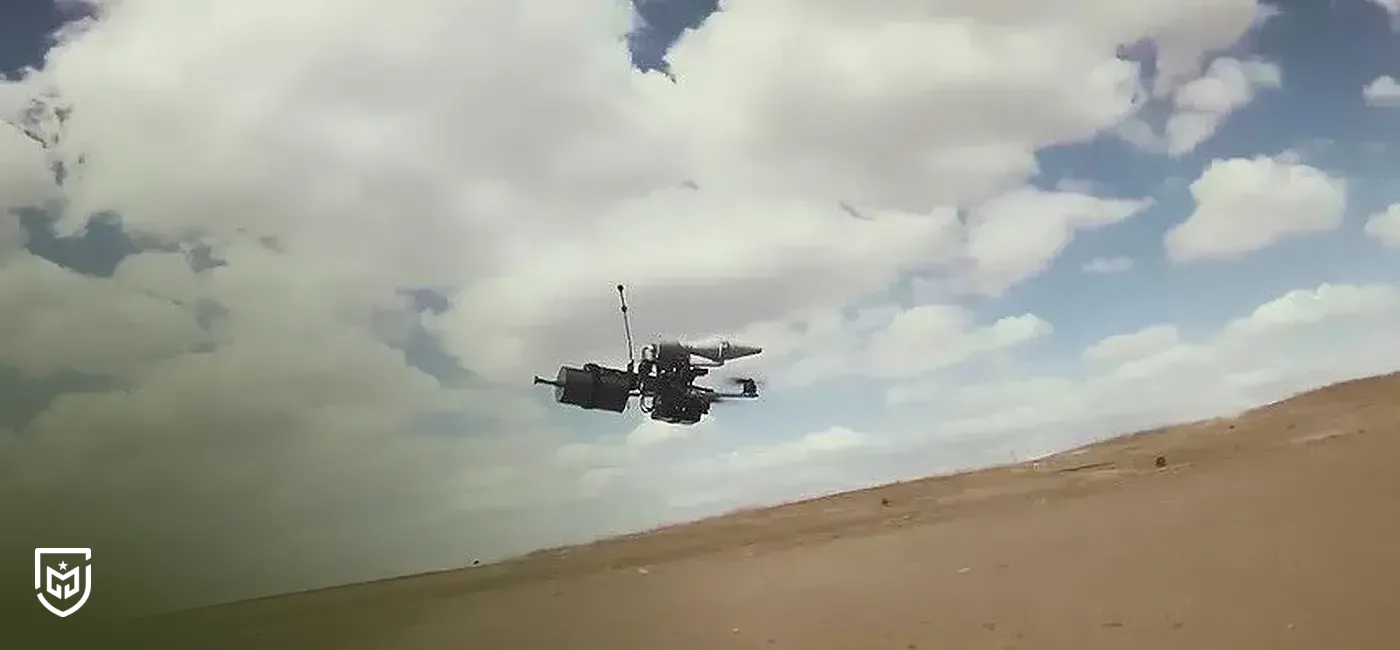
STM ALKAN FPV Delivered to Turkish Armed Forces
STM ALKAN FPV Kamikaze System Delivered to Turkish Security Forces
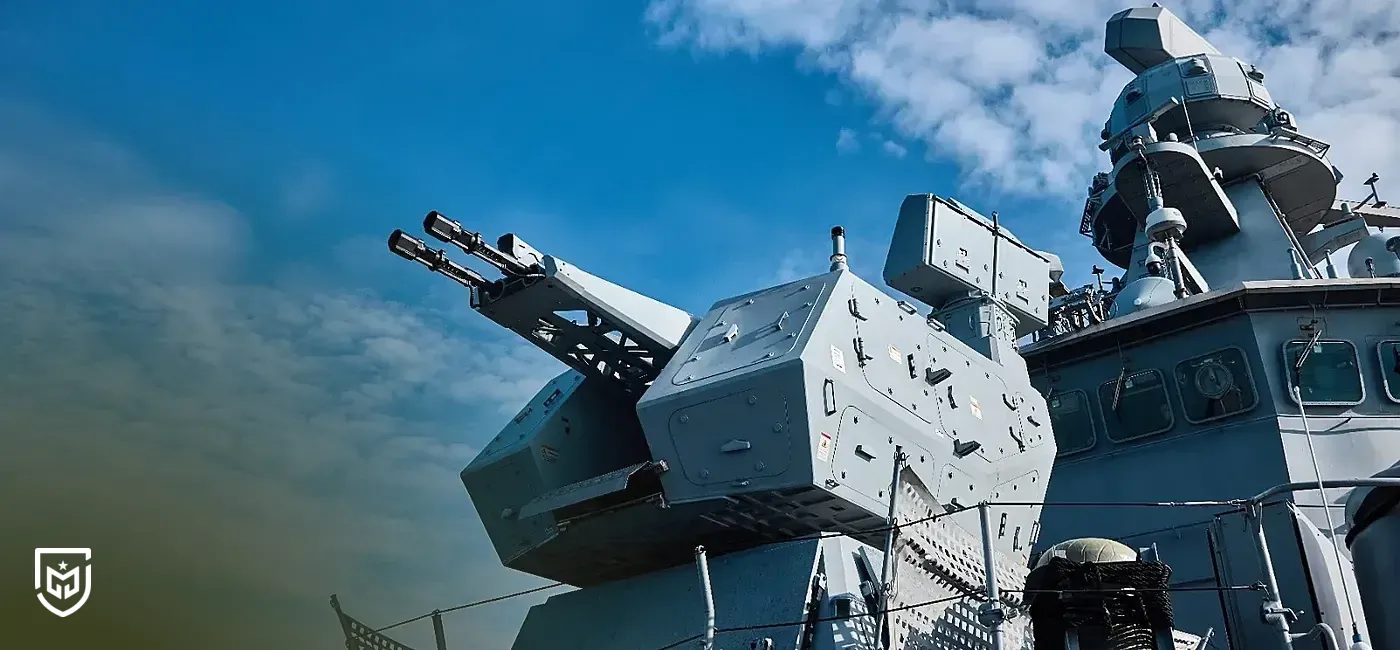
GÖKDENIZ Close-in Air Defense System Successfully Neutralizes UAVs at Sea
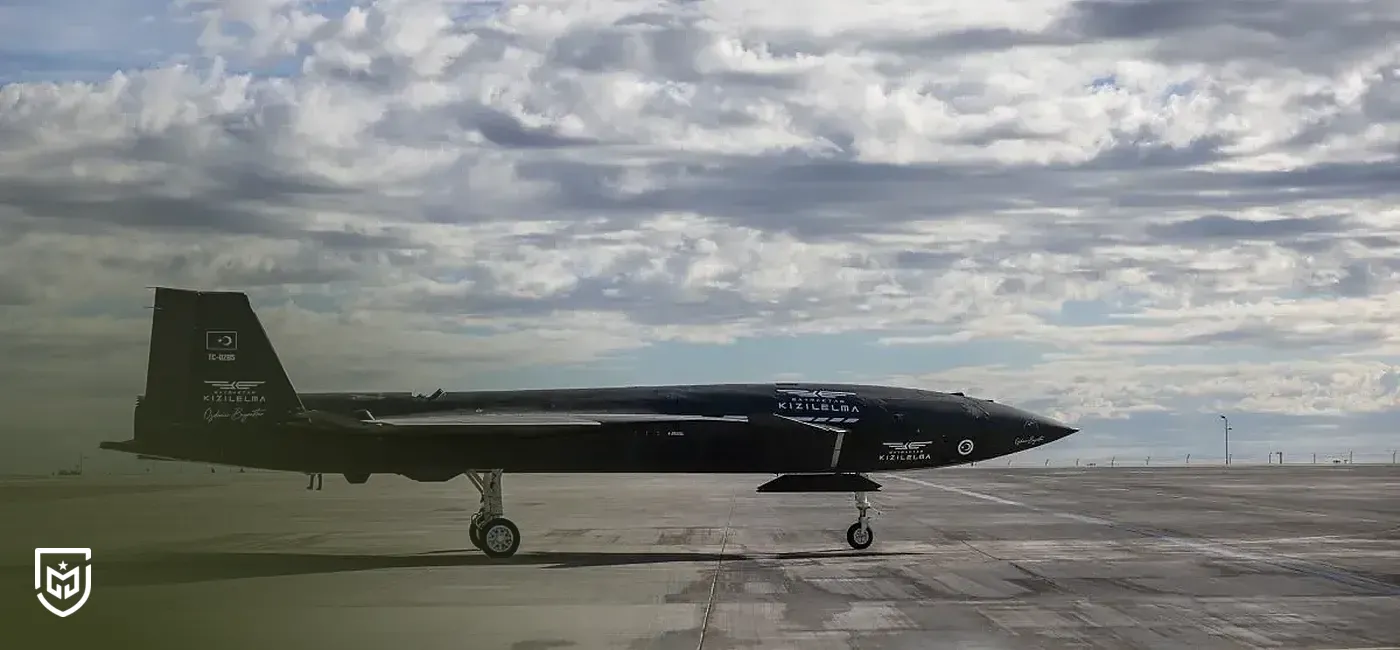
Turkey to Issue Commemorative Stamp Honoring Kızılelma Unmanned Fighter
AKINCI Successfully Releases ORKA Torpedo from Air
Akıncı-Orka Test: Turkey Advances Anti-Submarine Warfare Capabilities
Turkey's First International Electronic Warfare Conference Begins
TEDEG Defense Exports Military Frequency Converter to NATO Ally