



Air Forces News
Global Developments


BREAKING NEWS
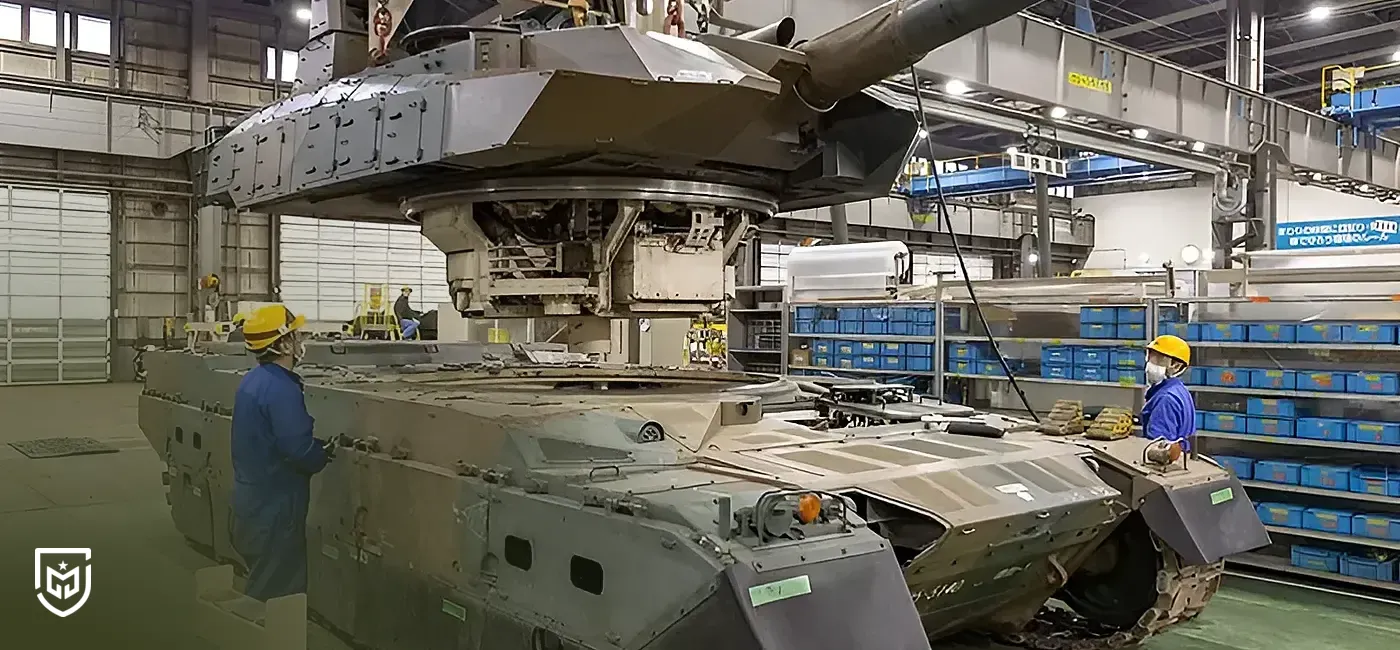
Japanese automotive parts suppliers are redirecting their focus toward the defense sector due to market contraction and intensifying competition in the traditional automotive industry. Companies such as Aster have begun manufacturing electric motors for US-based unmanned aerial vehicle (UAV) producer Anduril, noting that this sector offers higher profit margins compared to automotive motor production. The Japanese government is supporting this trend, aiming to leverage the technical expertise accumulated in the automotive sector within the defense ecosystem.
Japanese automotive suppliers are adapting their precision manufacturing capabilities, quality control standards, and engineering expertise—developed over decades—to defense applications. UAV motors require designs that differ significantly from automotive motors, demanding lighter weight, greater efficiency, and sustained operational performance. Kyowa Industrial has increased its defense sector sales from 3 percent to 10 percent of total revenue since spring 2025, while Kaaz has begun developing motors for military-grade UAVs. Ishikawa Energy Research is exploring military applications for gasoline-powered UAVs, emphasizing advantages such as increased payload capacity and extended range for reconnaissance missions compared to battery-powered systems.
Japan's orientation toward defense manufacturing reflects its desire to assume a more active role in the global security environment. Rising competition with China and regional tensions have intensified Japan's need to strengthen its own defense capabilities. Since 2014, the Japanese government has gradually relaxed controversial restrictions on defense equipment exports, a policy shift rooted in the nation's objective to maintain influence in critical technologies shaping global conflicts. The Acquisition, Technology and Logistics Agency (ATLA), under the Ministry of Defense, facilitates connections between automotive suppliers and defense companies, streamlining sector entry processes and offering new financing mechanisms.
The growing importance of UAV technology in the global defense market is driving Japanese suppliers toward this sector. US-based UAV manufacturers like Anduril demand high-performance motor systems, creating a market aligned with Japanese engineering standards. Despite being the world's third-largest automobile manufacturer, Japan produced approximately 900,000 fewer vehicles in 2025 compared to a decade earlier. Redirecting this production capacity and technical expertise toward defense represents an approach that integrates the nation's economic and strategic interests.
The Japanese government's initiative enjoys support from the United States. Japan has equipped its military largely with US defense technologies and aligns with Washington in the regional security environment. Koko Kato, a cabinet advisor to Prime Minister Sanae Takaichi, has noted collaboration opportunities between the automotive and defense sectors. However, major automakers such as Toyota, Honda, and Nissan remain cautious about defense sector participation due to concerns about reputation and their commercial operations in China. Kenichiro Fujimoto, Chief Financial Officer of Mitsubishi Electric, stated that the company is working on new military UAV initiatives but acknowledged that major automakers are reluctant to see their suppliers engage in defense activities.


The cookies used on our website are used to provide you with a better user experience and to improve our website. You can manage your cookie preferences from the options below.
 Tolga Demirel
Post Comment
Comments
No comments yet.
Related News
Electronic Warfare Technologies Showcased at International Platform in Ankara
Turkey and Saudi Arabia Sign Defense Industry Cooperation Agreement
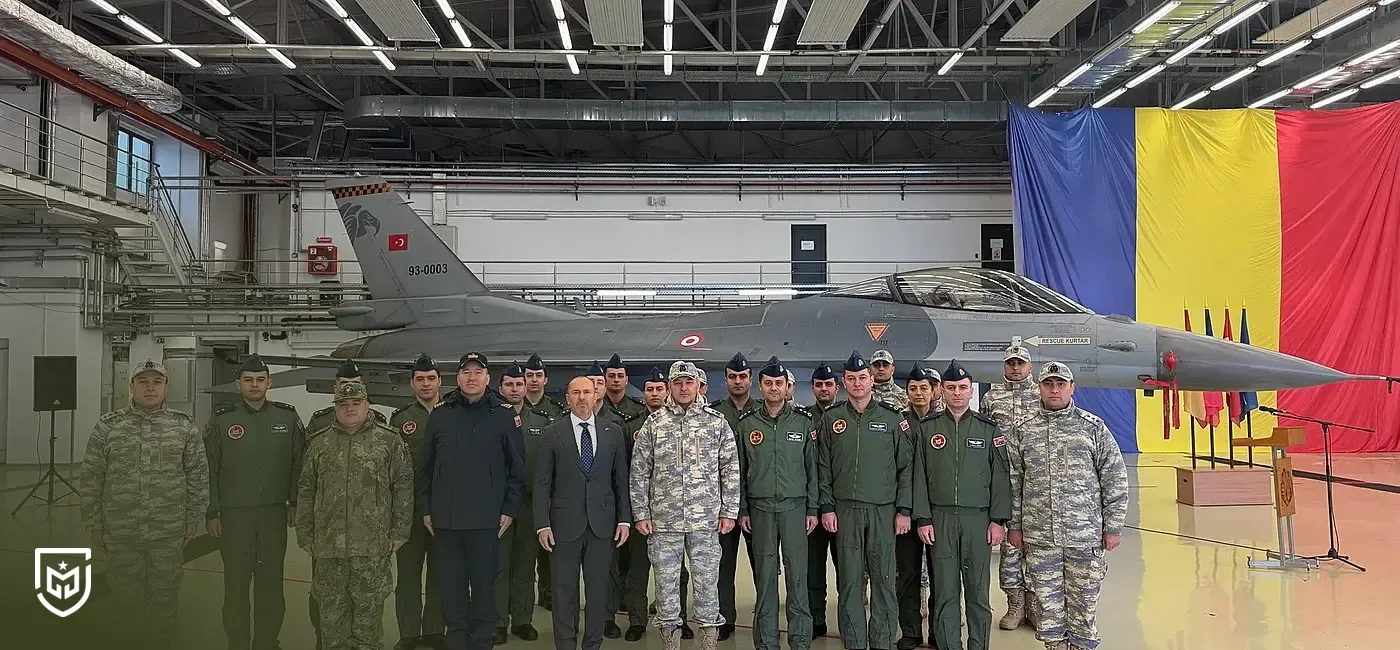
Turkish F-16s Deployed to Romania for NATO Enhanced Air Policing Mission
TOLUN L laser-guided munition successfully tested from AKINCI
STM ALKAN FPV Delivered to Turkish Armed Forces
U.S. Air Force Sets $16 Billion Investment Target for Advanced Propulsion Technologies
Turkey to Issue Commemorative Stamp Honoring Kızılelma Unmanned Fighter
AKINCI Successfully Releases ORKA Torpedo from Air