


Land Forces News
Weapons and Ammunition


BREAKING NEWS

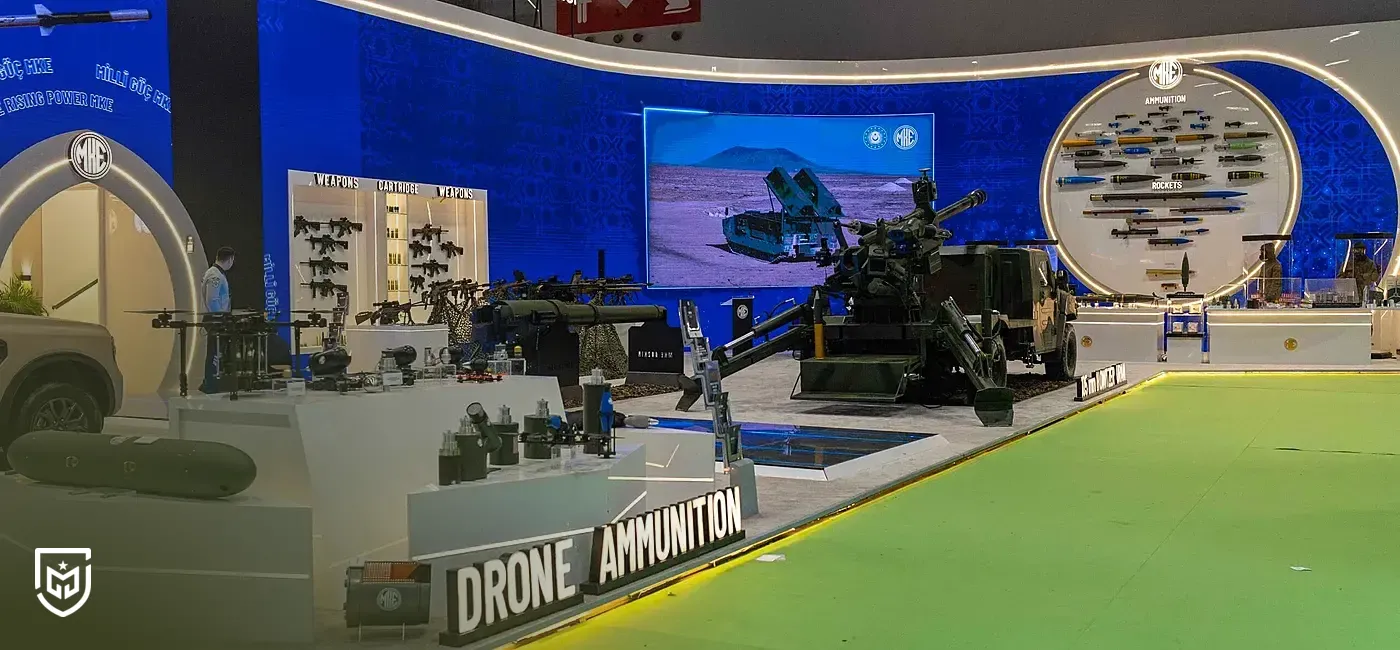
Makine ve Kimya Endüstrisi Inc. (MKE AŞ) is set to introduce one of its most innovative artillery systems, the Yavuz howitzer, to the global defense market. Designed to meet the demands of modern battlefields, Yavuz builds upon the proven success of the Fırtına howitzer, offering similar firepower in a highly mobile platform.
Equipped with a 155mm 52-caliber gun mounted on a 6x6 armored vehicle, Yavuz combines high mobility with reliable fire support. The system is capable of 4–6 rounds per minute, with an ammunition capacity of 18 rounds, and features rapid shoot-and-scoot capability, allowing it to evade enemy counterstrikes. With a dual-cabin design for five crew members and a top speed of 90 km/h, Yavuz provides strong maneuverability in both urban and rugged terrains.
One of its most notable features is the ability to reach 40 km range with MOD 274 ammunition, while its variable elevation angles allow for multiple rounds to strike the same target simultaneously. MKE has also announced plans to double Yavuz’s firing range through ongoing development efforts. Its fully armored structure, low maintenance requirements, and ease of transportation make Yavuz an attractive option for international buyers.
MKE has already advanced talks regarding Yavuz’s export potential. This step not only strengthens Türkiye’s global footprint in defense exports but also positions Yavuz as a competitive and reliable artillery system in the international arena.


The cookies used on our website are used to provide you with a better user experience and to improve our website. You can manage your cookie preferences from the options below.
 Levent Kılıçalan
Post Comment
Comments
No comments yet.
Related News
MKE delivers naval gun, tank weapons and ammunition systems
Bulgaria receives first Stryker 8×8 armored vehicles
Bayraktar TB2 Conducts Integrated Operations with FPV Kamikaze Drones
IKA F481 Unmanned Ground Vehicle Aims for Defense Industry Integration
MSPO 2026: Poland's Defense Strategy and South Korean Partnership
Canik PRIME RADIAN Wins Two Major Awards in the United States
Canik Showcases Heavy Machine Gun Systems at BORAN VIII International Sniper Competition
Turkish defense industry develops joint mission capability for unmanned systems