


Air Forces News
Electronic Systems


BREAKING NEWS
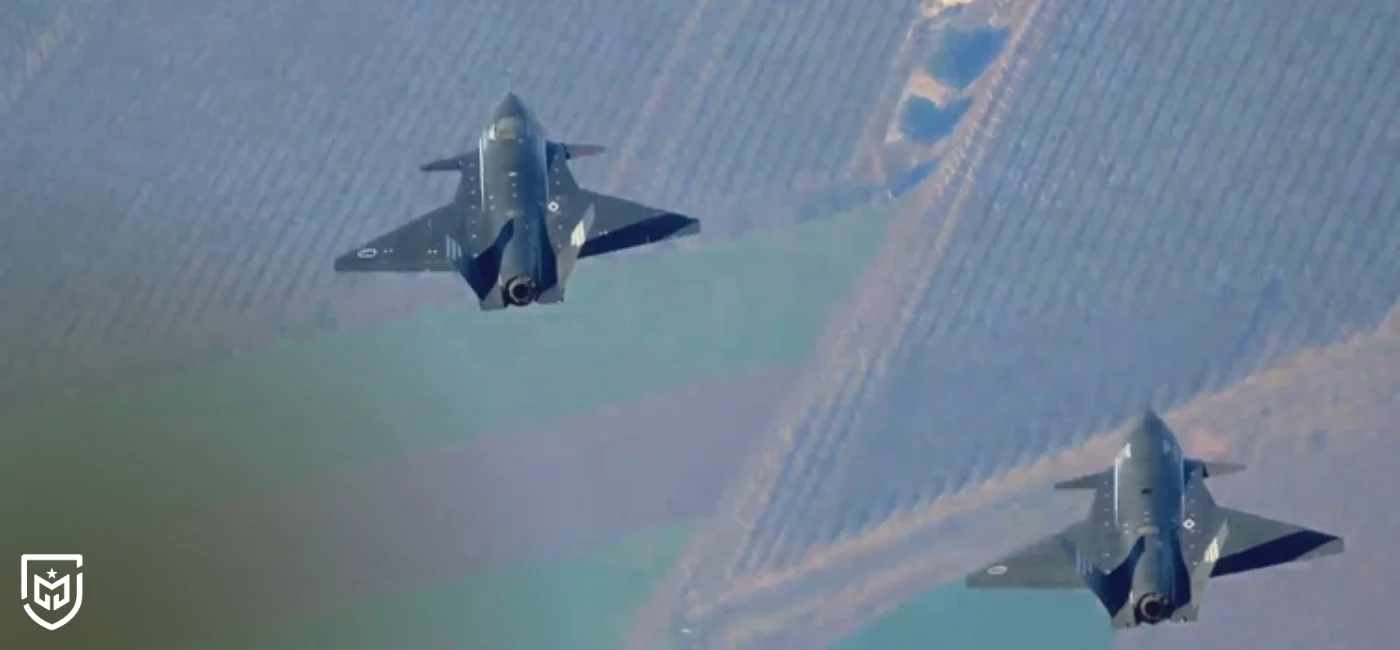
The rise of Türkiye’s unmanned combat aviation ecosystem is entering a new phase with the introduction of ASELSAN’s KARAT system. Developed as an infrared-based passive search, detection, and tracking solution, KARAT has already been integrated into Bayraktar KIZILELMA and validated through flight testing. The system is also expected to be used in the near future on Türkiye’s National Combat Aircraft, KAAN. With this step, Türkiye is extending a capability normally associated with advanced fighter aircraft into both the unmanned combat aircraft domain and its next-generation manned airpower architecture.
One of KARAT’s most significant advantages is its ability to detect airborne threats without emitting active electromagnetic signals like a radar. The KARAT 100 is designed with passive infrared search and track functionality, an LWIR imaging channel, single and multiple target tracking features, a wide scan area, and reduced scanning time. The system is intended to detect air targets silently, determine their three-dimensional position, and provide the host platform with what can be described as a low-observable sensing advantage. This makes KARAT especially valuable in detecting and tracking low-signature or stealth-oriented aerial threats without compromising the position of the carrying platform.
Its integration into KIZILELMA is particularly important. Until now, KIZILELMA has mainly stood out for its speed, low radar visibility profile, and advanced strike potential. With KARAT, however, the platform also moves into a new category of passive air-to-air awareness. This means that an unmanned combat aircraft is no longer limited to strike and reconnaissance roles alone, but can increasingly generate its own tactical air picture and monitor hostile aircraft without revealing itself through radar emissions. In operational terms, this marks a notable evolution in the combat independence of Turkish unmanned air platforms.
KARAT’s expected integration into KAAN raises the strategic importance of the system even further. In modern air warfare, it is no longer enough to simply reduce visibility; the ability to detect the enemy without transmitting signals has become equally decisive. For this reason, IRST-class systems are not merely complementary to radar, but in many cases serve as mission-critical sensors that can shape the outcome of an engagement. By fielding KARAT on both KIZILELMA and KAAN, Türkiye is demonstrating that it is building indigenous, high-value sensor solutions for the demands of next-generation air combat. As these integrations mature, KARAT could provide Turkish airpower with a meaningful advantage built around the principle of “seeing without being seen.”


The cookies used on our website are used to provide you with a better user experience and to improve our website. You can manage your cookie preferences from the options below.
 Süheyla Yıldız
Post Comment
Comments
No comments yet.
Related News
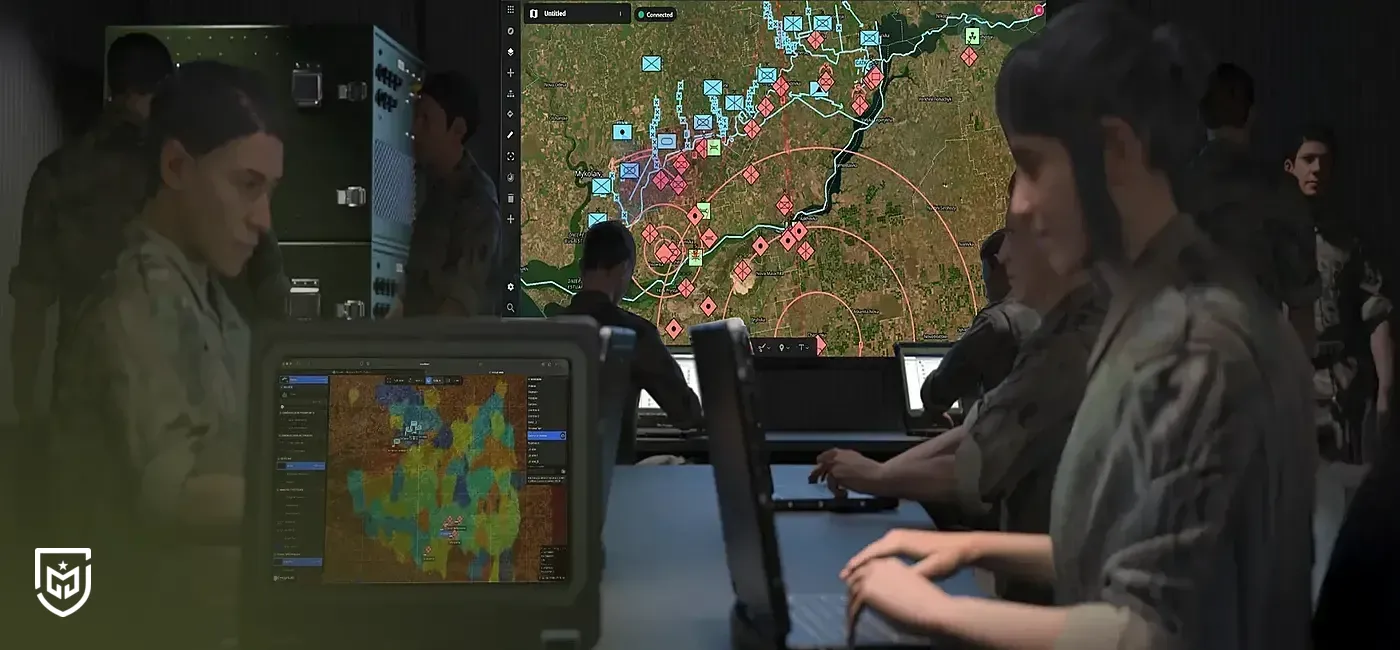
Thales Introduces HexaForce AI-Powered Command and Control System to Gulf Region
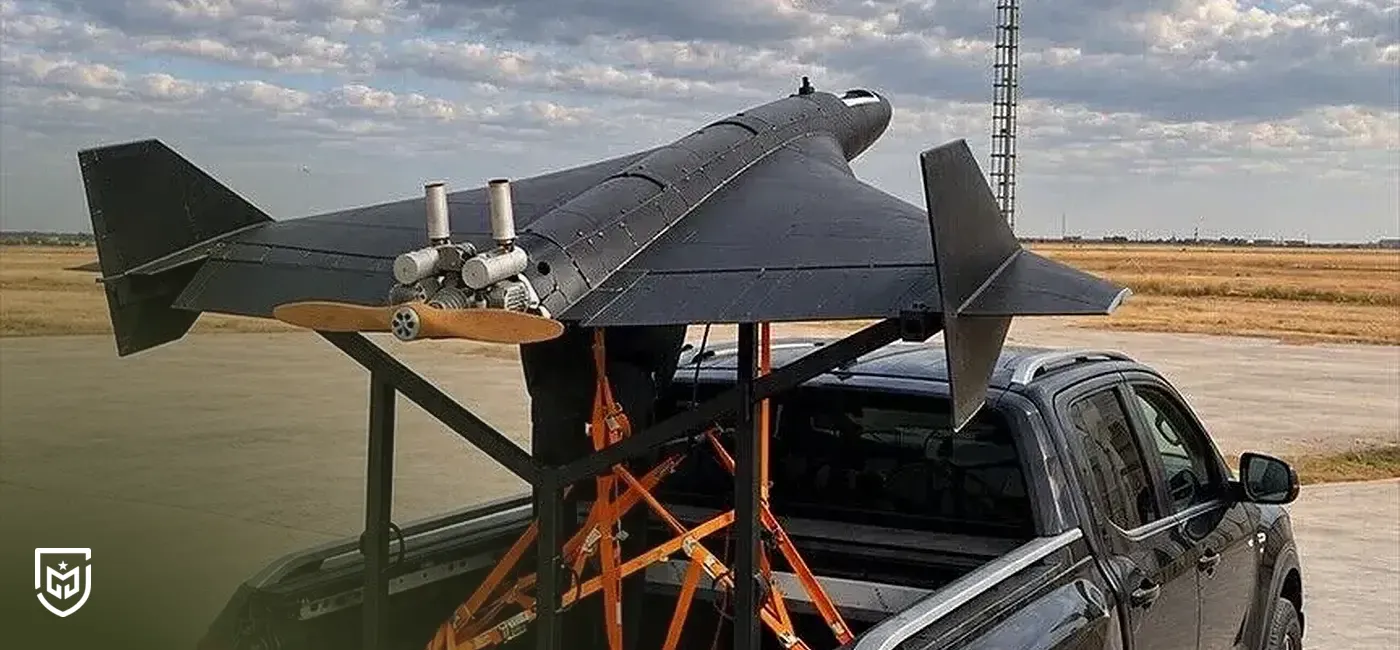
ÇEPNI Tactical UAV Family Enters Operational Service
ASELSAN's Drone-Hunting System Completes Successful Demonstration
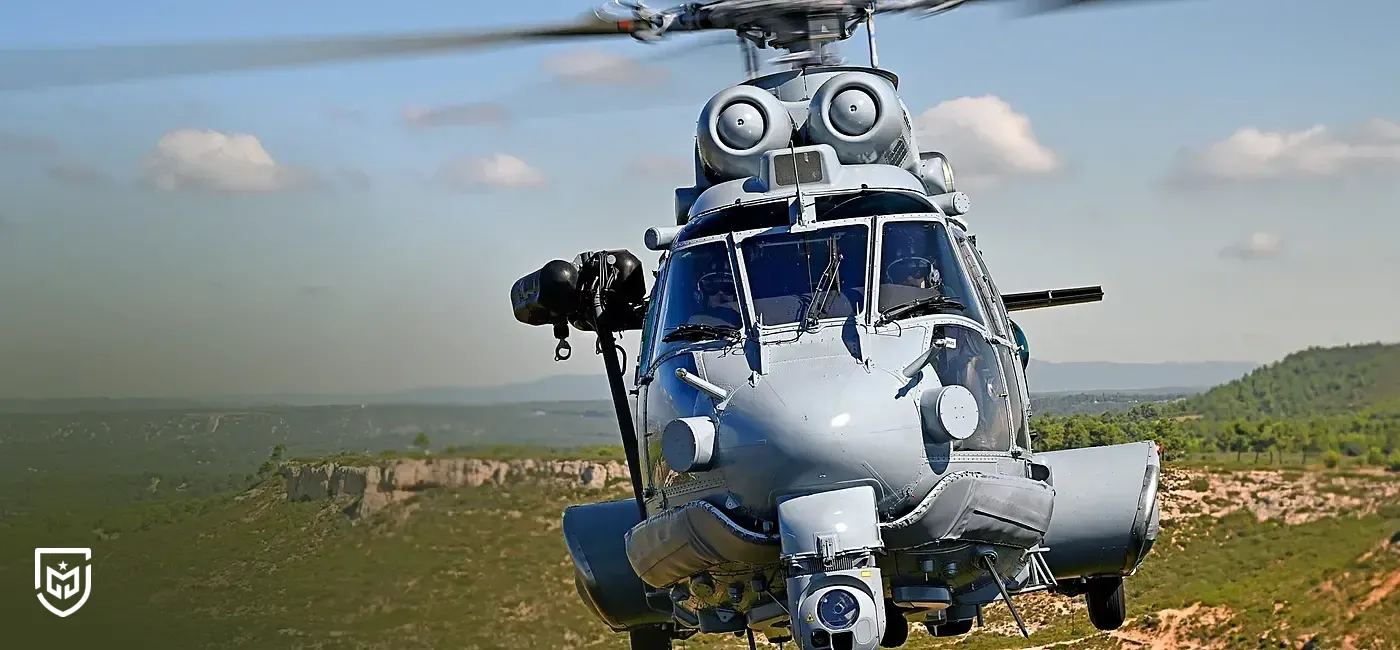
Romania Signs Contract for Airbus H225M Helicopter Procurement
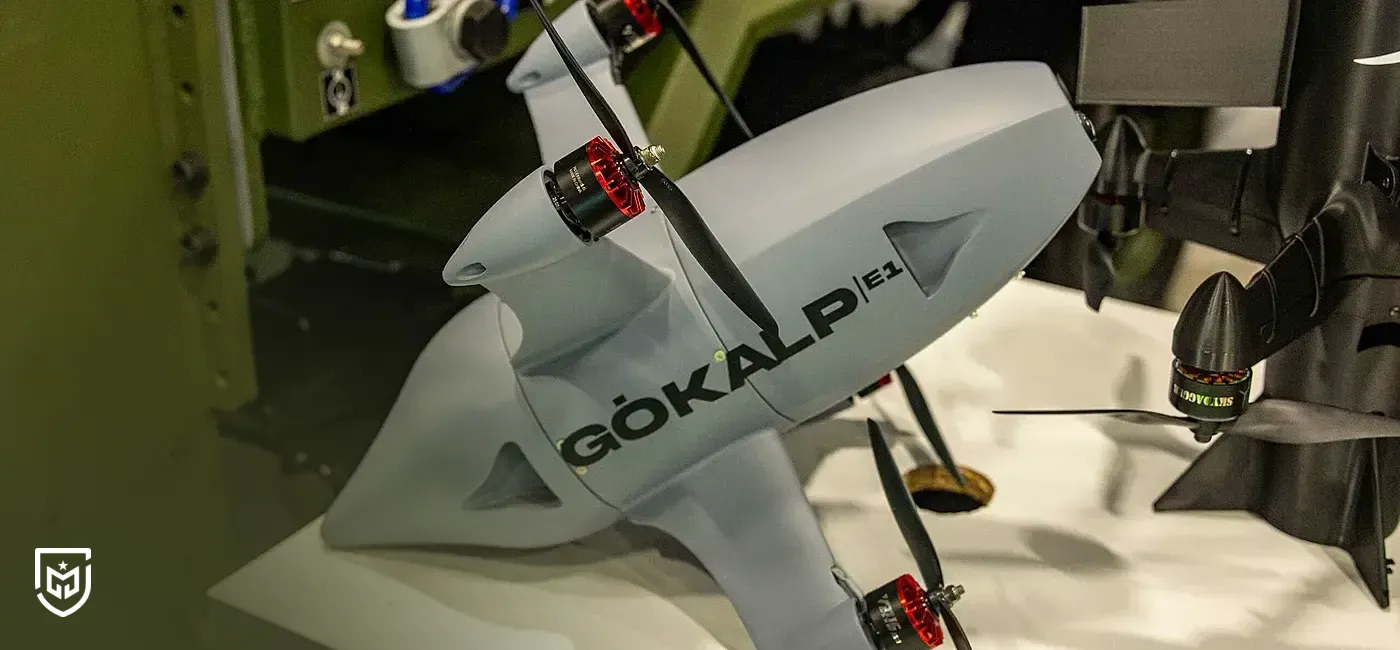
ASELSAN's GÖKALP drone defense system completes successful demonstration
SSB Chief Görgün Warns Against Open Source Intelligence Risks
SSB Chief: Localization in Defense Projects Starts from Design Phase
AKINCI UAV Successfully Tested with MORFOZ Guidance Kit