

Infantry Weapons


BREAKING NEWS
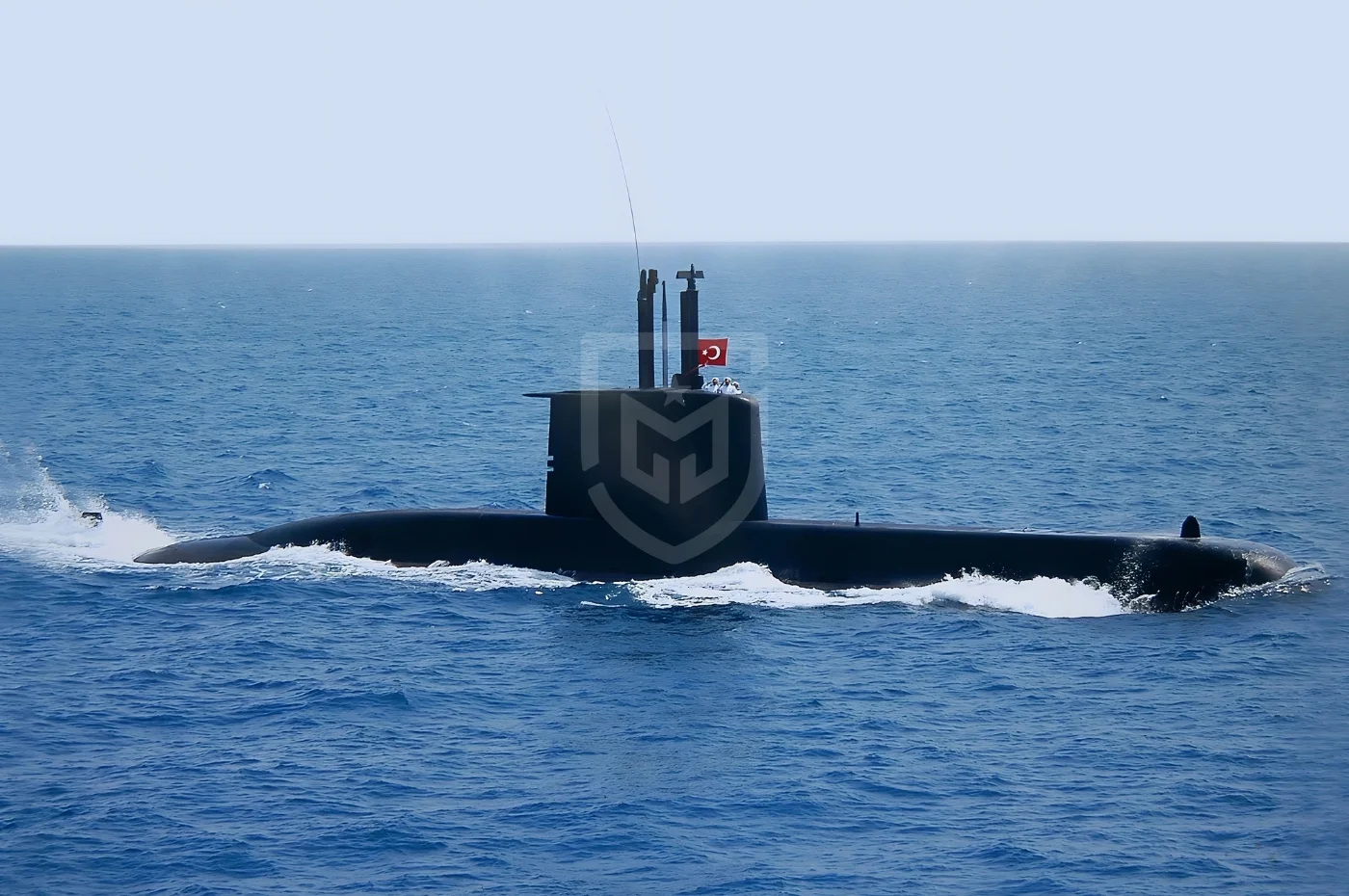
The Preveze-class submarines form a critical component of the Turkish Navy’s undersea warfare capability. Commissioned in the 1990s, these platforms are based on the German Type 209/1400 Mod design and have long provided effective anti-surface and anti-submarine capabilities. However, the evolution of naval warfare — including network-centric operations, advanced sensor fusion, low-signature threats, and increased electronic warfare activity — necessitated a structured mid-life modernization.
This program is not merely a system replacement effort; it represents a doctrinal and digital transformation aimed at maintaining operational relevance into the 2030s.
Operational Purpose and Role
The modernization ensures that the Preveze-class submarines can continue to perform:
Anti-submarine warfare
The focus areas include enhanced fire control, improved navigation accuracy, secure communications, and integration into network-enabled operational structures.
Doctrine and Concept of Operations
The upgraded submarines are intended to operate within a network-centric framework alongside surface combatants, maritime patrol aircraft, and other naval assets. The integration of satellite communication masts and floating antenna systems enables data exchange with reduced exposure, enhancing survivability and mission endurance.
This capability supports:
Platform Architecture
The modernization scope includes upgrades or replacements of:
These upgrades are designed to function within an integrated combat management architecture, with emphasis on indigenous system development and engineering autonomy.
Survivability and Protection Approach
Although hull structure and primary propulsion remain unchanged, survivability improvements include:
Detailed electronic warfare resistance parameters are not publicly disclosed.
Integration Ecosystem
The modernized submarines are expected to operate in conjunction with:
Indigenous weapon integration is a strategic objective of the program.
Advantages and Limitations in Modern Threat Environment
Advantages:
Limitations:
The program upgrades existing capabilities rather than transforming the submarines into a next-generation design.
Detailed Technical Information
Dimensions and Displacement
Exact platform-specific values may vary.
Propulsion System
Detailed engine and generator specifications are not publicly disclosed.
Performance
Sensors and Detection
Modernization includes:
Detailed sonar specifications are not publicly disclosed.
Engagement and Weapons
Fire control modernization details remain limited in public sources.
Command and Control
Specific data link standards are not publicly disclosed.
Logistics and Shipyard Activities
Modernization is conducted in Turkish naval shipyards under national industrial leadership. Structural inspections, maintenance and system upgrades are performed concurrently, contributing to domestic submarine sustainment expertise.
Frequently Asked Questions
What is the purpose of the Preveze modernization?
Does the modernization include Air-Independent Propulsion?
Which systems are being upgraded?
How many submarines are included?
How long will the submarines remain in service?
Is indigenous weapon integration planned?
Sources




The cookies used on our website are used to provide you with a better user experience and to improve our website. You can manage your cookie preferences from the options below.