

Electronic Systems


BREAKING NEWS
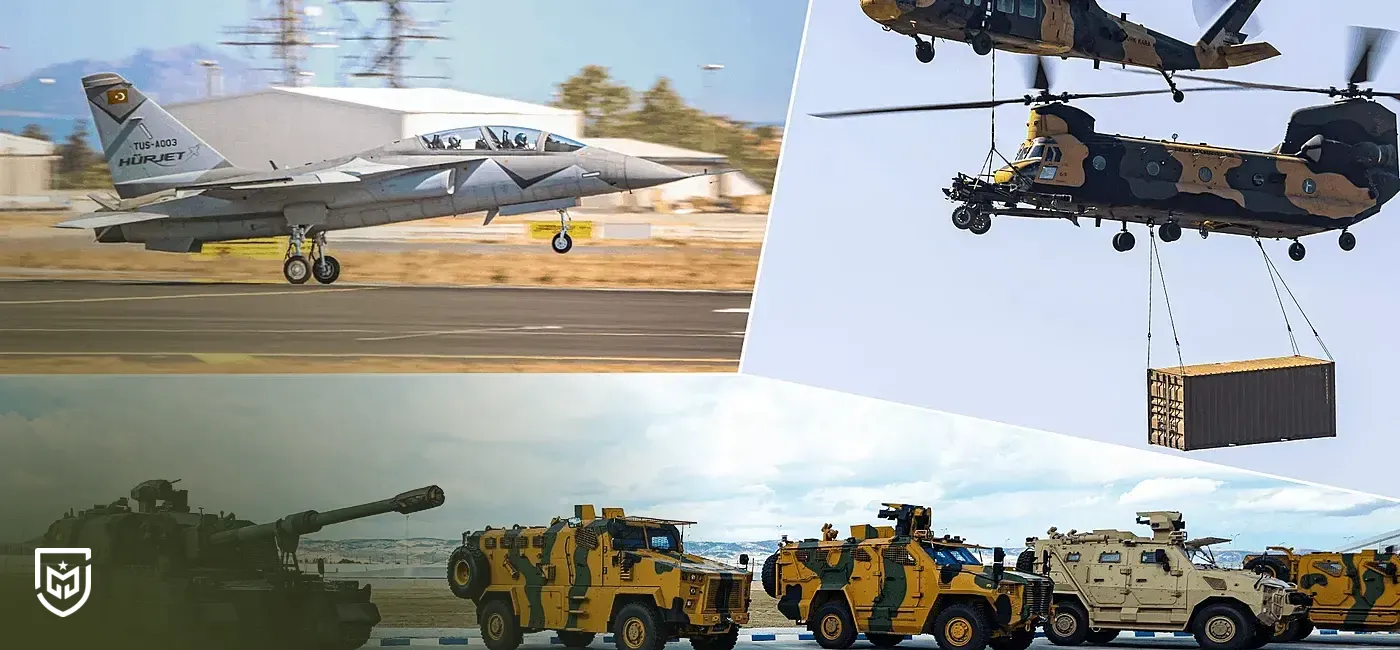
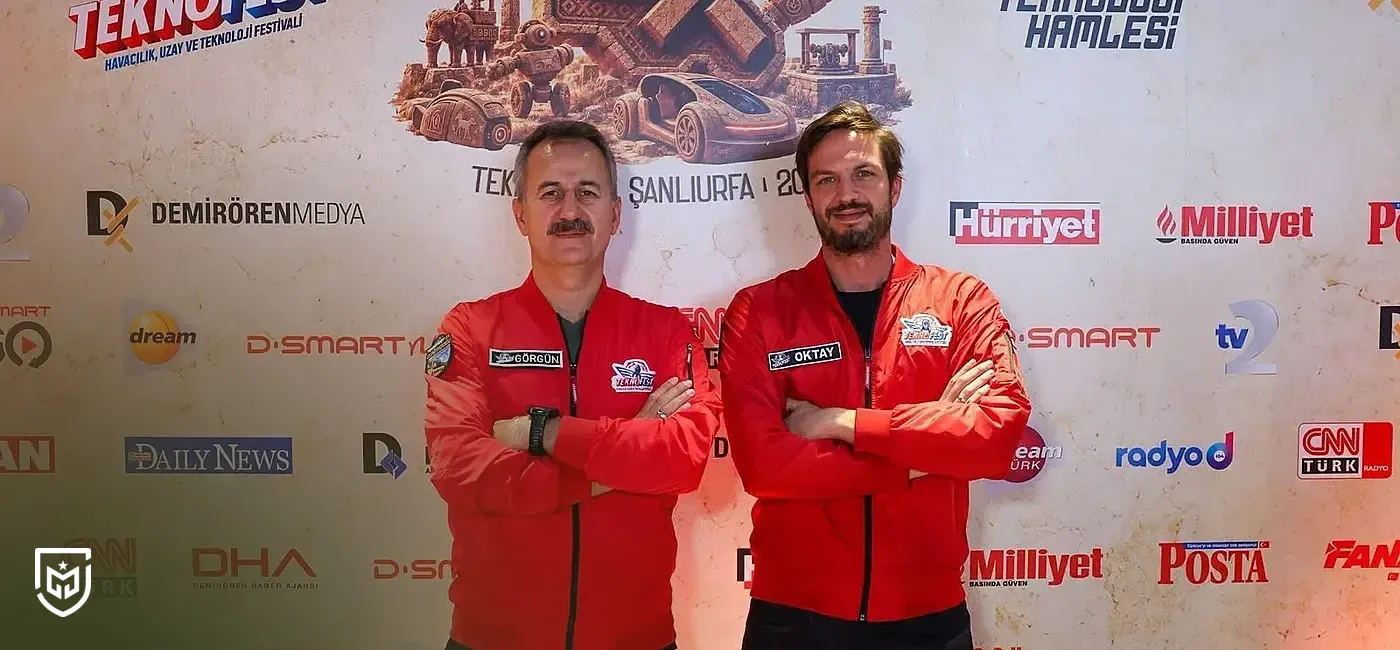
The SSB (Defense Industry Agency) Chief Prof. Dr. Haluk Görgün addressed national security concerns in an interview with Radio D regarding the disclosure of defense industry developments to the public. Görgün stressed that information about Turkey's technological capabilities must be handled with caution, noting that adversarial nations closely monitor the Turkish defense sector. He highlighted that two out of every three unmanned aerial vehicles sold globally are produced in Turkey, with cost-effectiveness and deterrent impact being primary reasons for their selection.
Görgün emphasized the necessity of selective information sharing, stating that technical specifications such as range, flight duration, and endurance should not be disclosed in detail when platforms, ammunition, or weapon systems are developed. Information the public needs to know should be shared proportionally, but within defined boundaries. The Chief explained that while the SSB provides support during product development, the true owner of a product is not the manufacturing company but the end-user who pays for it.
While acknowledging that public curiosity sometimes leads to detailed questions, the SSB Chief cautioned against the risk that overshared information could create vulnerabilities and be used against Turkey in the future. Görgün called for media and public understanding on this matter. Citing past incidents involving open-source intelligence, he referenced an example where a soldier's social media post revealed FIRTINA howitzers deployed in Northern Cyprus, which was subsequently used as propaganda material by Greek and Greek Cypriot channels.
Open-source intelligence (OSINT) risks in the defense sector are evident internationally. When U.S., French, and other military personnel used the Strava fitness application, patrol routes and building layouts of classified military bases in Syria, Afghanistan, and Africa were exposed through heat maps. Similarly, the location of a French aircraft carrier task group operating in the Eastern Mediterranean was disclosed due to a French serviceman's Strava activity. These examples demonstrate how seemingly innocent posts can transform into major security breaches.
Turkey's strong global market position and export success in defense manufacturing make the protection of technological advantages even more critical. Products' competitive edge depends on the confidentiality of technical specifications. The SSB Chief's warning, while noting that defense company executives exercise greater caution, underscores the need for enhanced discipline in corporate communications and social media use. In an era when open-source intelligence is employed to monitor technological developments, strategic selectivity in information sharing is indispensable for preserving Turkey's defense sector advantages.


The cookies used on our website are used to provide you with a better user experience and to improve our website. You can manage your cookie preferences from the options below.
 Sinan Karadağ
Post Comment
Comments
No comments yet.
Related News
SSB Chief: Localization in Defense Projects Starts from Design Phase
AKINCI UAV Successfully Tested with MORFOZ Guidance Kit
Ireland selects Thales Ground Master radar for air surveillance capability
German F125 Frigates to Receive IRIS-T SLM Air Defense System Integration
Turkish Naval Defense Technologies Showcased at Nusret-2026 Exercise
ASELSAN signs over $6 billion in defense contracts in two weeks
ASELSAN Signs 157.9 Million Dollar Export Contract
ASELSAN Expands TOLUN Munition Family with New Variants