BREAKING NEWS
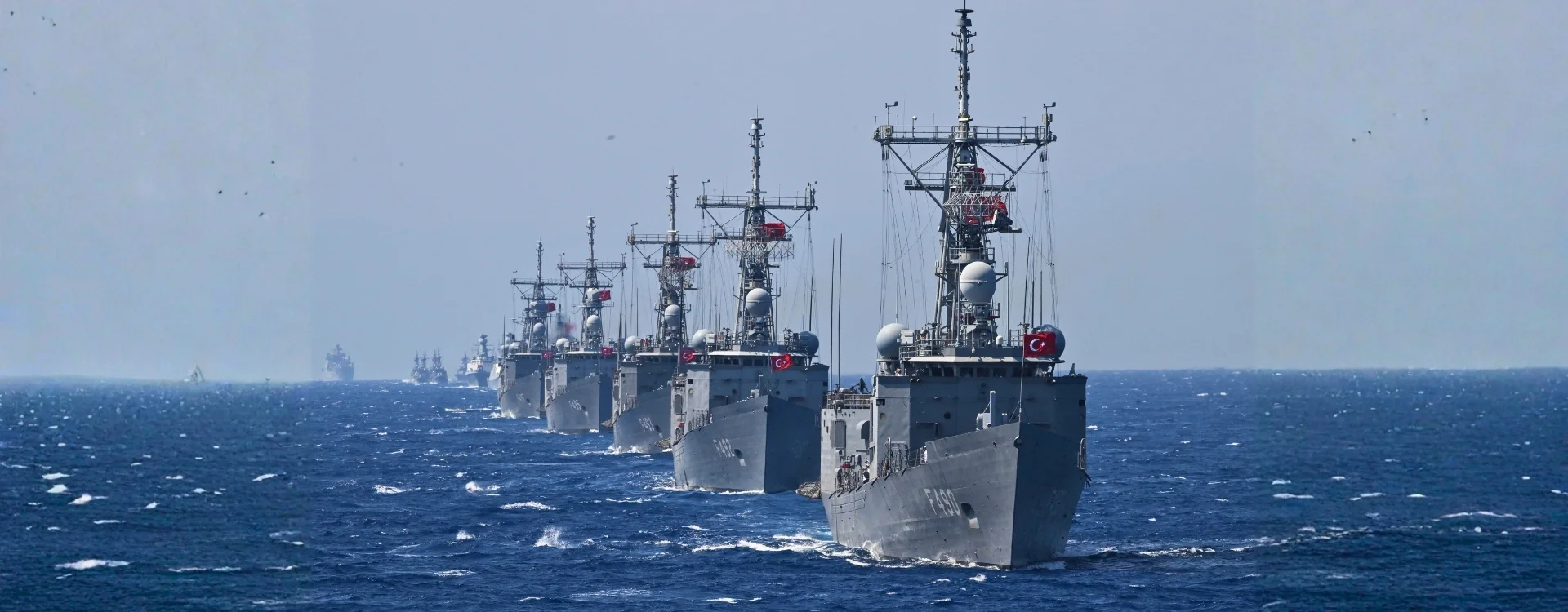
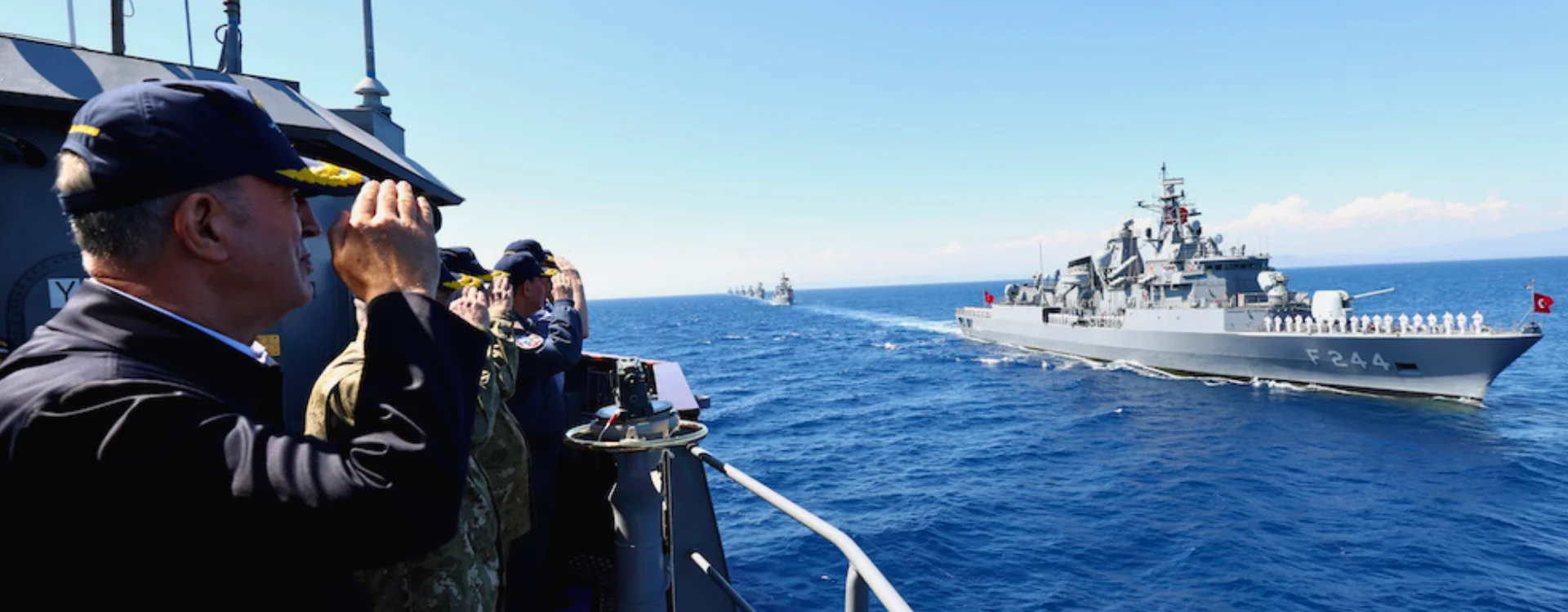
Sea power theories are strategic approaches that argue states can achieve global influence and dominance through control of the seas. According to these theories, a country that controls maritime routes can direct global trade flows and gain significant economic advantage. Throughout history, the rise of major powers has often been closely linked to naval dominance and control of key trade routes. For this reason, sea power is not only a military asset but also a crucial economic and political instrument.
From a more technical perspective, sea power theories are largely shaped by the ideas of Alfred Thayer Mahan, who emphasized that a strong navy, strategic ports, and control of maritime trade routes are essential for becoming a global power. Key components of this framework include naval capacity, overseas bases, logistical support, and maritime security. In the modern era, these theories have evolved with the integration of aircraft carriers, submarines, unmanned systems, and cyber maritime security. As a result, sea power continues to be a fundamental element of modern military strategy and global competition.


The cookies used on our website are used to provide you with a better user experience and to improve our website. You can manage your cookie preferences from the options below.



 Süheyla Yıldız