BREAKING NEWS
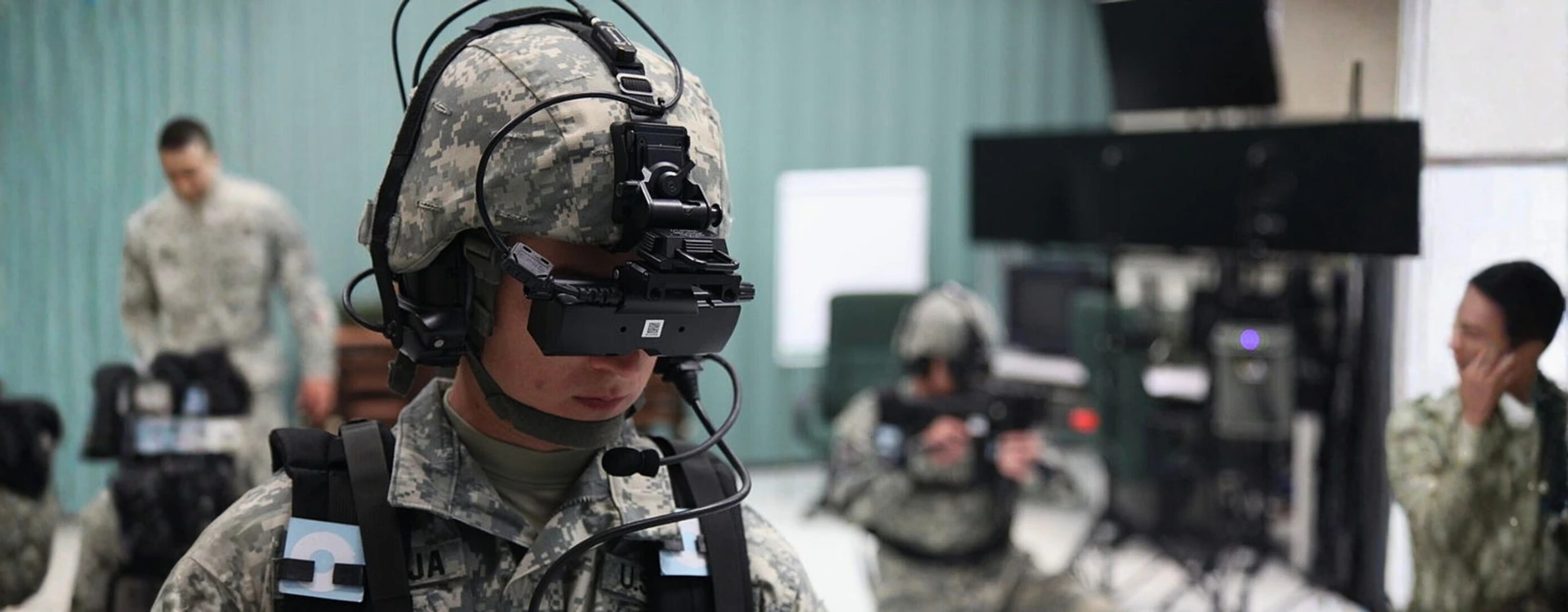
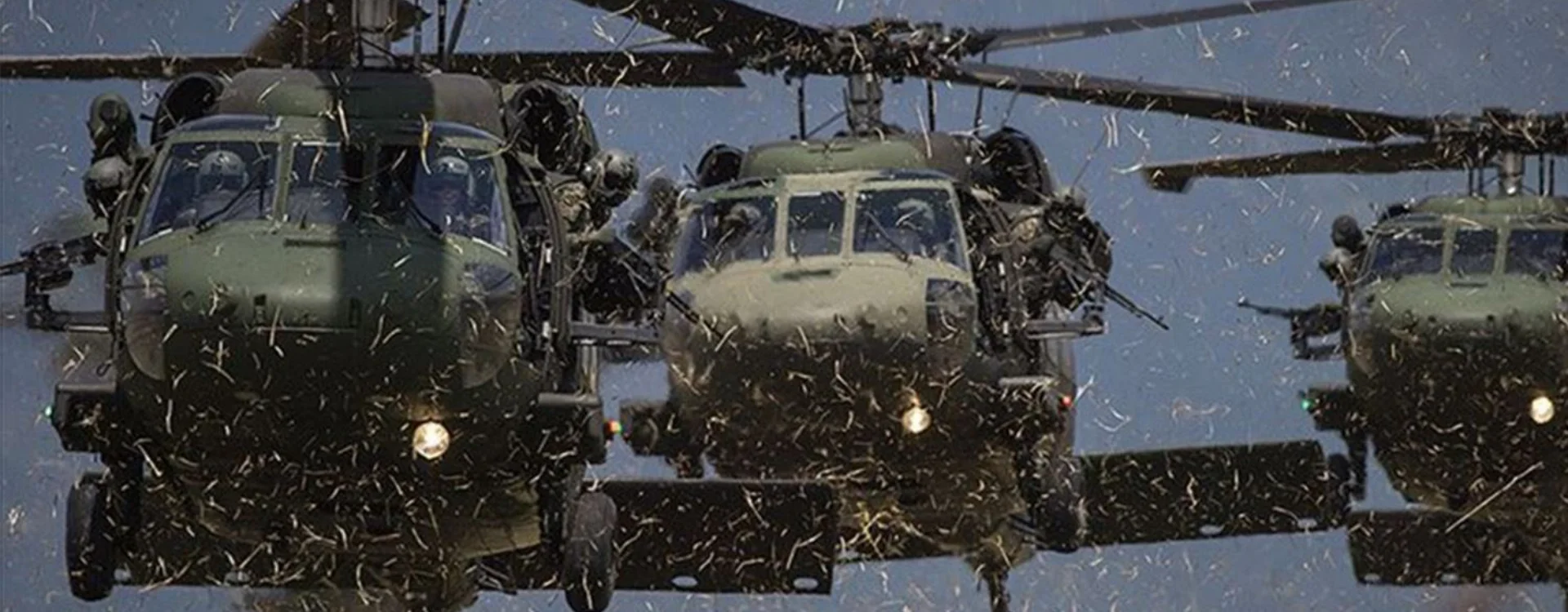
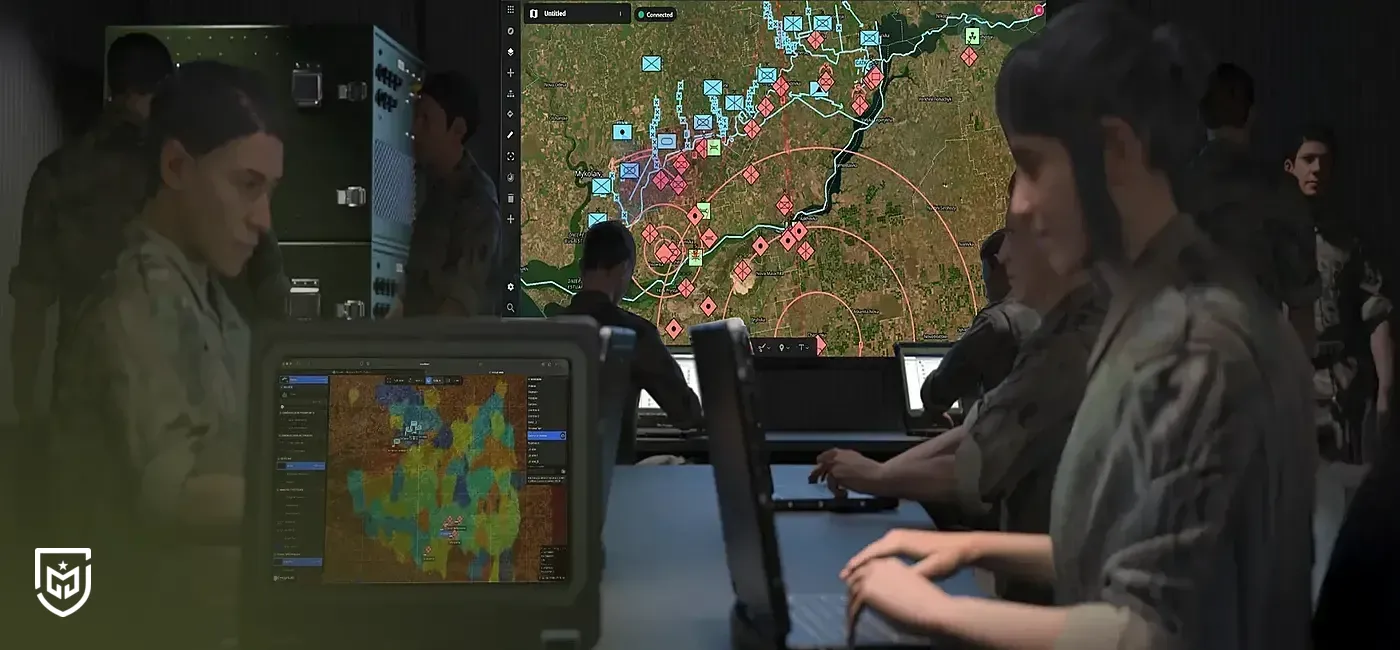
When military technology is mentioned, tanks, fighter jets, and missiles are usually the first things that come to mind. However, the true strength of modern armies lies in advanced systems that remain largely unknown to the public and are often kept classified. Artificial intelligence–supported decision-making systems, electromagnetic weapons, directed energy weapons, and hypersonic platforms are among the key technologies redefining contemporary warfare doctrines. Intelligent radar networks capable of detecting threats before they fully emerge and defense systems that can respond within seconds clearly demonstrate that military superiority is no longer based solely on manpower, but on data dominance and speed. In this context, the Iron Dome has become a symbol of modern air defense thanks to its ability to automatically intercept short-range rocket threats.
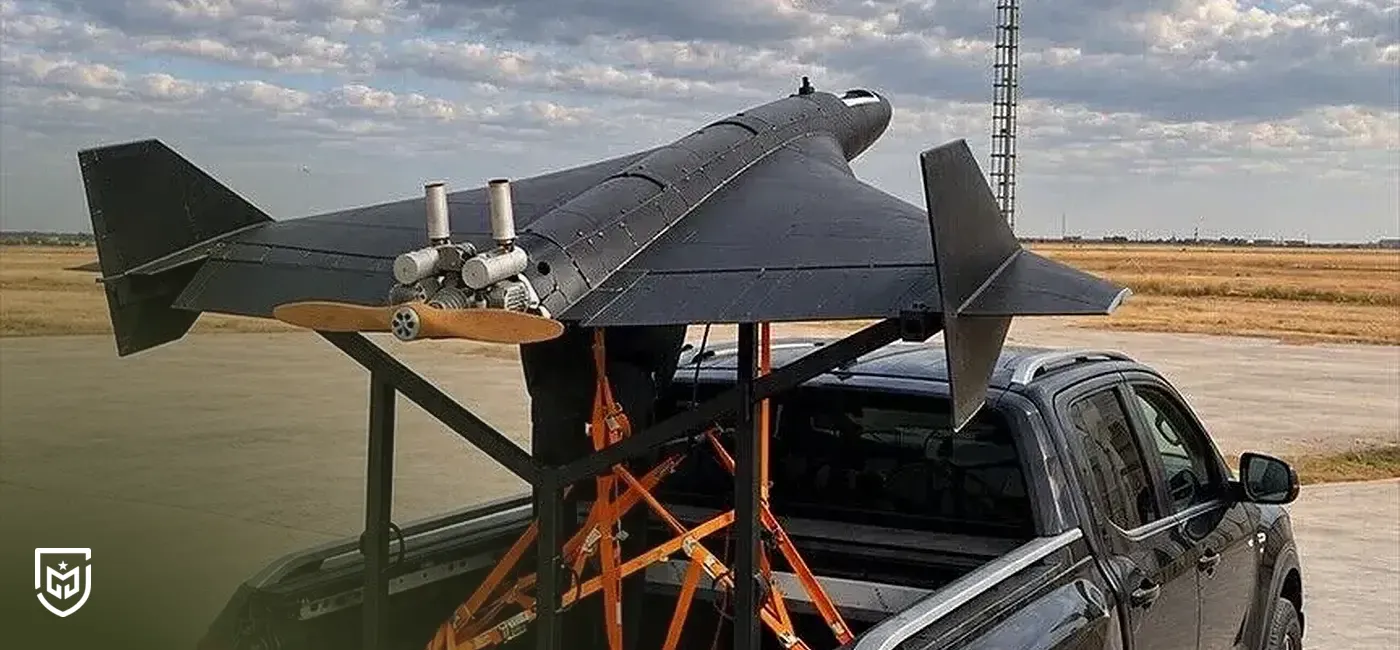
Another striking dimension of military innovation is invisibility and situational awareness. Stealth technologies minimize radar signatures, allowing aircraft to operate undetected in hostile airspace. One of the most prominent examples in this field, the F-35 Lightning II, functions not only as a combat jet but also as a flying command center with its sensor fusion and network-centric warfare capabilities. In addition, navigation systems that are not dependent on GPS ensure uninterrupted operations even in intense electronic warfare environments. From a historical perspective, just as radar revolutionized warfare in the mid-20th century, artificial intelligence and autonomous systems are now transforming military balances on a similar scale. The wars of the future are evolving toward a hybrid structure where humans and machines make decisions together, placing military technologies at the very center of global security strategies.


The cookies used on our website are used to provide you with a better user experience and to improve our website. You can manage your cookie preferences from the options below.




 Süheyla Yıldız