BREAKING NEWS
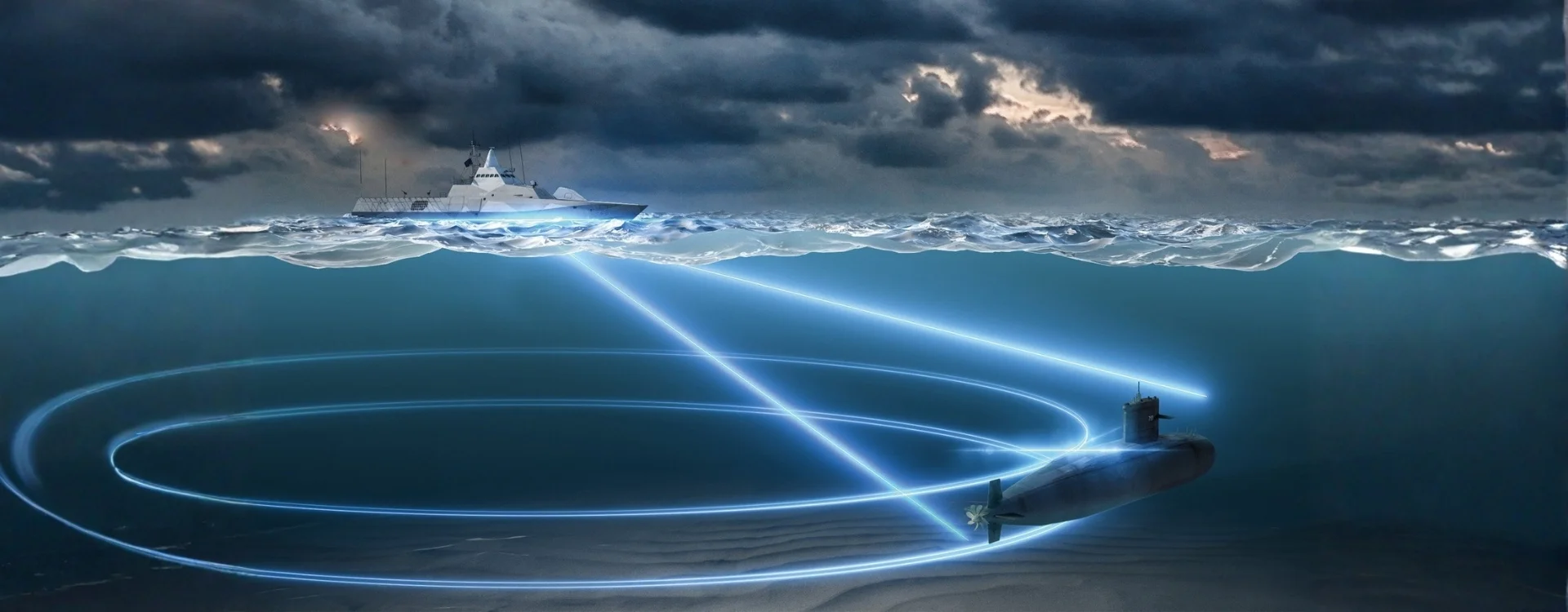
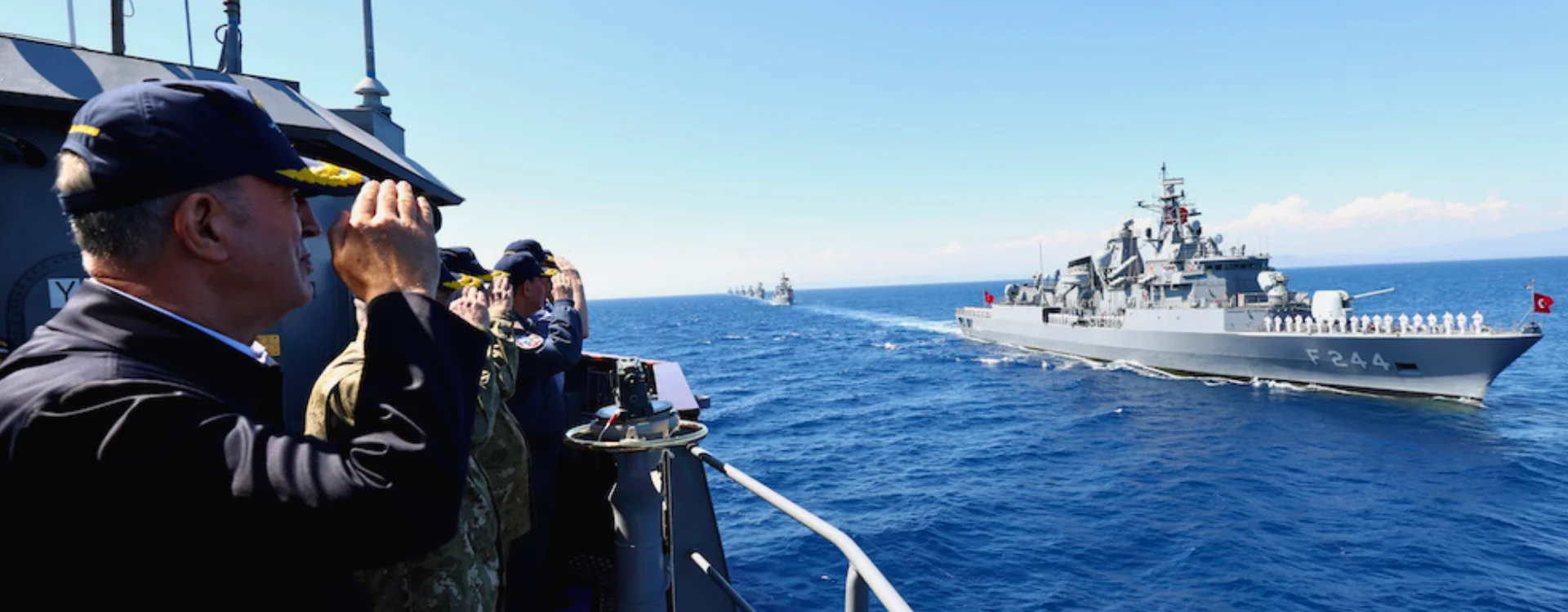
Anti-submarine warfare tactics represent one of the most critical and complex pillars of modern naval operations. Subsurface threats are among the hardest targets to detect due to their silent movement and advanced stealth capabilities. For this reason, submarine defense is not limited to protecting naval fleets alone; it plays a vital role in securing ports, safeguarding global trade routes, and maintaining control over national maritime zones. Today’s navies rely on layered and integrated defense concepts to detect and neutralize submarine threats at the earliest possible stage.
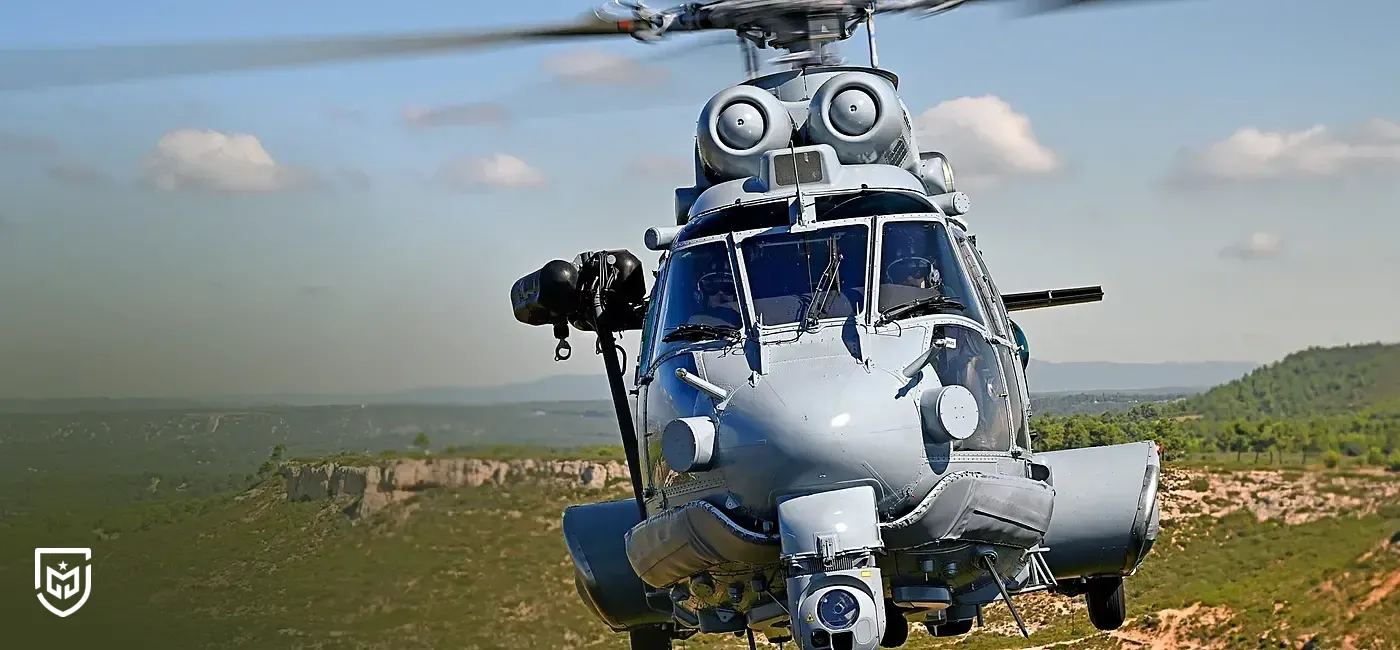
From a technical perspective, anti-submarine operations are built around sonar systems, aerial assets, and surface combatants. Active and passive sonar technologies analyze underwater acoustic signatures to determine submarine positions, while maritime patrol aircraft and naval helicopters provide wide-area surveillance and rapid response capabilities. Key components such as magnetic anomaly detection, sonobuoy-based listening systems, and torpedo countermeasures form the backbone of modern submarine hunting doctrines. Historically developed during the Cold War, these tactics have evolved with artificial intelligence–assisted data analysis and network-centric warfare concepts, transforming anti-submarine warfare into a cornerstone of strategic deterrence in contemporary naval power projection.


The cookies used on our website are used to provide you with a better user experience and to improve our website. You can manage your cookie preferences from the options below.



 Süheyla Yıldız