


Land Forces News
Missiles and Rockets


BREAKING NEWS
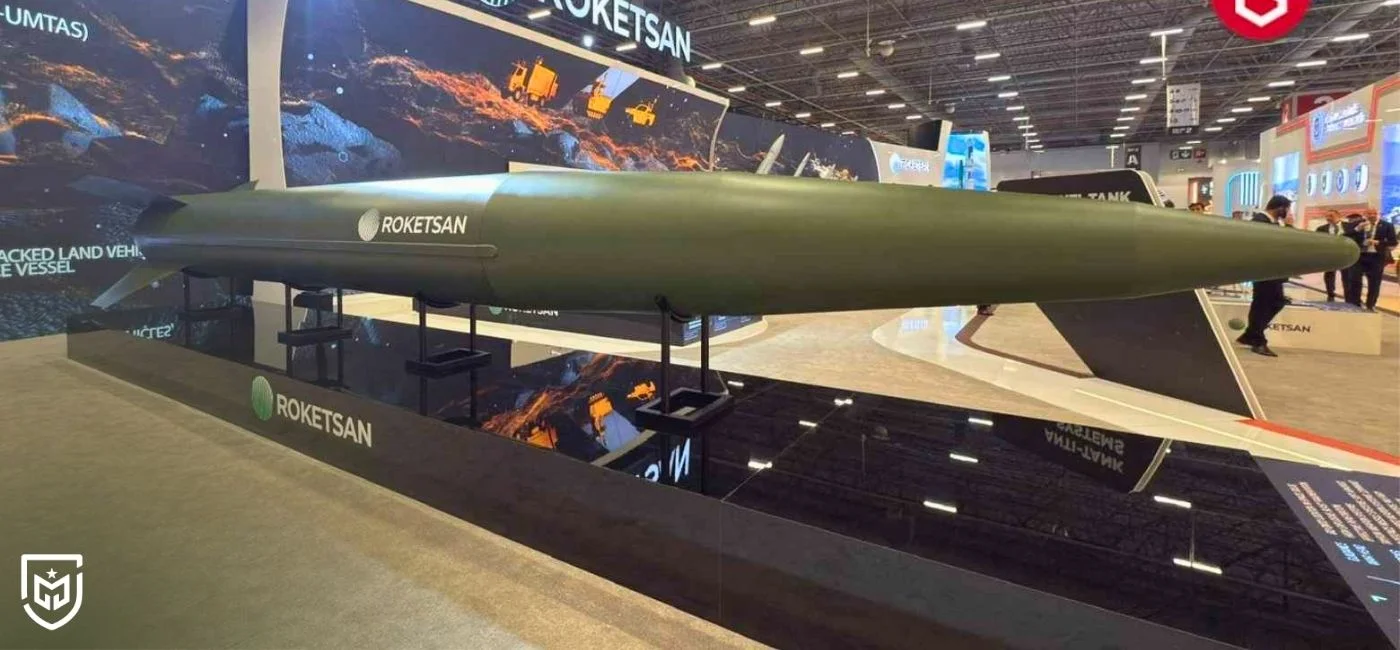
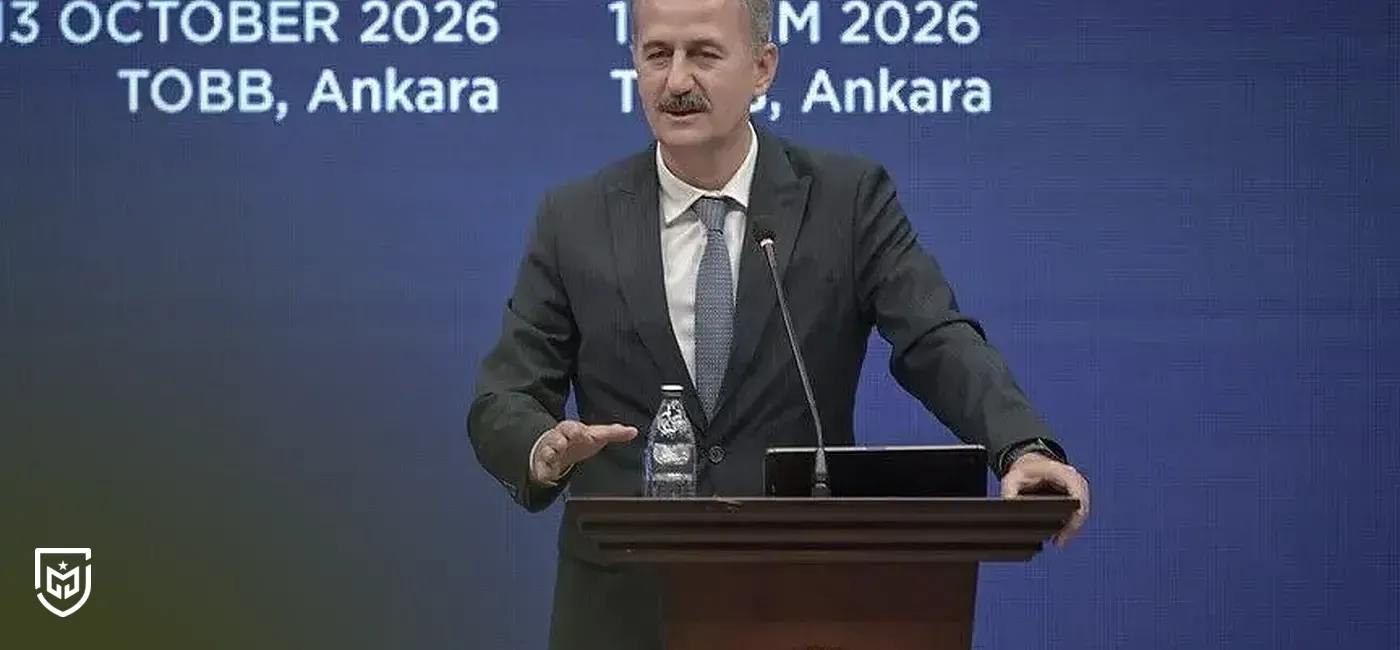
The 5th Military Radar and Border Security Summit, held at Hacettepe University’s Beytepe Congress Center, brought critical insights into the direction of Türkiye’s defense technologies. Roketsan CEO Murat İkinci delivered significant remarks, detailing Türkiye’s progress and technological priorities while emphasizing the strategic importance of the newly introduced TAYFUN Block-4 hypersonic missile system, unveiled at IDEF 2025.
İkinci underlined that Türkiye’s defense industry has reached a level capable of meeting almost all operational platform and system needs of the Turkish Armed Forces. “A nation capable of producing its own missiles, radars and weapons becomes the one that determines its own security destiny,” he stated. He highlighted that TAYFUN Block-4, with speeds exceeding Mach 5, not only strengthens national deterrence but also demonstrates Türkiye’s maturity in high-end defense technologies.
Discussing the technological depth behind hypersonic systems, İkinci noted that advanced propellant formulations, high-power explosives, precision guidance algorithms, signal intelligence capabilities, sensor technologies, fusion systems and nanotechnology-based structural materials are essential components of the program. Due to both open and covert embargoes imposed by Western countries—particularly in missile and rocket technologies—Türkiye has been forced to accelerate domestic development efforts. Roketsan, he said, is both one of the most restricted yet most successful companies in achieving localization.
İkinci also pointed to three dominant technology fields that will shape global defense within the next 10–15 years: artificial intelligence, hypersonic systems and space technologies. He emphasized that without advanced sensors—including laser systems, RF technologies, wave-based systems and infrared detectors—missiles cannot achieve optimal accuracy.
Another major highlight of his address was Türkiye’s multi-layered air defense architecture known as the “Iron Dome of Türkiye” (Çelik Kubbe). This integrated network involves radars, sensors, air platforms, naval assets and missile systems—all connected through AI-supported decision-making modules. These systems can evaluate thousands of radar tracks, threat vectors and engagement options in milliseconds, far beyond human processing capacity. According to İkinci, artificial intelligence is no longer merely a supporting tool but a core element of modern military architecture, acting as the “digital brain” connecting radars, missiles, command centers and even munitions.
His remarks reflect the strategic trajectory of Türkiye’s defense sector and highlight how the TAYFUN Block-4 hypersonic missile is more than a weapon system—it is a symbol of Türkiye’s technological sovereignty and its rapidly expanding capabilities in next-generation defense technologies.


The cookies used on our website are used to provide you with a better user experience and to improve our website. You can manage your cookie preferences from the options below.
 Rabia Kılıç
Post Comment
Comments
No comments yet.
Related News
ÇAKIR Cruise Missile Supply Contract Signed
Drone Shield Showcased at Marksman Competition
Fire Free-2026 Exercise Successfully Completed
ASELSAN KORKUT 25 UAV Countermeasure System Achieves Test Success
MKE TOLGA Laser System Successfully Destroys Drone Target
Germany denies claims of MGCS tank project withdrawal
AKINCI UAV Successfully Tested with MORFOZ Guidance Kit
Greece reaches agreement with US for Stryker armored vehicles